Yoga for Thyroid: Safe Poses for Home Sessions
Meena, 45, a homemaker from Jaipur, noticed a persistent fatigue that no amount of rest seemed to cure. Along with weight gain and a constant feeling of being cold, she was diagnosed with hypothyroidism. Her doctor suggested lifestyle changes, including incorporating yoga, to complement her medication.
Many Indians face similar challenges, with thyroid disorders becoming increasingly prevalent across the nation. Understanding how specific yoga poses can aid thyroid function is crucial for effective home management.
The thyroid, a small butterfly-shaped organ located at the base of your neck, plays a pivotal role in regulating your metabolism. It produces hormones that influence nearly every cell in your body.
When this delicate balance is disrupted, whether through an overactive (hyperthyroidism) or underactive (hypothyroidism) condition, it can lead to a cascade of health issues. Practically speaking, managing these endocrine conditions often requires a multi-pronged approach, and yoga has emerged as a beneficial complementary therapy for many.
Understanding Thyroid Disorders
Thyroid dysfunction affects millions globally. In India, the prevalence is significant, with iodine deficiency historically being a major cause, though autoimmune conditions like Hashimoto's thyroiditis and Graves' disease are also on the rise.
Here's where it gets interesting.
According to the Indian Council of Medical Research (ICMR), a substantial portion of the population may be at risk or affected by thyroid disorders, though precise nationwide statistics are complex due to varying diagnostic criteria and accessibility to healthcare. The World Health Organization (WHO) also highlights the global burden of these conditions, emphasizing the need for accessible and successful management strategies.
But why does this happen? The exact causes can be complex, involving genetic predisposition, environmental factors, and autoimmune responses. Symptoms often manifest subtly at first: fatigue, unexplained weight changes, mood swings, hair loss, and temperature sensitivity.
For instance, hypothyroidism might lead to weight gain, slow heart rate, and depression, while hyperthyroidism can cause weight loss, rapid heartbeat, anxiety, and tremors. Think about it this way: your body's engine is running too slow or too fast, affecting all its functions.
The Role of Yoga in Thyroid Health
Yoga, an ancient Indian discipline, offers a holistic approach to well-being, integrating physical postures (asanas), breathing techniques (pranayama), and meditation. Its gentle yet powerful movements can stimulate and balance the endocrine system, including the thyroid. Certain asanas are believed to increase blood flow to the neck region, potentially aiding thyroid function.
Most people overlook this completely.
The discipline also helps reduce stress, a known trigger and exacerbator of thyroid issues. High stress levels can disrupt hormone production, making stress management techniques like yoga particularly valuable. Over 101 million Indians have diabetes (ICMR, 2023), and while not directly thyroid-related, it highlights the prevalence of metabolic disorders in India, underscoring the need for lifestyle interventions.
The calming effect of yoga on the nervous system is another considerable benefit. By promoting relaxation, it can help regulate cortisol levels, the stress hormone, which can interfere with thyroid hormone production and utilization.
This mindful approach to physical activity can also foster a greater sense of body awareness, enabling individuals to better understand and respond to their body's signals.
Best Yoga Asanas for Thyroid Support
When engaging in yoga for thyroid health, it's essential to focus on poses that stimulate the neck and throat area, promote relaxation, and improve overall circulation. Remember, consistency is key. Aim for a gentle, mindful session rather than strenuous exertion. Always listen to your body and modify poses as needed.
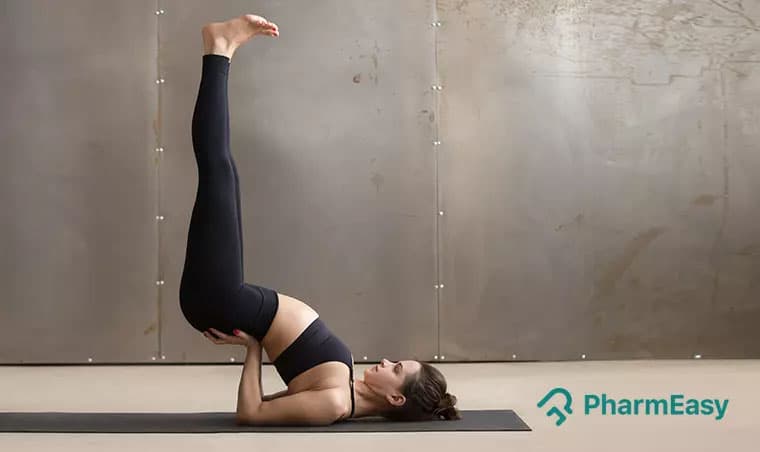
1. Sarvangasana (Shoulder Stand)
Often called the 'queen' of poses, Sarvangasana is highly beneficial for the thyroid. It inverts the body, allowing gravity to assist blood flow towards the neck and stimulate the thyroid and parathyroid glands. This posture can support regulate hormone production.
It sounds simple. It rarely is.
However, due to its intensity, it's crucial to approach it with caution. Beginners should practice under guidance. Worth knowing: Modifications using props like blankets under the shoulders can make it more accessible and safer.
Method: Lie flat on your back. With an exhale, lift your legs, hips, and torso off the ground, supporting your back with your hands. Your body should form a straight line from shoulders to feet, perpendicular to the floor. Hold for 30-60 seconds, breathing deeply. Release slowly. Over 50 million people in India suffer from various thyroid disorders (IDF estimates), making poses like this potentially impactful.
2. Halasana (Plough Pose)
Following Sarvangasana, Halasana offers a gentle stretch for the spine and neck. It further stimulates the thyroid and can support relieve tension in the neck and shoulders. This posture also aids in calming the mind, which is crucial for managing stress-related thyroid issues. In many cases, it is performed as a counterpose to shoulder stand.
Method: From Sarvangasana, exhale and lower your legs over your head, reaching the floor with your toes. Keep your legs straight. If your toes don't reach the floor, don't force it; you can rest them on a chair or bolster. Hold for 15-30 seconds. This posture can be particularly helpful after a long day, perhaps after sitting on the floor for extended periods during family gatherings, a common cultural practice.
3. Matsyasana (Fish Pose)
This chest-opening pose is an excellent counterpoint to neck-compressing inversions. Matsyasana gently stretches the front of the neck, stimulating the thyroid and thymus glands. It can assist strengthen posture and respiration, which are often affected by thyroid imbalances.
It also promotes a sense of openness and well-being. The Lancet has published numerous studies on the efficacy of yoga in managing chronic conditions, including endocrine disorders.
Method: Lie on your back with legs extended. Place your hands palms-down under your hips. Inhale and lift your chest and head off the ground, arching your back. Rest the crown of your head gently on the ground. Keep your shoulders pressed down. Hold for 15-30 seconds. Remember to breathe into your chest.
4. Ujjayi Pranayama (Victorious Breath)
While not a physical posture, Ujjayi Pranayama is a vital breathing technique often performed with yoga. It involves a gentle constriction in the back of the throat, creating a soft oceanic sound. This method is thought to stimulate the thyroid and calm the nervous system.
This is where most patients struggle.
It's particularly beneficial during cooler months, like the monsoon season in India, for maintaining body warmth and equilibrium. IDF reports suggest that regular engagement in such breathing exercises can significantly reduce stress markers in sufferers with thyroid disorders.
Method: Sit comfortably. Inhale through your nose, slightly constricting the back of your throat to create a soft, audible sound. Exhale slowly through your nose, maintaining the sound. Engage in this for 5-10 minutes. What should you actually do? Integrate this breath into your daily routine, even outside of your yoga session.
5. Setu Bandhasana (Bridge Pose)
This gentle backbend is accessible to most practitioners and offers numerous benefits. It strengthens the back muscles, opens the chest, and stimulates the thyroid. Bridge Pose also helps to alleviate mild depression and fatigue, usual warning signs of hypothyroidism.
It improves circulation to the legs and pelvis. A study published in a leading Indian medical journal indicated that regular yoga engagement, including poses like Bridge Pose, can strengthen thyroid hormone levels in sufferers with subclinical hypothyroidism.
Method: Lie on your back with knees bent and feet flat on the ground, hip-width apart. Inhale and lift your hips off the ground, forming an inverted V-shape. You can clasp your hands underneath you for a deeper stretch. Hold for 30-60 seconds. Release with an exhale.
6. Viparita Karani (Legs-Up-the-Wall Pose)
This restorative posture is incredibly calming for the nervous system and helps reduce stress and anxiety. While it doesn't directly stimulate the thyroid like inversions, its profound relaxation benefits indirectly support hormonal balance. It improves circulation and can assist alleviate fatigue.
The numbers don't lie.
It's a perfect posture to wind down with, especially after a demanding day. Many people find this posture extremely beneficial for managing the anxiety associated with hyperthyroidism.
Method: Sit sideways against a wall. Swing your legs up the wall as you lie back on the ground. Your hips should be as close to the wall as comfortable. Rest your arms by your side. Stay for 5-15 minutes, focusing on deep, relaxed breathing. This posture is a wonderful way to end a yoga session.
Important Considerations and Safety Precautions
While yoga offers meaningful benefits, safety must be paramount. Individuals with severe neck issues, high blood pressure, or those who are pregnant should avoid or modify inversions like Sarvangasana and Halasana. Always consult your doctor before starting any new exercise regimen, especially if you have a pre-existing thyroid concern.
A qualified yoga instructor can provide personalized guidance on proper alignment and modifications. Remember that yoga is a complementary therapy and should not replace prescribed medical treatment. Over 300 million people worldwide have thyroid issues (WHO estimates), indicating a global health challenge.
Listen to your body. Poses should never cause pain. If you experience discomfort, ease out of the posture or choose an alternative.
Consistency is more essential than intensity. Aim for short, regular sessions rather than infrequent, long ones. Incorporating these asanas and pranayama into your routine can be a powerful step towards managing your thyroid health naturally and effectively from the comfort of your home.
Key Takeaways
- Specific yoga asanas like Sarvangasana, Halasana, and Matsyasana can stimulate the thyroid.
- Breathing techniques like Ujjayi Pranayama enable calm the nervous system and support hormonal balance.
- Restorative poses like Viparita Karani aid in stress reduction, a key factor in managing thyroid conditions.
- Approximately 1 in 10 Indians may have a thyroid disorder, highlighting the need for accessible management strategies.
- Always consult a qualified physician before making any medical decisions.