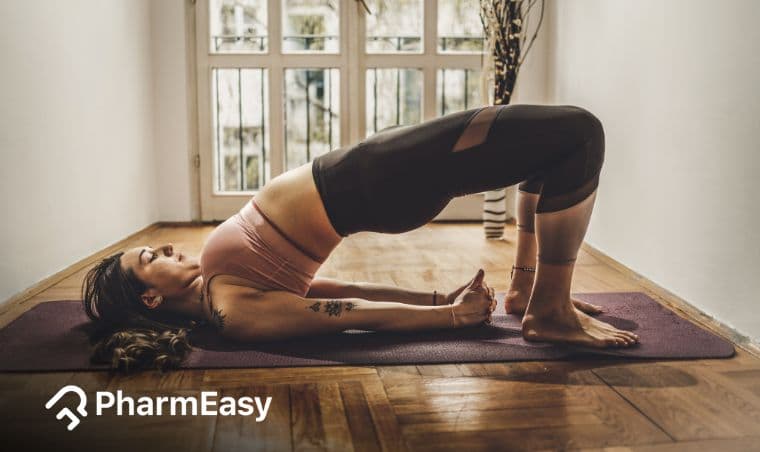
Kandharasana: A Beacon of Relief for Your Shoulders and Spine
Meena, 45, a homemaker from Jaipur, noticed persistent stiffness in her neck and shoulders. The daily chores, coupled with long hours spent sitting at her computer for online classes, had taken a toll. She often felt a dull ache radiating down her arms, impacting her sleep and overall mood. Sound familiar?
Many individuals in India, especially those with desk-bound professions or who engage in repetitive physical activities, experience similar discomfort. The reality is, our modern lifestyles often contribute to postural issues and chronic pain, particularly in the neck and shoulder region. Have you ever wondered why? The intricate network of muscles and nerves in this area bears a significant load, and without proper care, it can become a source of persistent discomfort.
Dr. Ankit Sankhe, a seasoned yoga exponent and Ayurveda practitioner, highlights the profound benefits of Kandharasana, often translated as the Shoulder Pose or Bridge Pose variation. This asana is more than just a physical posture; it's a gateway to improved spinal health, mental tranquility, and enhanced overall well-being.
Think about it this way: your spine is the central pillar of your body, and its well-being directly influences every other system. Neglecting it can lead to a cascade of problems, from back pain to reduced mobility.
Recovery is rarely linear.
The Multifaceted Benefits of Mastering Kandharasana
1. Spinal Health and Flexibility
Kandharasana is a powerful pose for strengthening the entire spinal column. It gently stretches the chest, neck, and spine, promoting better alignment and flexibility. For individuals experiencing mild to moderate back pain, this asana can offer major relief. The pose actively engages the muscles supporting the spine, improving their tone and endurance. Studies published in journals like The Lancet have repeatedly shown the efficacy of regular yoga practice in managing chronic low back pain, with an estimated 60-80% of adults experiencing it at some point in their lives (WHO data). Kandharasana specifically targets the lumbar and thoracic regions, easing tension that accumulates from prolonged sitting or standing.
2. Stress and Anxiety Reduction
Honestly, in today's fast-paced world, stress and anxiety have become almost ubiquitous. Kandharasana, with its gentle inversion and chest-opening nature, acts as a potent stress reliever. The pose encourages deeper breathing, which directly calms the nervous system. It helps to release pent-up tension in the shoulders and neck – common areas where we physically store stress.
A study from the Indian Journal of Psychiatry indicated that yoga interventions can significantly reduce symptoms of anxiety and depression in adults. The rhythmic movement and focus required also cultivate mindfulness, drawing your attention away from worrisome thoughts and grounding you in the present moment. This mindful engagement is crucial for mental rejuvenation.
3. Improved Posture and Core Strength
Poor posture is a silent epidemic, contributing to everything from neck pain to digestive issues. Kandharasana directly combats this by strengthening the core muscles – the abdominals, back, and pelvic floor – which are essential for maintaining an upright and balanced posture. What most people miss: the importance of these supporting muscles for everyday activities.
By lifting the torso and engaging the glutes and hamstrings, the pose encourages the natural curvature of the spine, counteracting the forward-slouching tendency prevalent in many individuals. Practicing this pose regularly can lead to noticeable improvements in how you carry yourself.
Recovery is rarely linear.
4. Enhanced Respiratory Function
The expansive nature of Kandharasana opens up the chest cavity, allowing for deeper and more efficient breathing. This increased lung capacity can be particularly beneficial for individuals with respiratory concerns or those looking to improve their stamina for physical activities.
The chest expansion helps to alleviate tightness often experienced by asthmatics or individuals suffering from seasonal allergies, which are widespread during India's monsoon season. Improved oxygen intake rejuvenates the body and mind, contributing to overall vitality.
5. Digestive Health and Thyroid Function
The gentle compression in the abdominal region during Kandharasana can stimulate the digestive organs, potentially aiding in better digestion and alleviating issues like constipation. On top of that,, the pose's effect on the neck area may help in stimulating the thyroid gland.
While not a primary treatment, improved circulation to the neck region is generally considered beneficial for endocrine health. The International Diabetes Federation (IDF) has noted the link between sedentary lifestyles, obesity, and metabolic disorders, underscoring the importance of physical activity like yoga for overall well-being management.
That's the part worth remembering.
6. A Boon for Women's Health
Kandharasana is often recommended for women, particularly during menstruation, as it can assist alleviate menstrual discomfort and cramps. The gentle inversion and pelvic lift can also be beneficial for reproductive health.
It's a pose that promotes a sense of grounding and inner strength, qualities highly valued during different phases of a woman's life. The IDF also highlights the rising incidence of lifestyle diseases among women in India, making holistic practices like yoga even more critical.
How to Perform Kandharasana Safely: A Step-by-Step Guide
While the benefits are numerous, it's crucial to perform Kandharasana correctly to avoid injury. Dr. Sankhe emphasizes precision and mindful execution.
Preparation
Begin by lying down on your back in a supine position. Ensure your mat provides adequate cushioning.
You might want to practice this pose on a slightly firmer surface if you have meaningful back issues, but always start gently. Have a clean, quiet space where you can focus without distractions – perhaps a corner of your living room after the morning rush or before the evening meal.
Step 1: Body Alignment
Bend your knees and place your feet flat on the floor, hip-width apart. Your feet should be parallel, and your ankles should be directly beneath your knees. Your arms should rest alongside your body, palms facing down. Take a few deep breaths here, feeling the connection of your entire back and feet to the floor.
The numbers don't lie.
Step 2: Lifting the Torso
As you exhale, slowly lift your hips and lower back off the floor. Press your feet firmly into the mat, engaging your glutes and hamstrings. Keep your neck long and relaxed, avoiding any strain.
Imagine creating a straight line from your knees to your shoulders. But why does this happen? This gradual lift ensures that the primary engagement comes from the posterior chain muscles, not from jerking movements.
3. Arm Placement and Support
There are variations for arm placement. You can keep your arms alongside your body, palms down. Alternatively, you can interlace your fingers beneath your hips and gently push your arms into the floor, helping to lift your chest further towards the ceiling.
Another option is to place your hands or palms flat on the floor on either side of your head, fingers pointing towards your shoulders, and then press into your hands to lift your head and chest into a more intense backbend (this is closer to Urdhva Dhanurasana or Wheel Pose and requires more flexibility and caution). For standard Kandharasana, focusing on lifting the hips and chest is key.
4. Holding the Pose
Hold Kandharasana for 5-10 deep breaths, focusing on steady, even breaths. Feel the stretch in your chest and the engagement in your back muscles. If you feel any sharp pain, ease out of the pose immediately.
Most people overlook this completely.
The pose should feel like a gentle opening, not a strain. Think about the sensation of stretching your spine upwards and your chest outwards.
5. Releasing the Pose
To release, gently lower your torso back to the floor, vertebra by vertebra, as you exhale. Bring your knees towards your chest and give them a gentle hug, a frequent practice in yoga to relax the lower back after an inversion or backbend. This counter-pose helps to release any residual tension.
Modifications and Precautions
Individuals with neck injuries, high blood pressure, or severe back problems should exercise extreme caution or avoid Kandharasana altogether. Always listen to your body. If you are a beginner, it's advisable to practice under the guidance of a qualified yoga instructor.
They can enable you with proper alignment and suggest modifications. For instance, placing a block under your sacrum can provide support if you find it difficult to lift your hips high enough initially.
The practice of yoga, rooted deeply in Indian traditions, offers a holistic approach to well-being. Kandharasana, as part of this ancient wisdom, provides tangible physical and mental benefits. It's a testament to how simple, mindful movements can profoundly impact our well-being.
Most people overlook this completely.
The ICMR (Indian Council of Medical Research) has increasingly emphasized preventive healthcare, and yoga is a cornerstone of such initiatives. Over 101 million Indians have diabetes (ICMR, 2023), highlighting the critical need for lifestyle interventions that yoga effectively addresses.
Key Takeaways
- Kandharasana strengthens the spine and improves posture.
- The pose is effective in reducing stress and anxiety.
- It enhances respiratory function and chest flexibility.
- Regular practice can aid digestion and potentially support thyroid function.
- Always perform Kandharasana with proper alignment and caution.
Always consult a qualified physician before making any medical decisions.