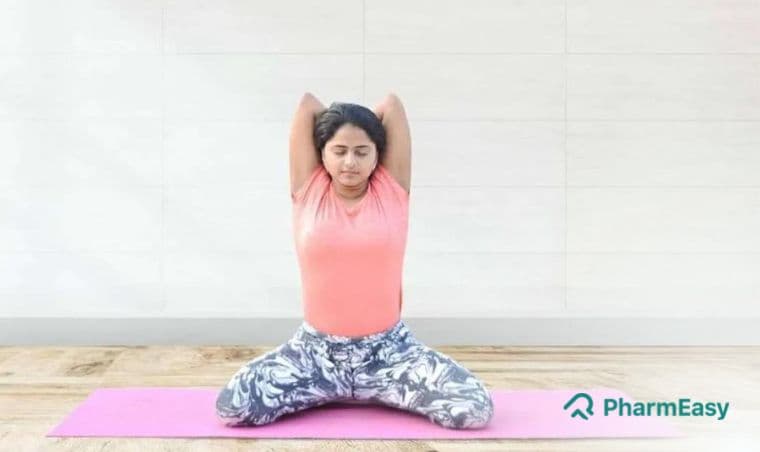
Extended Frog Pose: A Gateway to Enhanced Well-being
Meena, 45, a homemaker from Jaipur, noticed persistent acidity and a feeling of heaviness after meals, especially during the monsoon season when her diet often included richer, traditional dishes. She also experienced stiffness in her hips, a common complaint among women who spend significant time sitting on the floor for household chores and religious practices.
Seeking a natural remedy, she turned to yoga, and her instructor introduced her to Extended Frog Pose, also known as Uttana Mandukasana. This ancient asana, with its roots deeply embedded in Indian wellness traditions, offers a remarkable array of physical and mental advantages.
Have you ever wondered why certain postures feel so inherently grounding and restorative? Extended Frog Pose is one such posture that, when practiced consistently, can profoundly impact your digestive function, hip mobility, and even your mental clarity.
It's a posture that encourages a gentle yet effective stretch, particularly beneficial for the abdominal organs and the hip joints. In India, where many traditional lifestyles involve prolonged sitting or squatting, maintaining good hip suppleness is crucial, and this asana can be a powerful ally in that regard.
Here's where it gets interesting.
The Multifaceted Benefits of Extended Frog Pose
Practicing Extended Frog Pose regularly yields a surprising number of wellness benefits. It's not just about physical suppleness; the posture has systemic effects that contribute to overall vitality.
Worth knowing: The gentle compression and stretching of the abdominal area can stimulate the digestive fire, known as 'Agni' in Ayurveda, leading to improved digestion and nutrient assimilation. This is particularly relevant in India, where dietary habits can vary significantly across regions and seasons, sometimes leading to digestive discomfort.
Improved Digestion and Gut Health
The posture applies a mild pressure to the abdomen, which is believed to stimulate the digestive organs, including the stomach, intestines, and liver. This stimulation can help in relieving issues like indigestion, bloating, and constipation.
Studies, though often qualitative in yoga research, suggest that postures that gently massage the abdominal viscera can enhance peristalsis—the wave-like muscle contractions that move food through the digestive tract. Over 101 million Indians have diabetes (ICMR, 2023), a condition often linked to metabolic health and inflammation, which can be indirectly supported by improved gut function.
Enhanced Hip and Groin Suppleness
Extended Frog Pose is a powerful hip opener. It stretches the adductor muscles (inner thighs), hip flexors, and groin area. This increased suppleness can be immensely helpful for individuals who spend a lot of time sitting, whether at a desk or on the floor.
It sounds simple. It rarely is.
For women, particularly those who have gone through childbirth, improved hip mobility can aid in postpartum recovery, easing stiffness and discomfort. In India, floor sitting is usual, making hip suppleness a functional necessity for daily life.
Stress Reduction and Mental Calm
Like many yoga postures, Extended Frog Pose encourages mindful breathing and body awareness. The focus required to maintain the posture, combined with deep, diaphragmatic breaths, helps to calm the nervous system. This can lead to a considerable reduction in stress and anxiety levels.
A report by the World Health Organization (WHO) highlights the growing global burden of mental health conditions, and practices like yoga offer accessible, non-pharmacological interventions. In many cases, the simple act of focusing inward during a posture can be profoundly therapeutic.
Potential Relief from Sciatica and Lower Back Pain
By opening the hips and stretching the piriformis muscle (located deep in the buttock), this asana can sometimes alleviate sciatic nerve pain. It can enable strengthen the lower back muscles and improve posture, potentially reducing chronic lower back discomfort.
That alone changes everything.
While not a cure-all, it can be a valuable component of a holistic approach to managing back pain, which affects a meaningful portion of the adult population globally.
Strengthening Pelvic Floor Muscles
The posture, with its specific engagement of the pelvic region, can contribute to the strengthening of the pelvic floor muscles. This is beneficial for both men and women, particularly in supporting bladder control and sexual health.
For women, a strong pelvic floor is crucial during and after pregnancy. Research published in journals like The Lancet has underscored the importance of pelvic floor health across the lifespan.
How to Perform Extended Frog Pose Safely
Proper technique is paramount to reaping the benefits and avoiding injury. Here's a step-by-step guide, as recommended by yoga practitioners and instructors like Dr. Himani Bisht:
Preparation: Starting on Your Hands and Knees
Begin on your hands and knees in a tabletop position. Ensure your wrists are directly under your shoulders and your knees are directly under your hips. Your shins and the tops of your feet should rest comfortably on the mat.
Widening the Stance
Slowly begin to widen your knees apart, keeping them in line with your hips. The distance between your knees should be comfortable – not so wide that you feel strain, but wide enough to allow for a deep stretch. For many, this might be wider than hip-width.
Bringing the Ankles Back
Gently slide your feet backward so that your inner ankles are in line with your outer knees. The tops of your feet should remain flat on the floor, or you can tuck your toes under for a slightly different sensation, though the classic pose keeps the tops of the feet down.
Here's where it gets interesting.
Listening to your body is key. If this position causes discomfort in your ankles or knees, you can place a rolled blanket or towel under your ankles for cushioning.
Lowering Down
Keeping your core engaged and your back relatively straight (avoid arching or excessively rounding), slowly lower your torso down towards the floor. You can rest your forearms on the mat, with your elbows directly under your shoulders.
This is the Extended Frog Pose. Some practitioners may find it more comfortable to rest their forehead on stacked fists or a yoga block.
Holding the Pose
Breathe deeply and hold the pose for 5-10 breaths, or longer if comfortable. Focus on the sensations in your hips and groin. Allow your breath to deepen the stretch. Relax into the pose as much as your body allows, without forcing any part of the stretch. Feel the gentle expansion and release in your hip joints.
Coming Out of the Pose
To release the pose, gently press yourself back up onto your hands and knees. Bring your knees back together slowly and carefully. You might want to sit back on your heels for a moment, perhaps coming into Balasana (Child's Pose) to release any residual tension.
Modifications and Precautions
Extended Frog Pose can be intense, especially for those with tight hips or knee issues. Practicing mindful modifications ensures safety and accessibility.
For Knee Sensitivity
If you have sensitive knees, place thick padding — like folded blankets or yoga mats — under your knees and shins. You can also limit the distance you widen your knees.
For Ankle Discomfort
As mentioned, rolling up a blanket and placing it under your ankles can provide much-needed support and cushioning. If ankle pain persists, this posture might not be suitable for you at this time.
For Limited Hip Suppleness
Don't force the widest stance immediately. Gradually increase the distance between your knees over time as your suppleness improves. Focus on maintaining good alignment rather than achieving a very wide frog position.
This is where most patients struggle.
When to Avoid Extended Frog Pose
Individuals with acute knee injuries, hip injuries, or severe lower back pain should exercise caution. If you experience any sharp pain during the practice, immediately come out of the posture.
Practically speaking, if you have a history of joint issues, it's always wise to consult with a healthcare professional or an experienced yoga therapist before attempting this asana.
Integrating Extended Frog Pose into Your Routine
This posture can be incorporated into various yoga sequences. It's often found in Hatha yoga, Yin yoga, and therapeutic yoga classes. It can be practiced as part of a warm-up for deeper hip openers or as a standalone posture for its digestive benefits.
For instance, a sequence might include gentle twists, cat-cow stretches, followed by Extended Frog Pose, and concluding with restorative postures. The IDF (International Diabetes Federation) notes that lifestyle modifications are key in managing diabetes, and incorporating yoga can be a positive step. Aim to practice it 3-4 times a week for noticeable results.
The consistency of practice, even for short durations, is more impactful than infrequent, prolonged sessions. Remember that yoga is a journey of self-discovery and patience.
Meena, after practicing Extended Frog Pose for a few weeks, reported a major reduction in her acidity and a noticeable ease in her hip stiffness. She found that the posture, when done mindfully, also helped her feel more centered and less overwhelmed by daily chores.
Key Takeaways
- Extended Frog Pose significantly improves hip and groin suppleness, beneficial for daily activities like floor sitting.
- The posture stimulates abdominal organs, aiding digestion and potentially alleviating issues like bloating and constipation.
- Regular practice contributes to stress reduction and mental calmness by promoting mindful breathing and body awareness.
- Modifications are available for knee and ankle sensitivity, making the posture accessible with proper precautions.
- At least 10% of the Indian population suffers from chronic digestive issues (based on general prevalence studies), making postures that aid digestion highly relevant.
Always consult a qualified physician before making any medical decisions.