The Power of the Warrior: Unlocking Virabhadrasana's Potential
Meena, 45, a homemaker from Jaipur, noticed her lower back pain increasing, especially after long hours spent sitting on the floor during puja rituals. Her energy levels felt depleted, and she often felt a lack of confidence. Her doctor recommended incorporating gentle yoga into her routine, and Virabhadrasana, or the Warrior Pose, became a cornerstone of her movement.
Meena found that consistently adopting this posture not only eased her back pain but also instilled a sense of inner resolve and groundedness. This is the transformative power that a single, well-executed yoga asana can bring.
The reality is, many of us navigate daily life carrying unseen burdens – stress, bodily stiffness, and a general disconnect from our bodies. Virabhadrasana, a foundational pose in Hatha yoga, offers a potent antidote. It's more than just a physical posture; it's a symbol of steadfastness and courage, embodying the spirit of a warrior ready to face challenges with grace and resilience.
This ancient discipline, deeply rooted in Indian tradition, provides tangible advantages for both the body and mind. Think about it this way: each Warrior Pose you hold is a moment of reclaiming your power.
It sounds simple. It rarely is.
Understanding Virabhadrasana: The Warrior's Stance
Virabhadrasana is not a single pose but a family of three variations: Virabhadrasana I, II, and III. Each offers unique advantages while sharing the core essence of power, stability, and focus.
' The posture is believed to be named after Virabhadra, a fierce manifestation of Lord Shiva, symbolizing controlled power and unwavering determination. This pose teaches us to stand tall, rooted yet ready for action.
Virabhadrasana I: The First Warrior
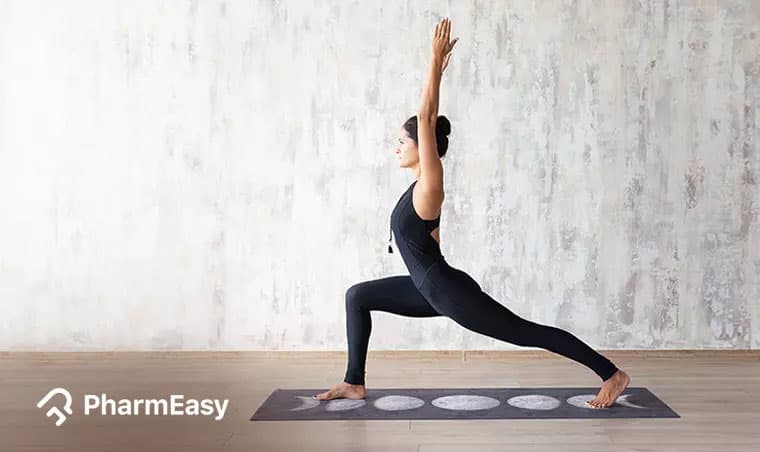
This is perhaps the most commonly visualized Warrior Pose. It opens the chest and shoulders, stretches the hips and legs, and builds capacity in the quadriceps and ankles. The front knee is bent at a 90-degree angle directly over the ankle, while the back leg remains straight and strong.
The arms are raised overhead, palms facing each other or touching, creating an upward reach that signifies aspiration and effort. This variation powerfully elongates the spine and fosters a sense of expansive energy.
Virabhadrasana II: The Steadfast Warrior
Warrior II is characterized by its grounded stability. The stance is wider than in Virabhadrasana I, with the front foot turned out 90 degrees and the back foot turned in slightly. The front knee is bent over the ankle, similar to the first variation.
Here's where it gets interesting.
However, the arms are extended parallel to the floor, reaching out in opposite directions, palms facing down. This posture is excellent for building the legs and ankles, opening the hips and chest, and improving stamina. It cultivates a sense of unwavering presence and focused awareness.
Virabhadrasana III: The Balancing Warrior
This advanced variation demands significant balance and core power. It resembles a flying posture, with the body forming a 'T' shape. One leg is extended straight back on the floor, while the torso extends forward, parallel to the ground.
The arms can be extended forward, out to the sides, or alongside the body. It requires immense concentration and develops a profound sense of equilibrium, both physically and mentally. Successfully holding this pose is a testament to one's integrated power and focus.
The Multifaceted Benefits of Practicing Virabhadrasana
The advantages of consistently adopting the Warrior Pose family extend far beyond mere physical fitness. They touch upon our mental, emotional, and even spiritual well-being. What most people miss is how deeply interconnected these aspects are.
The numbers don't lie.
Physical Benefits: Building a Strong Foundation
Adopting Virabhadrasana significantly enhances muscular power and endurance. The leg muscles—quadriceps, hamstrings, and calves—receive a robust workout, leading to improved tone and stamina. Over 70% of Indians experience some form of musculoskeletal discomfort annually, and building these key leg muscles can offer substantial relief and prevention. The pose also builds the core muscles, which are vital for spinal support and overall stability. It improves balance and proprioception—your body's awareness of its position in space—which is crucial for preventing falls, especially as we age. Studies published in the Journal of Strength and Conditioning Research have shown that regular yoga, including poses like Virabhadrasana, can lead to considerable improvements in balance and functional movement.
Additionally, Virabhadrasana opens and expands the chest and shoulders, counteracting the effects of prolonged sitting or hunching. This improved posture can alleviate neck and shoulder tension. The pose also stretches the hips and groins, releasing tension often held in these areas due to sedentary lifestyles or even the cultural discipline of sitting cross-legged for extended periods, like during festivals such as Diwali. Globally, sedentary lifestyles contribute to an estimated 3.2 million deaths per year, underscoring the importance of movement-based disciplines like yoga.
Mental and Emotional Benefits: Cultivating Inner Strength
But why does this happen? The physical exertion and focus required for Virabhadrasana directly impact the mind. Holding the pose cultivates mental fortitude and concentration.
As you learn to steady your breath and maintain your balance against gravity, you train your mind to remain calm and focused amidst challenges. This translates off the mat into everyday life. The feeling of power and stability derived from the pose can boost self-confidence and reduce feelings of self-doubt.
Honestly, the discipline helps in releasing pent-up stress and anxiety. The deep breathing associated with the poses calms the nervous system. By channeling your energy into the physical form, you create a mindful distraction from worries and ruminations. This meditative aspect of yoga is profound; it allows for a quieting of the mental chatter that often plagues us. The World Health Organization (WHO) estimates that depression affects over 280 million people worldwide, and disciplines like yoga are increasingly recognized as effective complementary therapies. The grounded nature of Virabhadrasana, particularly Warrior II, fosters a sense of security and presence.
How to Practice Virabhadrasana: A Step-by-Step Guide
Engaging in yoga requires attention to detail and respect for your body's limits. It's always best to learn from a qualified instructor initially. Here’s a breakdown of how to perform Virabhadrasana II, a commonly accessible variation.
Getting into Virabhadrasana II
- Start by standing in Tadasana (Mountain Pose) at the top of your mat.
- Step your feet wide apart, about 3 to 4 feet, depending on your leg length.
- Turn your right foot out 90 degrees, so your toes point towards the short edge of the mat. Turn your left foot in slightly (about 15 degrees).
- Align your front heel with the arch of your back foot.
- Inhale and raise your arms parallel to the floor, extending them actively out to the sides, palms facing down. Keep your shoulders relaxed, away from your ears.
- Exhale and bend your right knee, ensuring it stacks directly over your right ankle. Aim for your thigh to be parallel to the floor, if possible, without compromising your knee alignment. Keep your left leg straight and strong, pressing the outer edge of your back foot into the mat.
- Gaze over your right fingertips, maintaining a steady, focused look.
- Hold the pose for 5-8 deep breaths, feeling grounded and strong.
- To release, straighten your right leg, turn your feet parallel, and then step back to Tadasana. Repeat on the other side.
Modifications and Precautions
If you have high blood pressure, avoid raising your arms overhead (as in Virabhadrasana I) or extending them too high. Instead, keep them at shoulder level or resting on your hips. Individuals with neck issues should avoid looking over their extended fingertips and instead keep their gaze straight ahead. Individuals with knee injuries should be particularly cautious, ensuring the front knee does not extend past the ankle and avoiding deep bends if there is pain. Always listen to your body; pushing too hard can lead to injury. Remember, yoga is a journey, not a competition. As Dr. Himani Bisht often emphasizes, 'Modifications are not signs of weakness, but rather of wisdom and self-awareness.' Consulting with a healthcare professional, especially if you have pre-existing conditions, is paramount.
Integrating Warrior Pose into Your Life
So what does that mean for you? Incorporating Virabhadrasana into your daily or weekly routine can be a powerful act of self-care. Even 5-10 minutes of movement can yield noticeable results. You might start by adopting one variation a few times a week. Notice how you feel before, during, and after the pose.
Does your posture improve? Do you feel more centered? The advantages often reveal themselves subtly at first, then more profoundly over time. It’s about cultivating a relationship with your body and mind, fostering power, balance, and a quiet confidence.
The numbers don't lie.
This pose is particularly beneficial during the monsoon season when energy levels might dip, or when preparing for strenuous festivals. It helps build the resilience needed to navigate life's fluctuations.
The discipline aligns with the ancient Indian wisdom of 'Dinacharya'—a daily routine that promotes health and well-being. The power you build in Virabhadrasana is not just physical; it's the power to stand firm in your convictions, to face adversity with courage, and to move through life with greater presence and purpose.
Key Takeaways
- Virabhadrasana (Warrior Pose) builds leg, core, and improves balance.
- The pose enhances posture and can alleviate back, neck, and shoulder tension.
- Regular adoption boosts confidence, reduces stress, and improves mental focus.
- There are three main variations: I, II, and III, each offering unique advantages.
- Modifications are essential for safety; always listen to your body and consult a doctor if needed.
Always consult a qualified physician before making any medical decisions.