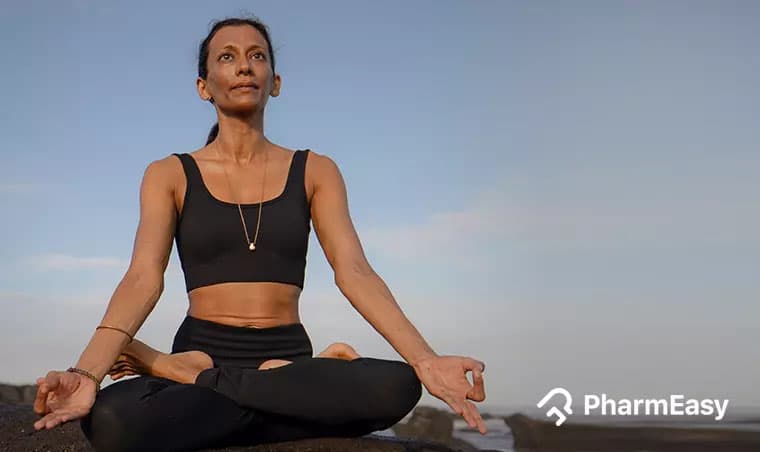
Shambhavi Mudra: A Gateway to Enhanced Awareness and Well-being
Meena, 45, a homemaker from Jaipur, noticed her days were a blur of endless chores and mounting pressure. Her concentration wavered, and a persistent feeling of unease clouded her mind. Like many in India, especially during the monsoon season when outdoor activities are curtailed and indoor routines can become monotonous, Meena sought a way to find inner calm and sharpen her attention.
She turned to yoga, specifically exploring techniques that could be done in the quiet of her home. Her search led her to Shambhavi Mudra, a potent yogic method often referred to as the 'Eyebrow Centre Gazing Pose'.
The reality is, modern life bombards us with distractions. From constant digital notifications to the pressures of daily responsibilities, our attention is perpetually fragmented. This chronic lack of focus can lead to decreased productivity, increased anxiety, and a general sense of being overwhelmed.
But why does this happen? Our minds are constantly pulled in multiple directions, making it difficult to anchor ourselves in the present moment. Shambhavi Mudra offers a potent antidote to this pervasive mental scatter.
That alone changes everything.
Shambhavi Mudra, a key technique within Hatha Yoga, is not merely an eye exercise; it's a sophisticated yogic method designed to calm the mind, improve concentration, and awaken the 'third eye' chakra, believed to be the centre of intuition and inner wisdom. Dr.
Ankit Sankhe, a respected proponent of traditional yogic sciences, explains that this mudra involves a specific gaze directed towards the point between the eyebrows, while simultaneously engaging in breath awareness and a calm, meditative state. The benefits extend far beyond simple relaxation.
The Profound Benefits of Engaging in Shambhavi Mudra
Engaging in Shambhavi Mudra regularly can yield a remarkable array of physical, mental, and spiritual advantages. It’s a technique accessible to most, requiring no special equipment, only a quiet space and a willingness to engage. What most people miss is the profound interconnectedness of the mind and body that these ancient techniques tap into.
Mental Clarity and Enhanced Focus
The primary effect of Shambhavi Mudra is the significant improvement in concentration and mental clarity. By directing the gaze to the eyebrow centre (often called the Ajna chakra or the 'third eye'), the mind is trained to become still and unwavering. This method actively combats mental chatter and distractibility. Studies have shown that regular meditation and yogic techniques, including mudras, can lead to measurable changes in brain structure and function, particularly in areas related to attention and emotional regulation. For instance, research published in journals like The Lancet has highlighted how mindfulness-based interventions can strengthen cognitive performance, with improvements often seen in tasks requiring sustained attention.
Stress Reduction and Emotional Regulation
Honestly, the pressures of life can feel relentless. Shambhavi Mudra acts as a powerful stress reliever. The sustained attention required helps to down-regulate the sympathetic nervous system (the 'fight or flight' response) and activate the parasympathetic nervous system (the 'rest and digest' response).
That alone changes everything.
This shift promotes a state of deep relaxation, reducing levels of cortisol, the stress hormone. Participants in yoga programs often report a marked decrease in symptoms of anxiety and depression. The International Diabetes Federation (IDF) has even noted links between chronic stress and the exacerbation of metabolic conditions, underscoring the importance of stress management techniques like Shambhavi Mudra.
Improved Sleep Quality
A racing mind is often the culprit behind sleepless nights. By calming the mental turbulence, Shambhavi Mudra prepares the mind and body for restful sleep.
Many individuals who struggle with insomnia find that incorporating this technique into their evening routine helps them fall asleep faster and experience deeper, more restorative sleep. Poor sleep, affecting an estimated 30-40% of the adult population globally, has cascading negative effects on health, and addressing the root cause of mental restlessness is key.
Enhanced Intuition and Self-Awareness
The Ajna chakra, or third eye, is traditionally considered the seat of intuition, insight, and higher consciousness. Regular engagement with Shambhavi Mudra is believed to stimulate and awaken this energy centre. As the mind becomes quieter, subtle inner guidance and intuitive nudges become more apparent.
This leads to greater self-awareness and a deeper understanding of one's own thoughts, emotions, and motivations. So what does that mean for you? It means developing a stronger connection to your inner self, enabling more informed and intuitive decision-making.
The numbers don't lie.
Physical Benefits
While primarily a mental and spiritual technique, Shambhavi Mudra also offers physical benefits. The gentle attention on the eye muscles can help relieve eye strain, particularly for those who spend long hours in front of screens.
Some practitioners also report improvements in headaches and migraines. The technique encourages better posture and can positively influence hormonal balance, contributing to overall physical well-being.
How to Engage in Shambhavi Mudra: A Step-by-Step Guide
Dr. Ankit Sankhe emphasizes that consistency and proper technique are crucial for reaping the benefits of Shambhavi Mudra. Here's a simple guide:
- Preparation: Find a quiet, comfortable place where you won't be disturbed. Sit in a comfortable meditative posture, such as Sukhasana (Easy Pose) or Padmasana (Lotus Pose), ensuring your spine is erect. You can also sit on a chair with your feet flat on the floor. Ensure your body is relaxed, with shoulders dropped and jaw unclenched.
- Initial Gaze: Gently close your eyes for a moment to centre yourself. Then, slowly open your eyes and fix your gaze softly on the point between your eyebrows (the Ajna chakra). Do not strain your eyes. The gaze should be steady but relaxed. If you feel discomfort, gently soften your focus.
- Breath Awareness: Once your gaze is steady, bring your awareness to your breath. Breathe naturally and effortlessly through your nose. Observe the sensation of the breath entering and leaving your nostrils. Avoid any forced or deep breathing techniques at this stage; simple awareness is key.
- Mental Stillness: As you maintain the gaze and breath awareness, gently guide your mind towards stillness. If thoughts arise, acknowledge them without judgment and gently return your attention to the eyebrow centre and your breath. This is the core of the technique – cultivating a non-reactive awareness.
- Duration: Begin with short sessions, perhaps 3-5 minutes. As you become more comfortable, gradually increase the duration to 10-15 minutes or longer, as guided by your engagement and instructor.
- Concluding the Technique: To end, gently release the gaze. Close your eyes softly and rest in stillness for a minute or two, observing any sensations or feelings. Take a few deep, natural breaths before slowly opening your eyes.
Important Considerations and Modifications
Here's the thing — while Shambhavi Mudra is generally safe, certain precautions are advised. Individuals experiencing acute eye conditions or severe headaches should consult a healthcare professional before starting. If you have difficulty maintaining a steady gaze, you can engage with closed eyes, focusing your mental attention on the eyebrow centre.
The goal is not to force anything but to cultivate a gentle, sustained awareness. The World Health Organization (WHO) consistently highlights the importance of mental well-being and recommends techniques that promote stress reduction and focus.
This is where most patients struggle.
The technique is often integrated with other yogic methods like Pranayama (breathing exercises) and Asana (postures) for amplified benefits. For instance, performing Shambhavi Mudra after a calming yoga sequence can deepen the meditative effect.
The integration of these techniques is a hallmark of traditional Indian yogic systems, aiming for holistic health.
Integrating Shambhavi Mudra into Daily Life
Making Shambhavi Mudra a consistent part of your routine is key to experiencing its transformative potential. Consider engaging in it first thing in the morning to set a calm and focused tone for the day, or in the evening to unwind and prepare for sleep. Even short, consistent sessions can yield considerable results.
Think of it like tending to a small plant; regular watering, even in small amounts, is more effective than occasional drenching. The commitment to showing up for yourself, even for just five minutes daily, builds momentum.
The traditional Indian emphasis on discipline and routine, often seen during festivals where specific daily rituals are observed, can serve as inspiration. Applying this structured approach to your Shambhavi Mudra engagement can benefit solidify it as a healthy habit.
That alone changes everything.
Remember, the journey of self-awareness is a marathon, not a sprint. Patience and self-compassion are your allies.
Expert Guidance from Dr. Ankit Sankhe
Dr. Ankit Sankhe advises that while self-engagement is beneficial, seeking guidance from a qualified yoga instructor, especially one experienced in Hatha Yoga and yogic kriyas, can be invaluable. They can aid refine your technique, address any specific challenges you might encounter, and ensure you are engaging safely and effectively.
Understanding the subtle energy flows and mental states involved is best done under expert supervision. Institutions like the Indian Council of Medical Research (ICMR) also advocate for evidence-based wellness techniques, and traditional yogic methods, when properly understood and applied, fall into this category.
The IDF has also been increasingly looking into the mind-body connection in managing chronic diseases, suggesting that techniques like Shambhavi Mudra could play a supportive role in overall health management, especially for conditions exacerbated by stress. Over 101 million Indians have diabetes (ICMR, 2023), highlighting the widespread health challenges where stress management becomes paramount.
Ultimately, Shambhavi Mudra is more than just a physical posture; it is a tool for inner exploration and empowerment. By dedicating a small portion of your day to this ancient technique, you can unlock a profound sense of peace, clarity, and connection within yourself.
Here's where it gets interesting.
It’s a simple yet profound way to navigate the complexities of modern life with greater ease and resilience.
Key Takeaways
- Shambhavi Mudra, or Eyebrow Centre Gazing Pose, enhances concentration and mental clarity by training the mind to be still.
- Regular engagement significantly reduces stress and anxiety by activating the body's relaxation response.
- The mudra is believed to stimulate the Ajna chakra (third eye), improving intuition and self-awareness.
- It can also contribute to better sleep quality and offer some physical benefits like reduced eye strain.
- Consistent, mindful engagement, ideally under guidance, is key to unlocking its full potential for holistic well-being.
Always consult a qualified physician before making any medical decisions.