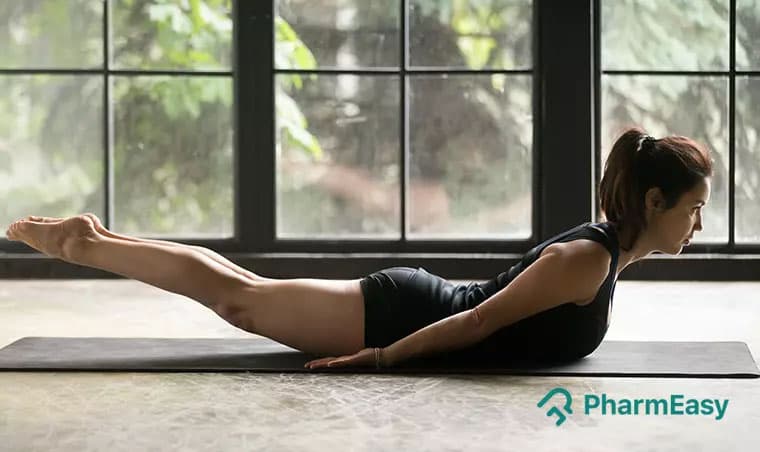
Locust Pose: Unlocking Its Power for Well-being in India
Meena, 45, a homemaker from Jaipur, noticed persistent lower back discomfort after long days managing household chores, including extended periods seated on the floor during family gatherings. Her physician recommended incorporating gentle yoga postures to fortify her core and ease the ache.
Among these suggestions was the Locust Pose, a potent asana with origins deeply embedded in the heritage of India.
Many people associate yoga solely with suppleness and stress relief, but its advantages reach much further. For instance, postures like the Locust Pose provide substantial physiological gains, particularly relevant to prevalent well-being concerns faced by the populace of India.
Consider this: our daily routines, often involving prolonged sitting, occasional dietary indulgences (especially during festivals like Diwali or Holi), and the physical rigors of everyday existence, can impact our bodies. The Locust Pose directly addresses many of these challenges.
The Profound Well-being Benefits of the Locust Pose
The Locust Pose is more than just a yoga posture; it's an entry point to improved physical wellness. Its principal benefit lies in fortifying the entire rear kinetic chain of the body. This encompasses the musculature of the back, buttocks, and hamstrings.
The numbers don't lie.
A robust posterior chain is vital for maintaining upright posture and averting common ailments like lower back pain, which affects a remarkable number of individuals in India. Indeed, a study highlighted by the Indian Council of Medical Research (ICMR) indicated that back pain is a foremost contributor to disability across the nation, impacting the productivity and life quality for millions.
What most individuals overlook is how directly this posture can assist in enhancing spinal wellness. By actively engaging the muscles of the back, the Locust Pose helps to relieve pressure on the spine and increase its suppleness. This is especially advantageous for those who spend many hours seated at desks or engaged in physically demanding occupations.
The posture encourages a natural spinal curve, counteracting the effects of slouching and poor bearing. Consistent engagement can lead to a discernible reduction in stiffness and an increase in overall spinal mobility.
Targeting Digestive Woes
But why does this occur? The gentle pressure and extension of the abdominal area during the Locust Pose stimulate the digestive organs. This stimulation can enhance the efficiency of the digestive system, aiding in the relief of widespread digestive complaints such as indigestion, gas, and constipation.
Recovery is rarely linear.
Given that digestive difficulties are widespread in India, often aggravated by diet and stress, a natural remedy like yoga becomes indispensable. The World Health Organization (WHO) has consistently highlighted the connection between gut wellness and overall vitality, making postures that support digestion highly significant.
Respiratory and Circulatory Gains
The posture also widens the chest and shoulders, promoting deeper respiration. This augmented respiratory capability can be incredibly beneficial, particularly in urban settings within India where air quality might be a consideration. Picture this: more profound breaths signify increased oxygen intake, which can boost energy reserves and foster better circulation throughout the body.
Enhanced blood flow is critical for delivering nutrients and oxygen to cells, supporting organ function and general vigor. The Lancet published research underscoring the importance of optimal oxygenation for preventing chronic diseases.
Fortifying and Toning
Beyond internal advantages, the Locust Pose is excellent for toning the musculature of the arms, legs, and midsection. It offers a mild yet effective physical exertion that can contribute to a more defined physique.
Recovery is rarely linear.
For new mothers in India, who frequently encounter the challenge of regaining firmness post-childbirth, this posture—when adjusted suitably—can be a secure and impactful method to rebuild core firmness and tone the abdominal muscles, always under supervision.
Potential for Blood Sugar Management
Interestingly, some research suggests that regular yoga engagement, including postures like the Locust Pose, may play a supportive function in managing blood glucose levels. While not a substitute for medical intervention, the stress reduction and improved circulation associated with yoga can contribute to better metabolic wellness.
The International Diabetes Federation (IDF) notes that India has one of the largest populations with diabetes globally, making lifestyle adjustments like yoga increasingly pertinent.
Mastering the Locust Pose: A Step-by-Step Guide
What should you actually do? Executing the Locust Pose correctly ensures you gain its full advantages while avoiding any strain. Here’s how to commence:
Preparation
Begin by lying flat on your abdomen on a yoga mat. Ensure your legs are extended straight backward, with your feet positioned at hip-width apart or slightly closer.
Place your arms alongside your body, with your palms facing downward, or gently tuck them beneath your thighs with palms facing down for a more profound stretch. Keep your forehead resting on the mat, and your neck in a neutral alignment, gazing slightly forward.
The Pose
As you draw in a breath, slowly elevate your head, chest, and arms off the floor. Concurrently, engage your leg musculature and lift your legs off the ground. The crucial element here is to use the firmness of your back muscles, avoiding strain on your neck or arms.
Recovery is rarely linear.
Keep your legs relatively straight, although a slight bend in the knees is acceptable if necessary. Your gaze should remain slightly forward, maintaining an elongated spine. Sustain this posture for 5-10 deep inhalations, concentrating on expanding your chest and feeling the engagement in your back and gluteal areas.
Breathing and Alignment
Throughout the posture, breathe deeply and evenly. Inhale to ascend further, and exhale to maintain the position or to gently descend. Ensure your hips remain in contact with the floor; refrain from twisting your torso.
The elevation should originate from the firmness of your back musculature. What most people overlook is the significance of the breath in stabilizing the posture and deepening the stretch. Think of it this way: the breath acts as an anchor, enabling you to hold the posture with greater ease and mindfulness.
Coming Down
To release the posture, exhale slowly and gently lower your head, chest, arms, and legs back to the floor. Rest your forehead on the mat, perhaps turning your head to one side for a few breaths to relax your neck. You can reposition your arms alongside your body again or rest your head on your stacked hands.
That alone changes everything.
Variations for Different Levels
For novices, a modified approach known as Ardha Shalabhasana (Half Locust Pose) is highly recommended. In this version, you lift only one leg at a time while keeping the upper body on the ground, or lift the upper body while keeping the legs on the floor.
This permits you to gradually build the requisite firmness. More experienced participants might explore variations such as the Full Locust Pose with interlaced fingers behind the back or lifting the entire body into a bow-like form, but these demand considerable firmness and suppleness.
Important Considerations and Precautions
While the Locust Pose offers numerous advantages, it is vital to approach it with awareness. Individuals with major neck or back injuries, elevated blood pressure, or certain cardiac conditions should seek advice from their physician before attempting the posture. Pregnant individuals should avoid this asana.
Honestly, heeding your body is paramount. Never push yourself beyond your capabilities, especially when commencing. The objective is gradual advancement, not immediate flawlessness.
Here's the reality — the key to unlocking the full capability of yoga lies in sustained, mindful engagement. Even 15-20 minutes of dedicated engagement daily can yield substantial well-being enhancements. Remember Meena?
Most people overlook this completely.
After consistently engaging in the Locust Pose and other gentle postures for a few weeks, she reported a notable reduction in her back discomfort and a discernible improvement in her energy levels. Her journey highlights the transformative potential of integrating ancient wisdom into contemporary existence.
Key Takeaways
- The Locust Pose fortifies the back, glutes, and hamstrings, which is crucial for spinal wellness and posture.
- The posture aids digestion by stimulating abdominal organs, assisting with issues like indigestion and constipation.
- It enhances respiratory function by opening the chest and encouraging deeper inhalations.
- Consistent engagement can contribute to toning musculature and may offer support for blood sugar management.
- Always engage with proper alignment and pay attention to your body, making adjustments as needed.
Always consult a qualified medical professional before making any health-related decisions.