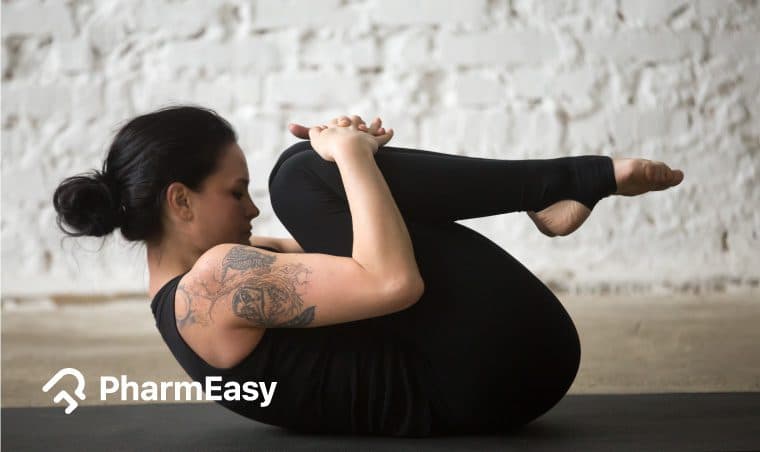
Understanding Pawanamuktasana: A Boon for Gut Well-being
Meena, 45, a homemaker from Jaipur, experienced ongoing bloating and discomfort after meals, particularly after enjoying richer festival foods during Diwali. Her usual remedies provided only temporary relief.
Feeling sluggish and concerned about her gastrointestinal well-being, she decided to explore yoga, a discipline she had heard much about from her grandmother. Her journey led her to Pawanamuktasana, the 'Wind Releasing Pose,' a simple yet profoundly effective posture.
From a practical standpoint, gastrointestinal issues are incredibly common in India, often made worse by dietary habits and lifestyle choices. Have you ever wondered why? The modern Indian diet, while rich and diverse, can sometimes be heavy on spices and fats, leading to frequent complaints like indigestion, gas, and bloating.
This is where ancient disciplines like yoga offer tangible solutions. Pawanamuktasana, literally translating to 'wind-relieving posture,' is a cornerstone of yoga for gut well-being.
What most people miss is the direct link between pressure in the midsection and the efficient functioning of our internal digestive organs. By gently massaging the intestines and internal organs of the midsection, this pose stimulates peristalsis – the wave-like muscle contractions that move food through the intestinal tract.
That alone changes everything.
This stimulation is crucial for breaking down food and expelling gas. In many instances, consistent engagement can significantly alleviate discomfort caused by trapped intestinal gas.
The Profound Benefits of Pawanamuktasana
The advantages of incorporating Pawanamuktasana into your routine extend far beyond mere gas relief. This posture is a therapeutic tool for various bodily ailments, particularly those related to the gastrointestinal and musculoskeletal systems.
Gastrointestinal System Enhancement
The primary benefit, as the name suggests, is the release of accumulated gas from the intestines. This is achieved through the gentle compression of the midsection as the knees are brought towards the chest.
This compression aids in stimulating bowel movements and relieving constipation, a condition affecting an estimated 10-15% of the Indian population at any given time, according to various well-being surveys.
Additionally, the posture massages the midsection organs, including the stomach, intestines, and liver. This internal massage can improve their function and efficiency. It helps in better absorption of nutrients from the food we consume.
That's the part worth remembering.
Have you ever wondered why? A well-functioning gastrointestinal system is the bedrock of overall well-being, impacting everything from energy levels to immune response.
Alleviation of Lower Back Pain
For individuals suffering from mild to moderate lower back pain, Pawanamuktasana can be remarkably impactful. As you hug your knees to your chest, the lower back is pressed firmly against the ground.
This action helps to release tension in the lumbar spine and surrounding muscles. Studies published in journals like 'The Lancet' have highlighted the role of yoga in managing chronic low back pain, with consistent engagement showing significant improvements.
When performed correctly, the posture gently stretches the muscles of the lower back and hips, promoting flexibility and reducing stiffness. Many office-goers in India, accustomed to long hours of sitting — sometimes even on the ground for extended periods during family gatherings — find relief from the resulting back discomfort through this simple posture.
Improved Circulation and Relaxation
The gentle pressure on the midsection can also stimulate blood circulation in the pelvic region. This improved blood flow is beneficial for various bodily functions. But why does this happen?
The physical action of the posture, combined with the focus on breath, promotes a sense of calm and relaxation. This can be particularly helpful for individuals experiencing stress and anxiety, which often manifest as gastrointestinal upset.
Pelvic Floor Strengthening
While not its primary focus, Pawanamuktasana can contribute to strengthening the pelvic floor muscles. These muscles play a vital role in bladder control and reproductive well-being. Regular engagement, especially when combined with other pelvic floor exercises, can offer long-term benefits.
Here's where it gets interesting.
Other Notable Benefits
- Enhances core strength over time.
- Can help regulate menstrual cycles and alleviate menstrual cramps when engaged mindfully.
- Promotes detoxification by stimulating the lymphatic system.
- Aids in reducing acidity and heartburn by improving gut function.
How to Perform Pawanamuktasana: A Step-by-Step Guide
Performing Pawanamuktasana is relatively straightforward, but correct alignment is key to reaping its full benefits and avoiding injury. Dr. Ankit Sankhe, a renowned yoga therapist, emphasizes the importance of listening to your body throughout the engagement.
Preparation
Begin by lying flat on your back on a yoga mat or a firm, comfortable surface. Ensure your spine is neutral and your legs are extended straight, with feet hip-width apart. Relax your arms by your sides, palms facing down. Take a few deep breaths, focusing on relaxing your entire body.
The Pose
- Inhale deeply, and as you exhale, bend your right knee towards your chest.
- Using your hands, interlock your fingers and clasp your shin or behind your thigh, gently pulling the knee closer to your torso.
- Keep your left leg extended on the ground or slightly bent if you have knee discomfort. The key is to maintain a comfortable stretch in the lower back.
- Engage your midsection muscles slightly and ensure your head and shoulders remain relaxed on the ground. Avoid lifting your head off the mat unless specifically instructed for a variation.
- Hold the posture for 15-30 seconds, breathing deeply and evenly. Focus on the sensation in your midsection and lower back.
- As you inhale, gently release your right leg back to the starting position.
- Repeat the same steps with your left leg.
- After performing on both sides, bring both knees towards your chest simultaneously. Interlock your fingers and clasp both shins, gently pulling both knees towards your torso.
- Hold this double-knee posture for 15-30 seconds, breathing deeply. This variation provides a more intense stretch and massage to the midsection area.
- As you exhale, slowly release both legs back to the starting position.
Breathing and Focus
The breath is integral to this asana. Inhale to prepare and lengthen, and exhale to deepen the posture and release tension. Focus your awareness on your breath and the sensations within your body. This mindful approach enhances the therapeutic effects of the engagement.
Contraindications and Precautions
While Pawanamuktasana is generally safe, certain conditions require caution or avoidance. It is essential to be aware of these to prevent potential harm. The International Diabetes Federation (IDF) highlights that while yoga can be beneficial for overall well-being, individuals with specific medical conditions should consult their doctor.
That's the part worth remembering.
- Pregnancy: Pregnant women should avoid this posture, especially after the first trimester, due to the midsection pressure.
- Recent Surgery: Individuals who have recently undergone midsection or spinal surgery must refrain from engaging in this asana until cleared by their surgeon.
- Hernia: Those suffering from a hernia should avoid the posture as it can increase intra-midsection pressure.
- High Blood Pressure/Heart Conditions: Individuals with uncontrolled high blood pressure or serious heart conditions should engage with extreme caution or avoid it. Consult your physician.
- Neck Issues: If you experience neck pain, keep your head on the ground and avoid lifting it.
- Gastrointestinal Disorders: If you have severe indigestion or ulcers, start gently and avoid excessive pressure.
Always listen to your body. If you feel any sharp pain or discomfort, release the posture immediately. It is advisable to learn the correct technique from a qualified yoga instructor or healthcare professional, especially if you are new to yoga or have pre-existing well-being concerns.
Integrating Pawanamuktasana into Your Daily Routine
Consistency is key to experiencing the lasting benefits of Pawanamuktasana. Ideally, engage in this asana in the morning on an empty stomach for optimal gut benefits. If morning engagement isn't feasible, ensure at least 4-6 hours have passed since your last meal before engaging in the evening.
Start with holding the posture for 15 seconds on each side and gradually increase the duration as your body becomes more comfortable. Aim for 2-3 rounds of the single-leg and double-leg variations.
Even a few minutes of engagement daily can make a marked difference. Remember, the goal is not to force the posture but to cultivate a gentle, mindful connection with your body.
Expert Insights from Dr. Ankit Sankhe
Dr. Ankit Sankhe, a proponent of holistic well-being, often recommends Pawanamuktasana as a foundational posture for improving digestive fire, or 'Agni,' in Ayurvedic terms. 'The gentle compression stimulates the Manipura chakra, associated with our gut and metabolic energy,' he explains.
' He further emphasizes that incorporating such simple yet reliable disciplines can dramatically elevate quality of life for millions suffering from widespread gut ailments. The World Health Organization (WHO) also acknowledges the growing body of evidence supporting yoga for managing non-communicable diseases, which often include chronic gut issues.
That's the part worth remembering.
Key Takeaways
- Pawanamuktasana, the Wind Releasing Pose, is highly proven for relieving gas, bloating, and constipation.
- The posture massages midsection organs, aiding gut function and nutrient absorption.
- It offers meaningful relief for mild to moderate lower back pain by stretching and decompressing the spine.
- Regular engagement can strengthen circulation, reduce stress, and strengthen pelvic floor muscles.
- Precautions should be taken by individuals with specific well-being conditions like pregnancy, hernia, or heart issues.
Always consult a qualified physician before making any medical decisions.