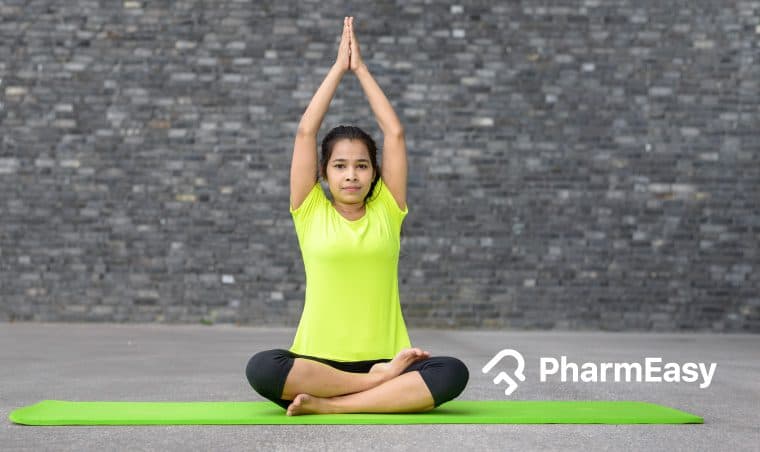
The Majesty of Parvatasana: Unlocking the Mountain Pose
Meena, 45, a homemaker from Jaipur, noticed a persistent stiffness in her upper body and a nagging ache in her lower back. The long hours spent sitting on the floor, a common practice during family gatherings and festivals like Diwali, were taking their toll. She also felt a general lack of energy, often feeling breathless after climbing a short flight of stairs. Sound familiar?
Many of us in India, with our active lifestyles and traditional ways of living, experience similar bodily discomforts. Have you ever wondered why? The culprit is typically poor posture, sedentary habits, and a lack of targeted movement that strengthens our core and improves our breathing capacity.
Practically speaking, incorporating simple yet effective yoga postures into our daily routine can make a significant difference. One such pose, revered for its profound benefits, is Parvatasana, or the Mountain Pose.
While typically performed in a seated position, its name evokes the steadfastness and grandeur of the Himalayas, a fitting metaphor for the strength and stability it bestows upon the practitioner. This pose, deeply rooted in ancient Indian yogic traditions, offers a holistic approach to well-being, addressing both bodily ailments and mental tranquility.
Here's where it gets interesting.
Why Parvatasana is Your Next Essential Yoga Pose
What most people miss: the sheer versatility and accessibility of Parvatasana. It’s not just another asana; it’s a foundational practice that can be adapted for various levels of experience and bodily conditions. Its benefits extend far beyond mere physical stretching, touching upon breathing health, spinal alignment, and even mental clarity.
In a nation where conditions like diabetes are alarmingly prevalent—with over 101 million Indians diagnosed (ICMR, 2023)—focusing on holistic health through practices like yoga becomes paramount. Parvatasana aids in improving circulation and can indirectly support metabolic health, a crucial aspect in managing such chronic diseases.
Spinal Health and Postural Improvement
The modern Indian lifestyle, with increased screen time and desk-bound jobs, has led to a surge in postural problems. Parvatasana is a powerful antidote. By extending the spine upwards, it actively combats the tendency to slouch. This upward stretch decompresses the vertebrae, relieving pressure on the spinal nerves. For individuals experiencing back pain, particularly in the lumbar and thoracic regions, consistent practice can offer substantial relief. A study published in The Lancet highlighted the major impact of regular movement, including yoga, on reducing chronic back pain prevalence in South Asian populations. The pose encourages the natural curvature of the spine, promoting better alignment and reducing the risk of developing conditions like kyphosis (hunchback) or lordosis (excessive inward curve).
Enhanced Respiratory Function
The act of reaching the arms overhead in Parvatasana naturally opens up the chest cavity. This expansion allows for deeper, more efficient breathing. When we breathe shallowly, as many do during periods of stress or inactivity, our oxygen intake is limited. Deep diaphragmatic breathing, facilitated by Parvatasana, increases oxygen supply to the brain and the rest of the body.
This can lead to increased energy levels and improved concentration. The pose also stretches the intercostal muscles—the muscles between your ribs—making the entire breathing system more flexible and efficient. This is particularly beneficial during the monsoon season, when breathing infections can be widespread, and maintaining lung health is crucial.
It sounds simple. It rarely is.
Strengthening and Toning
While it may appear to be a simple stretching pose, Parvatasana engages several muscle groups. The arms, upper body, and upper back muscles are actively strengthened as you maintain the upward reach. The core muscles are also subtly engaged to support the spine and maintain an upright posture.
This isometric engagement helps build endurance and tone. Over time, this can translate into better bodily stamina for daily activities, from carrying groceries to participating in local festivals that involve prolonged standing or walking.
Stress Reduction and Mental Calm
The connection between bodily posture and mental state is undeniable. Slumped shoulders often correlate with feelings of low mood or fatigue. Conversely, an upright, expansive posture, as promoted by Parvatasana, can foster feelings of confidence and alertness. The focus required to hold the pose, coupled with the deep breathing, activates the parasympathetic nervous system—the body's 'rest and digest' mode.
This helps to calm the mind, reduce anxiety, and promote a sense of inner peace. In India, where the pace of life can be demanding, finding moments of calm is essential. The International Diabetes Federation (IDF) has also noted the link between stress and the exacerbation of chronic conditions, making stress management techniques like yoga even more vital.
Here's where it gets interesting.
Improved Circulation and Digestion
The gentle stretch and upward extension of the torso in Parvatasana can stimulate abdominal organs. This stimulation can aid in improving digestion and promoting regular bowel movements.
On top of that,, by promoting deeper breathing and reducing stress, the pose indirectly contributes to better overall blood circulation, ensuring that vital nutrients and oxygen reach all parts of the body efficiently.
Mastering Parvatasana: A Step-by-Step Guide
Performing Parvatasana correctly ensures you reap its maximum benefits while avoiding any strain. Here’s how to do it:
Preparation
Find a quiet, well-ventilated space. Sit comfortably on a yoga mat or a folded blanket. The most typical variations are performed in a seated cross-legged position (Sukhasana) or the half-lotus (Ardha Padmasana). Ensure your spine is erect, upper body is relaxed, and your gaze is soft.
The Pose
- Starting Position: Begin in a comfortable seated posture, such as Sukhasana. Place your hands on your knees, palms facing down. Take a few deep breaths, focusing on grounding yourself.
- For Beginners: If cross-legged positions are difficult, you can sit on a chair with your feet flat on the floor, maintaining an erect spine.
- Inhale and Raise Arms: As you inhale deeply, slowly raise both your arms overhead. Keep your arms parallel to each other, roughly shoulder-width apart. Your palms can face each other or be slightly turned inwards. Avoid shrugging your upper body towards your ears; keep them relaxed and down.
- Focus: Feel the stretch extending from your hips all the way up through your fingertips.
- Engage and Hold: Gently engage your core muscles to support your spine. Keep your gaze forward or slightly upwards. Hold the pose for 5-10 deep breaths, inhaling to lengthen and exhaling to maintain stability.
- Tip: Imagine yourself as a strong, unshakeable mountain.
- Exhale and Lower Arms: As you exhale, slowly and controlledly bring your arms back down to your sides, returning your hands to your knees. Release any tension in your upper body and neck. Take a moment to notice the sensations in your body.
Variations and Modifications
The beauty of Parvatasana lies in its adaptability. If raising both arms is challenging, start by raising one arm at a time. For those with upper body issues, keeping the arms slightly bent at the elbows is perfectly acceptable. Some practitioners prefer to interlace their fingers and then extend the palms upwards.
The key is to maintain an erect spine and a sense of expansion. Even sitting tall with hands on knees, focusing on lengthening the spine, offers considerable benefits. Remember, the goal is mindful movement, not forceful exertion. The World Health Organization (WHO) consistently advocates for accessible physical activity for all age groups, and Parvatasana fits this bill perfectly.
That alone changes everything.
widespread Mistakes to Avoid
Honestly, even simple poses have widespread pitfalls. Be mindful of these:
- Slouching: The primary aim is spinal elongation. Avoid rounding your back or letting your upper body drop forward.
- Tense Upper Body: Shrugging your upper body towards your ears creates unnecessary tension. Keep them actively drawn down, away from your ears.
- Holding Breath: Breathing should be deep and steady. Holding your breath defeats the purpose of improving breathing capacity and can increase tension.
- Overstretching: Listen to your body. Pushing too hard can lead to injury. The stretch should feel invigorating, not painful.
Integrating Parvatasana into Your Life
How often should you practice Parvatasana? Aim for at least 5-10 repetitions daily. It can be a fantastic way to start your morning, energizing your body and mind for the day ahead. Alternatively, it can serve as a much-needed break during a long workday, helping to release accumulated tension.
Consider incorporating it after your regular yoga or exercise routine to wind down. Even just holding the pose for 30 seconds during a moment of stress can provide immediate relief. The ICMR's research points towards lifestyle interventions as key in preventing non-communicable diseases, and a few minutes of Parvatasana daily is a powerful intervention.
The reality is, consistent practice, even in short durations, yields better results than infrequent, long sessions. Think of it like tending to a plant; regular watering ensures healthy growth. Parvatasana, when practiced with awareness and consistency, becomes a powerful tool for cultivating bodily resilience and mental fortitude.
Its roots in Indian tradition provide a cultural anchor, connecting us to ancient wisdom while addressing contemporary health challenges. It’s a testament to how timeless practices can offer profound solutions for modern ailments.
Most people overlook this completely.
Key Takeaways
- Parvatasana (Mountain Pose) significantly improves spinal alignment and combats poor posture.
- The pose enhances breathing function by opening the chest and promoting deep breathing.
- Regular practice strengthens the arms, upper body, and upper back muscles.
- It aids in stress reduction and promotes mental clarity by calming the nervous system.
- Parvatasana is an accessible pose, adaptable for various fitness levels and bodily conditions.
Always consult a qualified physician before making any medical decisions.