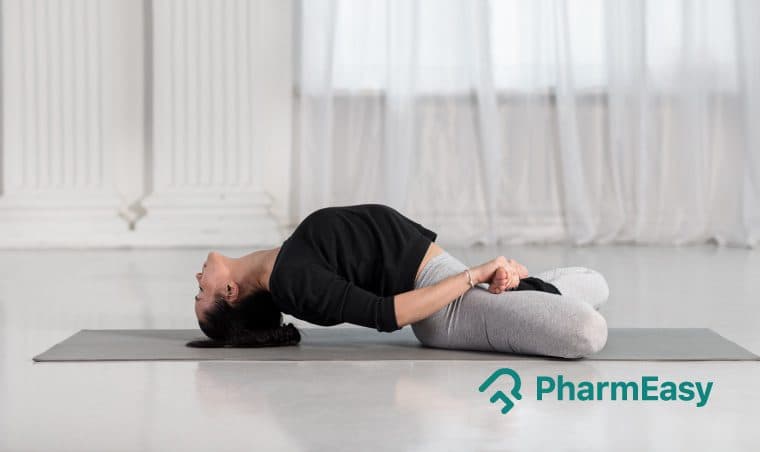
Mastering the Fish Pose: For Holistic Well-being
Meena, 45, a homemaker from Jaipur, noticed her persistent neck pain and fatigue were impacting her daily life. She found herself frequently slumped over household chores, feeling a constant strain. Does this sound familiar?
Many of us experience similar discomforts, often stemming from poor posture and stress. Fortunately, ancient disciplines like yoga offer profound solutions. The Fish Pose, known as Matsyasana, is one such posture that can bring remarkable relief and overall vitality.
The reality is, in our fast-paced Indian lives, balancing work, family, and personal welfare can feel like an uphill battle. We frequently neglect the subtle signals our bodies send until discomfort becomes a significant issue. Have you ever wondered why simple movements feel challenging or why you experience unexplained exhaustion?
The answer often lies in the interconnectedness of our physical and mental states. This is where yoga, particularly postures like the Fish Pose, steps in to restore balance.
Why the Fish Pose? Unpacking the Benefits
Matsyasana is more than just a physical posture; it's a gateway to numerous welfare advantages. Its unique form stretches and strengthens various parts of the body, promoting a sense of rejuvenation.
The posture is particularly beneficial for improving posture and alleviating common ailments that plague modern life. Its therapeutic effects extend to both the physical and energetic levels, making it a cornerstone of many yoga disciplines.
Most people overlook this completely.
Physical Advantages
The primary physical advantage of Matsyasana lies in its ability to open the chest and shoulders. This expansion is crucial for counteracting the rounded-shoulder posture that develops from prolonged sitting or screen time. Think about it this way: our chests naturally cradle vital organs like the heart and lungs.
By opening this area, we facilitate better breathing and circulation. Over 101 million Indians have diabetes (ICMR, 2023), a condition often exacerbated by sedentary lifestyles and poor circulation. The Fish Pose can contribute positively to improving blood flow, which is essential for overall metabolic welfare.
In many cases, this posture is a boon for those suffering from respiratory issues. The deep inhalation encouraged by the chest opening can increase lung capacity. This is especially relevant in urban Indian environments where air quality can be a concern.
The gentle arching of the spine massages the back muscles, potentially relieving tension and improving spinal flexibility. For individuals experiencing mild to moderate back pain, regular engagement can offer notable respite. A study published in The Lancet found that yoga interventions can be effective in managing chronic low back pain.
Here's where it gets interesting.
Thyroid Welfare and Hormonal Balance
One of the most celebrated benefits of Matsyasana relates to thyroid function. The posture gently compresses the throat area, stimulating the thyroid and parathyroid glands. These glands play a critical role in regulating metabolism, energy levels, and even mood.
By improving their function, the Fish Pose can help combat issues like hypothyroidism, which affects a meaningful portion of the population, particularly women. The International Diabetes Federation (IDF) notes a strong correlation between hormonal imbalances and metabolic disorders.
The posture also aids in stimulating the endocrine glands, contributing to better hormonal balance throughout the body. This can have a cascading positive effect on stress management and overall well-being.
Worth knowing: Many people seek yoga for stress relief, and Matsyasana's ability to calm the nervous system is a key factor in its popularity. The gentle inversion aspect, where the head is slightly lower than the heart, can also promote relaxation.
Here's where it gets interesting.
Digestive and Abdominal Welfare
Matsyasana offers substantial benefits for the digestive system. The slight compression of the abdomen can stimulate the abdominal organs, including the stomach and intestines. This stimulation can aid in improving digestion and alleviating prevalent issues like indigestion, bloating, and constipation.
In India, where diets can be rich and varied, especially during festivals like Diwali with indulgent sweets and savouries, maintaining good digestive welfare is paramount. Engaging in the Fish Pose regularly can support the digestive fire, or 'Agni' as it's known in Ayurveda.
The posture also encourages abdominal breathing, which is known to be more efficient and calming. This deeper breathing pattern massages the internal organs, promoting better nutrient absorption and waste elimination.
A balanced digestive system is foundational to good welfare, influencing everything from energy levels to immune function. It's estimated that around 20% of Indians suffer from chronic digestive problems, highlighting the need for such beneficial disciplines.
The numbers don't lie.
Mental and Emotional Well-being
Beyond the physical, Matsyasana profoundly impacts mental and emotional welfare. The act of opening the chest is intrinsically linked to opening the heart space, fostering feelings of generosity, compassion, and emotional release.
This is particularly helpful for individuals who tend to hold tension or emotional blockages in their upper body. The gentle stretch in the neck and throat can also release pent-up stress, leading to a sense of calm and clarity.
The posture's calming effect on the nervous system can enable reduce anxiety and mild depression. By promoting deeper, more conscious breathing, it encourages mindfulness and a connection to the present moment.
This is invaluable in today's world, where constant distractions can lead to mental fatigue. The feeling of lightness and expansion after engaging in the Fish Pose can be incredibly uplifting, promoting a more positive outlook.
That alone changes everything.
How to Engage in the Fish Pose Safely: A Step-by-Step Guide
Performing Matsyasana correctly is key to reaping its benefits while avoiding injury. Dr. Ankit Sankhe, a renowned yoga therapist, emphasizes the importance of proper alignment and listening to your body. Here’s a guide to benefit you get started:
- Starting Position: Lie flat on your back with your legs extended and together. Place your arms alongside your body, palms facing down. Ensure your entire body is relaxed.
- Hand Placement: Slide your hands, palms down, underneath your buttocks. Tuck your elbows in close to your body, keeping them aligned with your waist. Your forearms should be perpendicular to your body.
- Lifting the Chest: On an inhalation, press down through your forearms and elbows. As you do this, lift your chest and head off the floor. The weight should be distributed across your forearms, not on your head.
- Arching the Spine: Gently arch your upper back, creating a concave curve. Allow your head to drop back naturally, bringing the crown of your head to rest lightly on the floor. The neck should be in a comfortable, extended position, not strained.
- Opening the Chest: Focus on broadening your collarbones and lifting your sternum towards the ceiling. Your shoulders should roll back and down away from your ears, deepening the chest opening.
- Leg and Foot Position: Keep your legs extended and together. You can either keep your feet flat on the floor with toes pointing forward, or flex your feet and point the soles upwards. For beginners, keeping the feet flat is frequently more comfortable.
- Breathing: Breathe deeply and smoothly through your nose. With each inhale, feel your chest expand further. With each exhale, release any tension you are holding.
- Holding the Pose: Maintain the posture for 5-10 breaths, or as long as you feel comfortable.
- Exiting the Pose: On an exhalation, gently lift your head slightly, engage your core, and use your forearms to support your upper body as you slowly lower your head back to the floor. Slide your hands out from under your buttocks. Relax your body completely in Savasana (Corpse Pose).
Modifications and Precautions
While Matsyasana is generally safe, certain precautions are necessary. Individuals with severe neck or back problems, high blood pressure, or serious heart conditions should avoid this posture or engage in it under strict supervision.
If you experience any pain or discomfort, especially in the neck or lower back, ease out of the posture immediately. For those with limited flexibility, placing a folded blanket or block under the head can provide support.
It's crucial to listen to your body. Never force yourself into a position. The goal is to create space and ease, not strain.
If you have recently undergone abdominal surgery, it's best to wait until you have fully recovered before attempting this posture. People who experience migraines or have glaucoma should also exercise caution, as the slight inversion might exacerbate their problem.
That alone changes everything.
Integrating the Fish Pose into Your Routine
To experience the full spectrum of benefits, consistency is key. Aim to engage in Matsyasana at least 3-4 times a week. It can be performed in the morning to energize your day or in the evening to release accumulated stress.
This posture pairs well with other back-bending and chest-opening asanas like Bhujangasana (Cobra Pose) or Dhanurasana (Bow Pose) for a more complete discipline. However, always ensure you are adequately warmed up before attempting deeper backbends. Engaging in floor sitting, prevalent in many Indian households, can sometimes lead to tightness in the hips and lower back; the Fish Pose can aid counteract this.
Remember, yoga is a journey, not a destination. Celebrate small improvements and be patient with yourself.
The subtle shifts in your body and mind will accumulate over time, leading to meaningful positive changes. The World Health Organization (WHO) advocates for regular physical activity, including yoga, for maintaining overall welfare and preventing non-communicable diseases.
Key Takeaways:
- Matsyasana opens the chest and shoulders, improving posture and respiratory function.
- The posture stimulates the thyroid and parathyroid glands, aiding hormonal balance and metabolism.
- It enhances digestion and can alleviate issues like indigestion and bloating.
- Regular engagement contributes to stress reduction and improved mental well-being.
- Proper technique and precautions are essential for safe and reliable engagement.
Always consult a qualified physician before making any medical decisions.