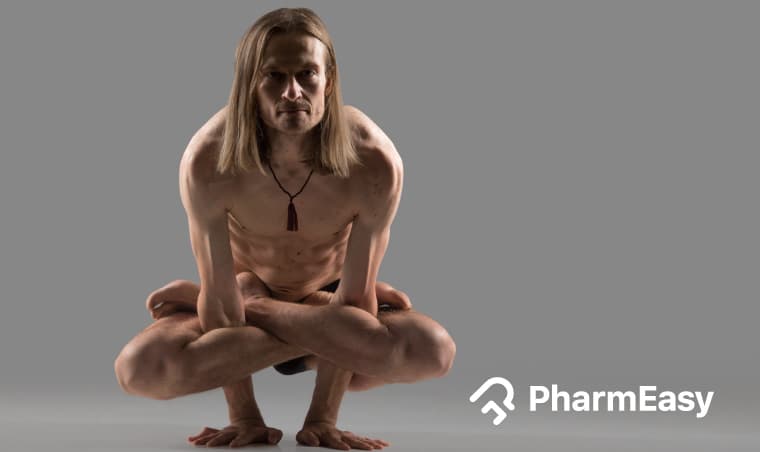
Understanding Kukkutasana: The Cockerel Pose
Meena, 45, a homemaker from Jaipur, noticed a persistent ache in her lower back after long hours spent sitting on the floor during family gatherings. She also felt a general lack of upper body robustness, making everyday tasks feel more strenuous.
Like many in India, her daily life involved activities requiring significant core stability and hip flexibility, yet she lacked targeted exercises to build these. Her physician recommended exploring yoga, specifically poses that could offer a dual benefit of fortifying and suppleness.
This is where Kukkutasana, or the Cockerel Pose, enters the picture. Often perceived as an advanced arm balance, this asana offers a wealth of benefits that extend far beyond mere physical prowess.
Honestly, many practitioners underestimate its profound impact on both the physical and mental well-being. It is a posture that demands and rewards dedication, cultivating a unique blend of power, equilibrium, and attention.
The Multifaceted Benefits of Kukkutasana
Practicing Kukkutasana regularly can unlock a surprising array of health advantages. The pose primarily targets the arms, wrists, shoulders, and core, building major power in these areas.
Think about it this way: holding this intricate equilibrium requires immense muscular engagement, which, over time, translates into increased might and endurance.
Physical Strengthening and Toning
The most immediate benefit is the remarkable fortifying of the upper body. Your arms and wrists bear the brunt of your body weight, developing tone and resilience. Muscles in the shoulders and upper back are also actively engaged, improving posture and reducing the likelihood of slouching.
Recovery is rarely linear.
This is particularly beneficial for individuals who spend long hours at desks or engage in repetitive arm movements. In many cases, this targeted fortifying can alleviate chronic shoulder and wrist pain.
Core Engagement and Stability
What most people miss: Kukkutasana is a powerhouse for core development. The pose necessitates a tight, engaged abdomen to maintain equilibrium and lift the body. This intense core work strengthens the rectus abdominis, obliques, and transverse abdominis – the deep stabilizing muscles of the trunk.
A strong core is foundational for almost every physical activity, from walking and running to lifting and bending. It also makes a real difference in preventing lower back pain, a common ailment affecting over 80% of adults at some point in their lives (WHO estimate). Fortifying the core can significantly improve spinal alignment and reduce strain.
Improved Balance and Concentration
Mastering an arm balance like Kukkutasana requires intense attention and a heightened sense of proprioception – your body's awareness of its position in space. As you learn to hold the pose, you naturally develop better concentration and mental clarity.
Here's where it gets interesting.
This improved attention can spill over into other areas of your life, enhancing productivity and reducing mental clutter. The physical challenge of balancing also hones your ability to remain steady amidst distractions.
Hip Opening and Flexibility
While primarily an arm balance, Kukkutasana also contributes to hip flexibility. The crossed-leg position within the pose gently stretches the hip joints and groin area.
This is especially beneficial for individuals who lead sedentary lifestyles or spend considerable time sitting, as it helps counteract the tightness that often develops in the hips. Improved hip mobility can enhance overall range of motion and reduce the risk of injury.
Digestive Health Stimulation
A less commonly known benefit relates to digestive health. The deep abdominal compression in Kukkutasana is believed to stimulate the digestive organs, including the stomach and intestines. This stimulation may aid in improving digestion and promoting regular bowel movements.
Some practitioners report a reduction in bloating and indigestion after consistent practice. This aligns with ancient yogic principles that link abdominal pressure to enhanced digestive function.
Preparation for Other Poses
Kukkutasana serves as an excellent preparatory pose for more challenging arm balances and inversions. By building the necessary power, stability, and mental fortitude, it makes transitioning to advanced postures feel more accessible.
It sounds simple. It rarely is.
Think of it as a stepping stone, allowing you to gradually build up to poses like Bakasana (Crow Pose) or even Handstand variations.
How to Perform Kukkutasana: A Step-by-Step Guide
Before attempting Kukkutasana, it’s essential to have a solid foundation in seated postures and basic arm balances. Warm up your wrists and shoulders thoroughly.
Gentle wrist circles, shoulder rolls, and a few rounds of Cat-Cow pose are highly recommended. Practicing Padmasana (Lotus Pose) or Ardha Padmasana (Half Lotus Pose) is a prerequisite for the full Kukkutasana, so ensure you can comfortably sit in these poses.
Step 1: Starting Position
Begin by sitting in Padmasana (Lotus Pose) or Ardha Padmasana (Half Lotus Pose) on your yoga mat. Ensure your spine is erect and your shoulders are relaxed. Take a few deep breaths to center yourself.
Step 2: Placing the Arms
Now, carefully bring your arms between your knees and calves. As you inhale, lift your legs slightly off the floor. Gently slide your right arm underneath your right thigh and your left arm underneath your left thigh. The goal is to have your arms positioned on the floor on either side of your torso, with your legs resting on top of your arms.
Step 3: Engaging the Core and Lifting
Exhale and engage your abdominal muscles strongly. This is the crucial step for lift-off. Simultaneously, press down through your palms into the floor. Slowly begin to lift your entire body off the mat, balancing on your forearms and hands.
That's the part worth remembering.
Keep your core tightly engaged throughout the lift. But why does this happen? The core muscles provide the necessary power and stability to overcome gravity.
Step 4: Holding the Pose
Once you are airborne, strive to maintain a straight line from your head to your heels. Keep your gaze fixed at a point in front of you (Drishti) to aid equilibrium. Breathe steadily and evenly.
Hold the pose for 5-10 breaths initially, gradually increasing the duration as you gain power and confidence. Remember to keep your shoulders away from your ears.
Step 5: Releasing the Pose
To release, inhale and slowly lower your body back to the mat with control. Unwind your legs from the crossed position and rest in a comfortable seated posture, perhaps Dandasana (Staff Pose). Take a few moments to observe the sensations in your body.
Modifications and Preparations
If Padmasana is challenging, start with Ardha Padmasana. If lifting the entire body is too difficult, begin by simply placing your arms between your legs and pressing your hands down, trying to lift just your hips slightly. Another preparatory exercise involves practicing Crow Pose (Bakasana) to build arm and core power.
Practicing these variations will build the foundational power needed for the full pose. Don't rush the process; listen to your body.
Important Considerations and Precautions
Kukkutasana is an intense pose and should be approached with caution. Individuals with wrist, elbow, or shoulder injuries should avoid this asana or seek guidance from a qualified instructor.
Pregnant women should also refrain from practicing Kukkutasana, especially in later trimesters. People suffering from high blood pressure or vertigo should also exercise extreme care or avoid the pose altogether.
What most people miss: It's crucial to build up to this pose gradually. Rushing can lead to injury. Ensure you have adequate flexibility in your hips and ankles, and sufficient power in your arms and core. Practicing under the supervision of an experienced yoga teacher is highly recommended, especially when you are starting.
That's the part worth remembering.
They can offer personalized adjustments and ensure you are performing the pose safely and effectively. For instance, a teacher can help you understand the correct alignment, which is critical for preventing strain. The Indian Yoga Association emphasizes proper guidance for all complex asanas.
So what does this mean for you? It means patience, consistent practice, and attentive listening to your body are paramount. Don't compare your progress to others; focus on your own journey and celebrate small victories. The benefits of Kukkutasana are substantial, but they are best achieved through mindful and safe execution.
Kukkutasana in the Context of Indian Yoga Tradition
Kukkutasana is deeply rooted in the rich tapestry of Indian yoga philosophy. While modern interpretations focus on the physical aspects, ancient texts often highlight its role in cultivating inner stillness and spiritual awareness. The pose, with its demanding equilibrium, encourages a withdrawal of the senses and a focus inward, a practice central to yogic meditation.
The very name, 'Kukkuta', meaning 'rooster' in Sanskrit, might symbolize the alertness and energy associated with this pose. It is a testament to the holistic approach of yoga, where physical postures are intrinsically linked to mental and spiritual development. This connection is something that institutions like the Morarji Desai National Yoga Institute actively promote.
It sounds simple. It rarely is.
Key Takeaways
- Kukkutasana significantly strengthens arms, wrists, shoulders, and core muscles.
- The pose enhances equilibrium, concentration, and mental clarity.
- It promotes hip opening and can aid in stimulating digestive functions.
- Proper technique and gradual progression are crucial to avoid injury.
- Consulting a qualified yoga instructor or physician is recommended before attempting.
Always consult a qualified physician before making any medical decisions.