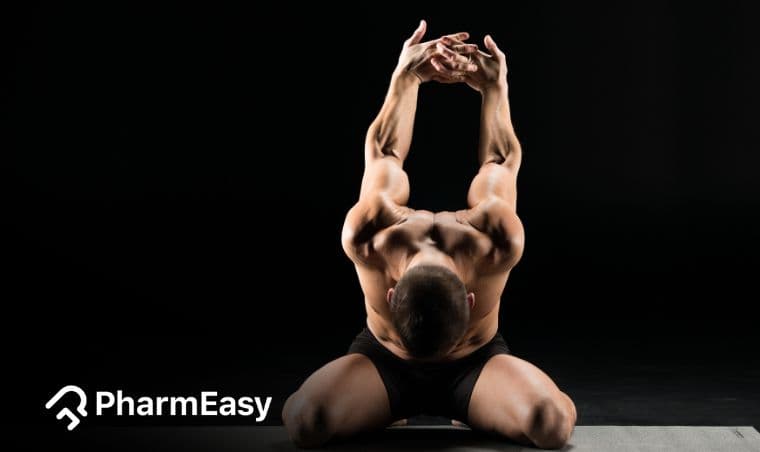
Dwikonasana: Unlocking Holistic Wellness with the Double Angle Pose
Meena, 45, a homemaker from Jaipur, noticed persistent bloating and discomfort after meals, especially during the monsoon season when her diet often included heavier, traditional preparations. She also experienced stiffness in her upper back, a common complaint among those who spend long hours managing household chores. Like many, she sought relief beyond conventional medicine and turned to yoga.
Her journey led her to discover Dwikonasana, the Double Angle Pose, a powerful asana that promised to alleviate her digestive woes and improve her posture. This pose, deeply rooted in ancient Indian yogic traditions, offers a remarkable array of physical and mental advantages. Ever wondered why certain poses are revered for their therapeutic effects?
In essence, Dwikonasana is more than just a physical posture; it’s an integrated approach that engages multiple bodily systems. Its name, derived from Sanskrit, translates to ‘double angle pose,’ referring to the angles formed by the arms and legs. This unique configuration allows for a deep stretch and compression, stimulating vital organs and promoting overall well-being.
The discipline of yoga, recognised globally for its health advantages, is particularly relevant in India, where it forms an integral part of cultural and spiritual life. The Indian Council of Medical Research (ICMR) has increasingly highlighted the role of lifestyle interventions, including yoga, in managing chronic diseases.
Most people overlook this completely.
The Multifaceted Benefits of Dwikonasana
Digestive Harmony and Improved Metabolism
One of the most celebrated advantages of Dwikonasana lies in its profound impact on the digestive system. The pose involves a gentle twisting and compression of the abdominal region, which effectively massages the intestines and other abdominal organs. This stimulation aids in the smooth movement of food through the digestive tract, helping to alleviate frequent issues like indigestion, bloating, and constipation. A study published in The Lancet highlighted how yoga, through such poses, can positively influence gut motility and reduce inflammation.
A key insight: the gentle pressure applied to the abdomen can also stimulate the pancreas and liver, potentially improving their function and aiding in better nutrient absorption. This improved digestive function can, in turn, lead to a more efficient metabolism.
For individuals like Meena, who experience discomfort after heavy meals, regular engagement can be transformative. The World Health Organization (WHO) acknowledges yoga as a beneficial complementary therapy for various health conditions, including gastrointestinal disorders.
Alleviating Back and Shoulder Discomfort
The Double Angle Pose is a boon for those suffering from chronic back pain, particularly in the lumbar and thoracic regions. The pose gently stretches the spine, increasing its flexibility and relieving tension accumulated from prolonged sitting or strenuous activity.
The interlocking of hands behind the back, a key element of the pose, opens up the chest and shoulders, releasing stiffness and improving posture. This is incredibly helpful for office workers and individuals who spend a significant amount of time seated, often in a hunched position.
This is where most patients struggle.
It's worth knowing: The spinal elongation and gentle twist help to decompress the vertebral discs, potentially offering relief from mild sciatica and general backaches. Many physiotherapy departments in leading Indian institutions like the All India Institute of Medical Sciences (AIIMS) incorporate yoga asanas, including Dwikonasana, into their rehabilitation programs for musculoskeletal issues.
Enhanced Respiratory Function and Stress Reduction
Dwikonasana encourages deeper breathing by opening the chest cavity. As you inhale, the lungs expand more fully, increasing oxygen intake. This improved respiration is not only helpful for overall physical health but also makes a real difference in calming the nervous system.
The controlled breathing, or Pranayama, that accompanies the asana engagement helps to reduce stress hormones like cortisol. A regular approach can lead to a noticeable decrease in anxiety levels and promote a sense of mental tranquility.
The mind-body connection is central to yoga. By focusing on the breath and the physical sensations within the pose, practitioners can achieve a meditative state, quieting the incessant chatter of the mind.
The numbers don't lie.
This mental clarity is invaluable in today's fast-paced world. The International Diabetes Federation (IDF) has noted that stress management techniques, like yoga, can play a supportive role in managing diabetes, a condition affecting over 101 million Indians (ICMR, 2023).
Strengthening and Toning the Body
While primarily known for its stretching and compressing actions, Dwikonasana also contributes to muscle strengthening. The legs are engaged to maintain stability, and the arms and shoulders work to achieve the bind.
This isometric engagement helps to tone the muscles in the arms, shoulders, back, and legs. Over time, consistent engagement can lead to improved muscle endurance and a more sculpted physique.
Potential Advantages for Blood Sugar Regulation
Some studies suggest that regular yoga engagement, including poses like Dwikonasana that enhance circulation and reduce stress, may play a supportive role in blood sugar management. The improved insulin sensitivity and stress reduction associated with yoga can be helpful for individuals managing pre-diabetes or type 2 diabetes.
While not a substitute for medical treatment, it can be a valuable complementary approach.
How to Perform Dwikonasana (Double Angle Pose) Safely
Performing Dwikonasana correctly is crucial to reaping its advantages and avoiding injury. Here’s a step-by-step guide:
Preparation
Start by sitting comfortably on your yoga mat in a cross-legged position (Sukhasana) or Padmasana (Lotus Pose), if you are comfortable. Ensure your spine is erect, and your shoulders are relaxed. Take a few deep breaths to centre yourself.
That's the part worth remembering.
The Pose
- Begin by extending your right leg straight out in front of you. Keep your left leg bent, with the sole of your left foot resting against your inner right thigh.
- Inhale deeply and raise both arms overhead.
- As you exhale, hinge from your hips, keeping your spine long. Reach your hands towards your extended right foot.
- Try to grasp your right foot with your left hand. If this is not possible, you can hold your shin or ankle.
- Now, bring your right arm behind your back and try to clasp your left wrist or forearm with your right hand. This creates the ‘double angle’ – one angle with the leg and torso, and another with the arms.
- If reaching the wrist is too difficult, you can use a yoga strap to bridge the gap between your hands. Hold the strap with your right hand and reach your left hand towards the strap.
- Hold the pose for 5-10 deep breaths, focusing on your breath and allowing your body to gently release into the stretch. Breathe deeply into your abdomen, feeling the compression and expansion.
- To release, gently unwind your arms and return to an upright seated position.
- Repeat the pose on the other side, extending your left leg and bringing your right foot to your inner left thigh.
Important Considerations and Modifications
But why does this happen? The difficulty in reaching the bind often stems from tight hamstrings, hips, or shoulders. Modifications are key to making this pose accessible and safe for everyone.
- Hamstring Tightness: If your hamstrings are tight, keep a slight bend in your extended knee. You can also place a folded blanket or cushion under your hips to tilt them forward, making it easier to fold.
- Shoulder Stiffness: If binding your wrists is challenging, use a strap or towel. Gradually, as your flexibility increases, you can shorten the distance between your hands on the strap.
- Neck Strain: Avoid tilting your head back or forcing your neck. Keep your gaze soft and slightly ahead.
- Beginners: Initially, focus on the forward fold and reaching towards your foot without the bind. The bind can be introduced later as flexibility improves.
- Contraindications: Avoid this pose if you have serious knee injuries, recent abdominal surgery, or severe back problems. Pregnant women should consult their doctor or a qualified yoga instructor.
Integrating Dwikonasana into Your Daily Routine
Incorporating Dwikonasana into your daily yoga engagement can yield meaningful health advantages. Aim to engage it at least 3-4 times a week, preferably in the morning on an empty stomach or at least 4-5 hours after a meal. Consistency is more crucial than the duration of the hold.
Even holding the pose for a few breaths with proper alignment is helpful. Many people find it works well as part of a sequence that includes other seated forward folds and twists, preparing the body for deeper stretches.
For instance, one might engage Paschimottanasana (Seated Forward Bend) or Janu Sirsasana (Head-to-Knee Forward Bend) before Dwikonasana to warm up the hamstrings and spine. After Dwikonasana, a gentle spinal twist like Ardha Matsyendrasana can assist balance the effects.
Remember, the goal is mindful movement and breath awareness, not forcing the body into positions it's not ready for. Floor sitting, frequent in Indian households, can sometimes contribute to hip and back stiffness, making poses like Dwikonasana particularly helpful for improving flexibility in these areas.
The numbers don't lie.
Key Takeaways
- Dwikonasana offers considerable advantages for digestion, metabolism, and relieving abdominal discomfort.
- The pose effectively alleviates back pain and shoulder stiffness by stretching and strengthening the spine and upper body.
- Regular engagement enhances respiratory function and promotes mental calmness by encouraging deep breathing and stress reduction.
- Modifications and props like straps can make Dwikonasana accessible even for individuals with limited flexibility.
- Consistent, mindful engagement, ideally on an empty stomach, is key to unlocking the full potential of the Double Angle Pose.
Always consult a qualified physician before making any medical decisions.