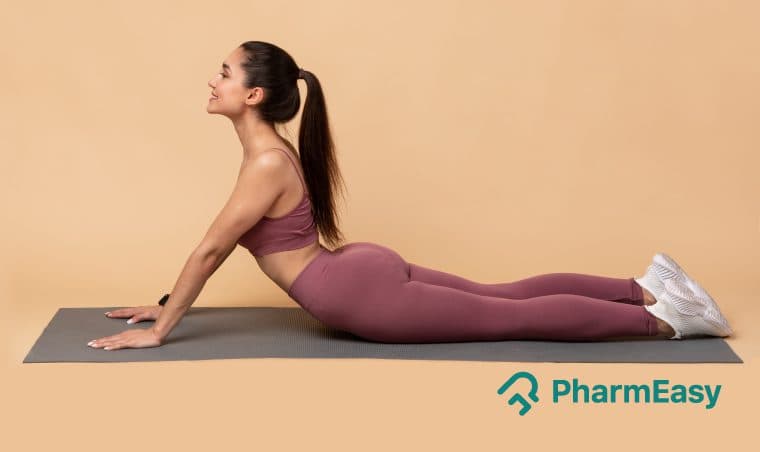
The Power of the Cobra: Unlocking Bhujangasana's Benefits
Meena, 45, a homemaker from Jaipur, noticed persistent lower back pain after a long day of household chores, including the traditional floor sitting for extended periods. The discomfort often radiated down her legs, making even simple movements challenging.
Like many in India, she initially dismissed it as a common ailment, but the pain began to affect her sleep and mood. Have you ever wondered why such chronic pain becomes a companion for so many?
Here's the thing — modern lifestyles, coupled with age-old disciplines that demand physical exertion, can put immense strain on our spinal columns. The Cobra Pose, commonly known as Bhujangasana, is a foundational yoga posture that offers remarkable relief and strengthening for the back. Engaged in for centuries, its efficacy is now being recognised globally, with studies highlighting its therapeutic potential. Dr. Ankit Sankhe, a seasoned yoga therapist and proponent of ancient Indian wellness disciplines, explains the profound benefits and precise execution of this posture.
Why Bhujangasana is Essential for Your Spine
The spinal column is the central pillar of our body, supporting movement and housing the nervous system. Its state of being is paramount to overall well-being.
Bhujangasana directly addresses spinal health by fortifying the back musculature, improving suppleness, and promoting better alignment. What most people miss: this posture is not just about bending backward; it's about creating space and vitality within the entire spinal column.
Strengthening the Posterior Chain
The musculature along the back of your body—from your neck to your hamstrings—forms the posterior chain. Bhujangasana actively engages and fortifies these muscles, particularly the erector spinae which run parallel to the spine. Stronger back musculature acts as natural support, reducing the likelihood of strain and injury.
Think about it this way: these muscles are your body's internal scaffolding. A robust scaffold prevents collapse.
Enhancing Spinal Flexibility
Modern life often leads to a stiff, hunched posture due to prolonged sitting and screen time. Bhujangasana counteracts this by gently extending the spine. This extension helps to decompress the vertebrae, improve the range of motion, and alleviate stiffness.
Here's where it gets interesting.
A more flexible spine means greater ease in daily activities and a reduced risk of disc-related issues. The Indian Spinal Cord Injury Centre reports that improving spinal mobility can significantly reduce chronic back pain, which affects an estimated 22% of the Indian population annually.
Improving Posture and Reducing Back Pain
Poor alignment is a silent epidemic, contributing significantly to back pain. By fortifying the upper back and chest musculature, Bhujangasana helps to pull the shoulders back and open the chest, correcting the rounded-shoulder posture.
This improved alignment can dramatically reduce tension and pain in the neck, shoulders, and lower back. The National Institute of Neurological Disorders and Stroke (NINDS) states that proper spinal alignment is crucial for preventing and managing chronic back pain, a condition impacting millions worldwide.
Stimulating Abdominal Organs
The gentle compression and expansion of the abdomen during Bhujangasana can stimulate the digestive and reproductive organs. This stimulation can aid in improving digestion, relieving constipation, and enhancing the function of these vital systems. While not its primary benefit, this is an added advantage that contributes to holistic well-being.
Recovery is rarely linear.
Stress Relief and Mood Enhancement
Yoga, in general, is a powerful tool for stress management. Bhujangasana, by opening the chest and promoting deeper breathing, helps to calm the nervous system.
This can lead to a reduction in stress hormones like cortisol and an uplift in mood. A study published in The Lancet Psychiatry highlighted that regular yoga engagement can be as effective as antidepressants for some individuals suffering from mild to moderate depression.
Mastering Bhujangasana: A Step-by-Step Guide
Achieving the full benefits of Bhujangasana requires correct technique. Dr. Sankhe emphasizes mindful execution over depth.
Preparation
Begin by lying on your stomach on a yoga mat. Your legs should be extended straight back, with the tops of your feet pressing gently into the floor. Place your hands palms down, directly beneath your shoulders, with your elbows tucked close to your body. Ensure your forehead is resting on the mat, and your neck is in a neutral position.
The Pose
Take a deep breath in. As you exhale, begin to lift your head, chest, and shoulders off the floor. Use the strength of your back musculature rather than pushing solely with your hands. Keep your hips and lower abdomen pressed firmly into the mat.
Your elbows should remain slightly bent and close to your sides. The lift should be gradual and controlled. Feel the gentle extension along your entire spinal column. The World Health Organization (WHO) recommends mindful movement disciplines like yoga for maintaining musculoskeletal well-being.
Here's where it gets interesting.
Holding the Pose
Hold the posture for 5-10 breaths, focusing on your breath. Continue to press the tops of your feet and your pubic bone into the mat to maintain stability. Imagine lengthening your spine with each inhale.
Avoid shrugging your shoulders towards your ears; instead, draw them down and back, opening the chest. What should you actually do? Breathe deeply and consciously, feeling the stretch.
Coming Down
As you exhale, slowly and with control, lower your chest, shoulders, and head back to the mat. Rest your forehead on the mat and relax your arms by your sides for a few breaths before repeating.
Variations and Precautions
Beginner Modification: If lifting the chest is too challenging, start by lifting only your head and shoulders slightly. Focus on engaging the back musculature. You can also place your forearms on the floor, parallel to each other, creating a Sphinx pose variation, which is less intense.
Precautions: Individuals with recent or chronic back injuries, neck problems, or who are pregnant should exercise extreme caution. It is advisable to consult with a healthcare provider or a qualified yoga instructor before attempting Bhujangasana, especially if you have any pre-existing medical conditions. The International Diabetes Federation (IDF) notes that regular physical activity, including yoga, can help manage blood sugar levels, but individual health assessments are crucial.
Bhujangasana in the Context of Indian Wellness
Yoga is an integral part of India's rich cultural heritage, deeply intertwined with philosophies of well-being and vitality. Bhujangasana, like many other postures, is not merely a physical exercise but an engagement that connects the body, mind, and spirit.
During monsoon season, when dampness can exacerbate joint pain for many, a gentle engagement like Cobra Pose can offer relief. Its inclusion in daily routines, even for short durations, has been a time-tested method for maintaining vitality.
The engagement is often incorporated into sequences that include other foundational postures, creating a holistic flow designed to prepare the body for meditation or pranayama. This integrated approach reflects the ancient Indian understanding of well-being as a state of balance.
It sounds simple. It rarely is.
For instance, a typical morning yoga session might include Surya Namaskar (Sun Salutations), which features Bhujangasana prominently, followed by seated postures and breathing exercises.
The emphasis on breath awareness (prana) in yoga is central. In Bhujangasana, synchronizing the breath with the movement—inhaling as you lift, exhaling as you lower—enhances its restorative effects.
This mindful connection between breath and posture is a cornerstone of yogic engagement and a key differentiator from mere physical exercise. The National Health Portal of India often highlights yoga's role in preventive healthcare.
Integrating Bhujangasana into Your Life
Making space for yoga in a busy Indian life can seem daunting. However, even 10-15 minutes of dedicated engagement daily can yield significant benefits. Start your day with Bhujangasana to awaken your spine and energize your body.
Alternatively, engage in it in the evening to release the day's accumulated tension. Consistency is more important than duration.
Remember Meena's story? She incorporated a short yoga routine, including Bhujangasana, into her mornings. Within weeks, she experienced a noticeable reduction in her back pain and a major improvement in her flexibility. The posture became a cornerstone of her self-care regimen.
The reality is, small, consistent efforts compound over time. Bhujangasana is an accessible posture that requires no special equipment, just a willingness to connect with your body and its inherent capacity for healing and strength. It’s a testament to the enduring wisdom of Indian traditions.
Key Takeaways:
- Bhujangasana strengthens the back musculature and improves spinal flexibility.
- It aids in correcting poor alignment and alleviating chronic back pain.
- The posture stimulates abdominal organs and can assist digestion.
- Regular engagement contributes to stress reduction and mood enhancement.
- Proper technique and mindful execution are crucial for maximum benefit and safety.
Always consult a qualified physician before making any medical decisions.