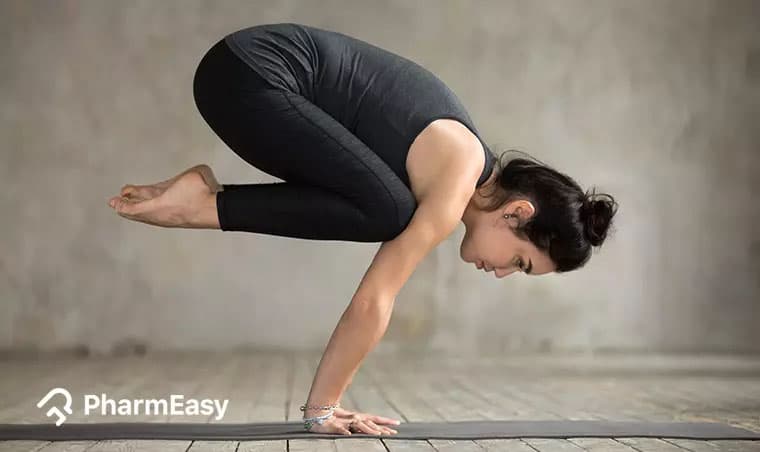
Mastering the Crane Pose: Enhanced Strength and Mental Acuity
Meena, 45, a homemaker from Jaipur, noticed her forearms often ached after long hours spent grinding spices and performing household chores. She also felt a persistent lack of concentration, especially when managing her family's busy schedule.
Like many, she sought a holistic solution that could address both her physical discomfort and mental fatigue. Could a traditional yoga practice offer the answer?
In the realm of yoga, certain postures stand out for their transformative potential. The Crane Pose, commonly known as the Crow Pose, is one such asana.
It’s an arm-balancing posture that requires significant strength, concentration, and a sense of groundedness. What most people miss: this pose is not just about physical prowess; its benefits extend deeply into mental and emotional well-being.
Dr. Ankit Sankhe, a seasoned yoga practitioner and physician, emphasizes that the Crane Pose offers a unique blend of challenges and rewards.
"It's a pose that truly teaches you to be present, to trust your body, and to find stillness amidst effort," he explains. This posture, when practiced correctly, can be a cornerstone for building a stronger, more resilient self.
The Profound Benefits of the Crane Pose
Practicing the Crane Pose regularly can unlock a cascade of physical and mental advantages. Think about it this way: you are actively engaging multiple muscle groups simultaneously, demanding coordination and control.
Here's where it gets interesting.
Physical Fortification
The most immediate benefit of the Crane Pose is the remarkable strengthening it imparts. Your arms, forearms, and shoulders bear the brunt of your body's load, leading to increased muscular endurance and power in these areas.
This is particularly beneficial for individuals who spend a lot of time typing, using a computer, or engaging in activities that require arm strength.
Additionally, the Crane Pose is a potent core strengthener. Holding the posture requires deep engagement of the abdominal muscles, which are crucial for spinal support and overall stability.
A strong core, as highlighted by numerous studies from institutions like the All India Institute of Medical Sciences (AIIMS), is fundamental for preventing back pain and improving posture. The posture also strengthens the muscles of the back, contributing to a more upright and confident stance.
In many cases, people underestimate the impact of arm balances on leg strength. While the legs are not directly bearing the load, they are actively engaged in lifting and stabilizing the body. This engagement contributes to toned and stronger thigh muscles.
Enhanced Balance and Proprioception
The Crane Pose is fundamentally a balancing posture. It challenges your ability to maintain equilibrium on your hands, forcing you to develop a keen sense of where your body is in space—a skill known as proprioception. This heightened awareness translates beyond the yoga mat, improving your coordination and agility in everyday activities.
Here's where it gets interesting.
Does this sound familiar? Many find that after consistently practicing arm balances, they feel more sure-footed and less prone to stumbles.
The World Health Organization (WHO) consistently reports on the global burden of falls, especially among older adults. While the Crane Pose might seem advanced, building foundational strength and balance through such postures can contribute to fall prevention strategies over the long term.
Internal Organ Stimulation and Digestion
Here's the thing: the abdominal compression inherent in the Crane Pose can stimulate the digestive organs. This internal massage is believed to aid in better digestion and potentially alleviate issues like bloating and constipation.
For individuals in India, where traditional diets often include complex spices and are sometimes consumed sitting on the floor—a posture that naturally aids digestion—this added stimulation can be particularly beneficial.
The pressure on the abdomen is thought to improve blood circulation to the abdominal organs, promoting their optimal function. This internal 'wash' can be a subtle yet powerful benefit for overall gastrointestinal health.
That's the part worth remembering.
Mental Clarity and Focus
The concentration required to hold the Crane Pose is intense. You must concentrate on your breath, your core engagement, and the subtle shifts in your body's position.
This intense concentration acts as a form of active meditation, quieting the mental chatter that often plagues us. Many practitioners report a major improvement in their ability to concentrate and remain present in other areas of their lives after incorporating arm balances into their routine.
The International Diabetes Federation (IDF) highlights the link between stress and chronic diseases. By cultivating concentration and reducing mental clutter, yoga practices like the Crane Pose can indirectly contribute to better stress management, a crucial component of overall health.
Over 101 million Indians are estimated to have diabetes (ICMR, 2023), a condition often exacerbated by stress.
Boosted Confidence and Self-Efficacy
Successfully holding the Crane Pose for even a few breaths can be a monumental confidence booster. It's a posture that requires overcoming fear and self-doubt. As you progress and master this challenging posture, you build a profound sense of self-efficacy—the belief in your own ability to succeed.
So what does that mean for you? It means you start believing you can tackle other challenges, both on and off the mat, with greater assurance.
How to Safely Practice the Crane Pose
Before attempting the Crane Pose, it's crucial to build a solid foundation in foundational yoga postures. This includes postures that strengthen the arms, forearms, and core, such as Plank Pose, Downward-Facing Dog, and various Warrior poses. Warm-up is non-negotiable.
This is where most patients struggle.
Preparation is Key
Begin by warming up your forearms thoroughly. Gentle forearm circles, flexion, and extension exercises are essential.
Practicing postures like Cat-Cow to mobilize the spine and Downward-Facing Dog to prepare the arms and shoulders are also vital preparatory steps. A few rounds of Surya Namaskar (Sun Salutations) can effectively prepare the entire body.
Step-by-Step Guide to the Crane Pose
- Start in a Squatting Position: Begin by standing with your feet hip-width apart, then lower into a deep squat. Your knees should be bent deeply, and your feet flat on the floor if possible. If your heels lift, place a rolled-up blanket or yoga mat underneath them for support.
- Place Hands on the Mat: Position your hands on the mat in front of your feet, fingers spread wide, middle fingers pointing forward. Align your forearms directly under your shoulders. Think about it this way: your hands are your foundation.
- Bend Elbows and Tuck Knees: Bend your elbows to a 90-degree angle, keeping them close to your torso—like a gentle tuck. Then, bring your knees up and rest them as high on your upper arms (triceps) as possible. The closer your knees are to your armpits, the more stable you will be.
- Shift Weight Forward Gradually: With your core engaged and spine lengthened, begin to slowly shift your body's load forward onto your hands. This is the most critical part. You'll feel your toes lifting off the ground naturally as your load moves forward.
- Engage Your Core: Actively pull your navel towards your spine. This core engagement is what will help lift your feet off the ground and maintain the balance. Imagine drawing energy up through your core.
- Lift Feet Off the Ground: As you shift your load forward and engage your core, gently lift your feet off the floor. Keep your gaze slightly forward, a few feet in front of your hands, to aid balance. Initially, just lifting one foot, then the other, is perfectly acceptable.
- Hold and Breathe: Aim to hold the posture for 3-5 breaths. Concentrate on maintaining stability and an even distribution of load across your palms. Remember, this takes practice.
- Exhale and Release: To release, gently exhale and lower your feet back to the mat, returning to a squatting position.
Modifications and Tips for Success
If bringing both knees to the upper arms feels too challenging initially, start by practicing with just one knee tucked at a time. This unilateral approach builds strength and familiarity.
Another modification involves placing a cushion or folded blanket in front of your hands to reduce the distance you need to shift your load, offering a safety net.
Here's the thing: patience is paramount. Don't get discouraged if you don't achieve the full posture immediately.
Consistent practice, even for short durations, yields results. Some yogis, like those often seen practicing at established centers affiliated with the Indian Yoga Association, emphasize the importance of 'Sankalpa'—a heartfelt intention—in overcoming such challenges.
Listen to your body. Pain in the forearms or elbows is a sign to back off. Ensure your hands are flat and fingers are spread to distribute load evenly. Does this sound familiar? Many beginners tend to grip with their fingers, which can lead to forearm strain.
The journal 'The Lancet' has published extensively on the benefits of physical activity for mental health, and yoga is consistently featured. The Crane Pose, by demanding concentration and physical exertion, provides a potent combination for both body and mind. It’s a testament to the power of intentional movement.
When to Be Cautious
While the Crane Pose is immensely beneficial, certain conditions warrant caution. Individuals with forearm injuries, carpal tunnel syndrome, or recent shoulder issues should avoid this posture or seek guidance from a physical therapist or experienced yoga instructor before attempting it.
Most people overlook this completely.
Pregnant women should also refrain from this posture, especially in later trimesters, due to the abdominal pressure involved.
So what does that mean for you? It means understanding your body's current limitations is as important as pushing its boundaries. Prioritize safety over achievement.
Key Takeaways
- The Crane Pose significantly strengthens arms, forearms, shoulders, and core muscles.
- The posture enhances balance, coordination, and body awareness (proprioception).
- Regular practice can stimulate digestive organs and optimise concentration.
- Overcoming the challenge of the Crane Pose builds confidence and self-efficacy.
- Proper warm-up, gradual progression, and listening to your body are crucial for safe practice.
Always consult a qualified physician before making any medical decisions.