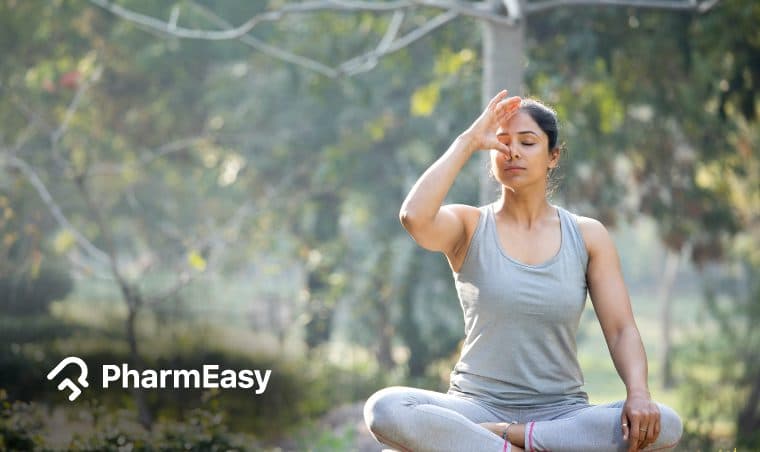
The Ancient Art of Balanced Respiration: Anulom Vilom
Meena, 45, a homemaker from Jaipur, noticed her stress levels soaring after her son's exams. Coupled with persistent acidity and sleepless nights, she felt overwhelmed.
Her neighbour, recalling traditional remedies, suggested trying Anulom Vilom. This ancient yogic respiratory technique, also known as Alternate Nostril Breathing, is far more than just a way to relax; it's a powerful tool for physical and mental well-being, deeply rooted in Indian wellness traditions.
Practically speaking, the stresses of modern Indian life—long commutes, demanding work schedules, and societal pressures—can take a significant toll. Have you ever wondered why so many people turn to yoga and meditation for solace? Anulom Vilom offers a tangible, accessible pathway to regaining equilibrium.
What is Anulom Vilom Pranayama?
Anulom Vilom is a foundational pranayama technique within the yogic tradition. It involves consciously regulating the airflow by alternating the passage of air through the left and right nasal passages. This rhythmic respiration is believed to balance the ida (left nasal passage, associated with lunar energy, coolness, and calmness) and pingala (right nasal passage, associated with solar energy, warmth, and activity) nadis, or energy channels in the body. The goal is to achieve a state of harmony and balance, both physically and mentally.
The method is simple yet profound. By focusing on the airflow and the gentle sensation of air passing through each nasal passage, participants can quiet the mind and reduce the 'noise' of daily worries. The simplicity makes it an ideal starting point for those new to pranayama.
The Science and Benefits of Anulom Vilom
While ancient yogis understood its benefits through introspection, modern science is increasingly validating the profound effects of pranayama, including Anulom Vilom. Research published in journals like The Lancet has explored the physiological impacts of controlled respiration on the autonomic nervous system. By stimulating the parasympathetic nervous system, Anulom Vilom can counteract the 'fight or flight' response triggered by stress.
Stress and Anxiety Reduction: This is perhaps the most celebrated benefit. A study involving participants engaging in alternate nostril breathing showed a marked reduction in perceived stress levels and anxiety symptoms. The controlled, rhythmic nature of the airflow calms the nervous system, lowering cortisol levels—the body's primary stress hormone. Over 101 million Indians have diabetes (ICMR, 2023), a condition often exacerbated by chronic stress, making stress management techniques like Anulom Vilom increasingly vital.
Improved Respiratory Function: Regular engagement can strengthen the respiratory muscles and improve lung capacity. By ensuring efficient oxygen exchange, it can be beneficial for individuals with mild respiratory issues. The method encourages deeper, fuller inhalations and exhalations, which is a stark contrast to the shallow respiration patterns often adopted during stressful periods.
Enhanced Mental Clarity and Focus: The act of focusing on the airflow naturally draws attention away from distracting thoughts. This meditative quality sharpens concentration and improves cognitive functions. Participants often report feeling more centred and clear-headed after a session. This mental clarity is crucial in today's information-saturated world.
Better Sleep Quality: Many individuals struggling with insomnia find relief through Anulom Vilom. By calming the mind and reducing anxiety, it prepares the body for restful sleep. A relaxed state is essential for achieving deep, restorative slumber, which is crucial for overall health and well-being.
Cardiovascular Health: Emerging research suggests that pranayama techniques, including Anulom Vilom, may contribute to improved cardiovascular health. This could be due to the stress-reducing effects and the potential impact on heart rate variability. The International Diabetes Federation (IDF) highlights the link between diabetes and cardiovascular complications, making any method that supports heart health highly valuable.
Detoxification and Energy Balance: Yogic philosophy posits that Anulom Vilom helps purify the nadis, facilitating the smooth flow of prana (life force energy) throughout the body. This balanced energy flow is believed to support the body's natural detoxification processes and promote vitality.
What most people miss: the subtle yet powerful impact of balanced respiration on the body's intricate systems. It’s not just about inhaling and exhaling; it’s about the conscious rhythm that influences our physiology.
Most people overlook this completely.
How to Perform Anulom Vilom: A Step-by-Step Guide
Dr. Ankit Sankhe, a renowned yoga therapist, emphasizes the importance of proper technique for maximum benefit. Consistency is key.
Preparation:
- Find a quiet, well-ventilated space.
- Sit comfortably on the floor in a cross-legged position (like Sukhasana or Padmasana), or on a chair with your spine erect.
- Rest your left hand on your left knee, palm facing upwards.
- Close your eyes gently.
The Technique (Vishnu Mudra):
You will use your right hand for the respiration. Form the Vishnu Mudra by folding your index and middle fingers towards your palm. Your thumb, ring finger, and little finger should remain extended.
- Close your right nasal passage with your right thumb. Inhale slowly and deeply through your left nasal passage. Feel the cool air entering your lungs.
- Close your left nasal passage with your ring finger (keeping the thumb on the right nasal passage). Hold your airflow for a very brief moment (optional, and only if comfortable; beginners can skip the hold).
- Release your thumb from the right nasal passage. Exhale slowly and completely through your right nasal passage.
- Now, inhale slowly and deeply through the right nasal passage.
- Close your right nasal passage with your thumb. Hold briefly (again, optional).
- Release your ring finger from the left nasal passage. Exhale slowly and completely through your left nasal passage.
- This completes one round. Repeat the cycle for 5-10 minutes, gradually increasing the duration as you become more comfortable.
Important Considerations:
- Maintain an upright but relaxed posture.
- Inhale and exhale gently and without force. The airflow should be smooth and inaudible.
- Focus your attention on the sensation of the airflow.
- If you feel dizzy or uncomfortable, stop and inhale and exhale normally.
- Avoid performing the technique immediately after a heavy meal. Allow at least 2-3 hours.
Does this sound familiar? Many find the initial steps slightly awkward, but with engagement, the hand position becomes second nature.
Anulom Vilom in the Indian Cultural Context
Anulom Vilom is more than just an exercise; it's a method woven into the fabric of Indian culture, often performed during yoga sessions, meditation retreats, and even as part of daily spiritual routines. During festivals like Diwali, when diets can become rich and heavy, incorporating such respiratory exercises can help maintain digestive balance and overall well-being. For many, sitting on the floor—whether on a durrie or a clean mat—is a natural posture for these methods, connecting them to the earth and fostering a sense of groundedness. The monsoon season, often associated with introspection and a slower pace, can be an ideal time to deepen one's engagement.
The guidance from experienced practitioners, like those at institutions such as AIIMS (All India Institute of Medical Sciences) who may incorporate yoga into holistic patient care, underscores the acceptance and integration of these ancient techniques into modern Indian health narratives. The World Health Organization (WHO) also acknowledges the role of traditional medicine and lifestyle methods in promoting health.
When to Practice and How Long?
The best time to engage in Anulom Vilom is early in the morning on an empty stomach, or in the evening before dinner. Aim for at least 5-10 minutes daily. As you gain proficiency, you can gradually extend the engagement to 15-20 minutes. Consistency, even for short durations, yields better results than infrequent long sessions.
Honestly, the perceived 'time commitment' is often a barrier, but even 5 minutes of focused airflow can make a notable difference in your day.
Common Mistakes to Avoid
Dr. Sankhe often advises his patients to be mindful of these widespread pitfalls:
- Forcing the airflow: Respiration should be effortless and smooth.
- Holding the airflow improperly: Beginners should focus on smooth inhalation and exhalation without air retention.
- Slouching: Maintaining an erect spine is crucial for proper diaphragm movement and energy flow.
- Distraction: While some mental wandering is normal, try to gently bring your focus back to the airflow.
- Ignoring bodily signals: Never push yourself if you feel pain or discomfort.
The reality is, perfect engagement doesn't happen overnight. Patience and self-compassion are essential companions on this journey.
Embrace Balanced Respiration for a Healthier You
Anulom Vilom pranayama offers a powerful, natural, and accessible method to enhance physical health, mental clarity, and emotional balance. Its roots in ancient Indian wisdom, now supported by scientific inquiry, make it a valuable addition to any wellness routine.
By dedicating just a few minutes each day to this simple yet profound method, you can unlock a reservoir of calm and vitality.
Always consult a qualified physician before making any medical decisions.
Key Takeaways:
- Anulom Vilom, or Alternate Nostril Breathing, balances energy channels and promotes calm.
- Regular engagement significantly reduces stress and anxiety indicators.
- It improves respiratory function, enhances focus, and aids in better sleep.
- Perform the technique with a straight spine, inhaling and exhaling gently through alternate nasal passages.
- Start with 5-10 minutes daily and gradually increase duration for optimal benefits.