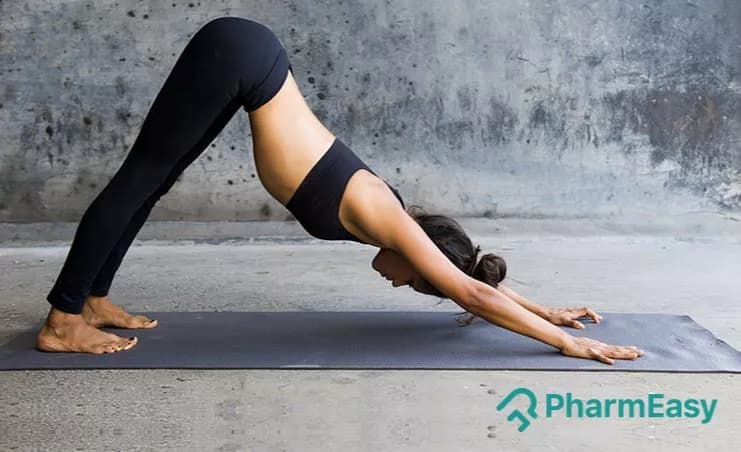
Managing Hemorrhoids: The Gentle Power of Yoga
Meena, 45, a homemaker from Jaipur, noticed a persistent discomfort that made daily life challenging. Sitting for extended periods, a necessity for her household chores, became a source of dread. The itching and pain associated with hemorrhoids were not just physically agonizing but also emotionally draining.
She had tried various over-the-counter remedies with little success. Like many in India, she was hesitant to discuss such personal issues openly, but the discomfort finally pushed her to seek help. Her doctor suggested incorporating gentle yoga into her routine, a practice often overlooked for its therapeutic benefits in managing anorectal conditions.
Hemorrhoids, a common ailment affecting a significant portion of the adult population globally, are swollen veins in the anus and lower rectum. The reality is, they can stem from various factors including chronic difficulty passing stools, straining during bowel movements, pregnancy, obesity, and prolonged sitting or standing.
In India, where traditional diets can sometimes be low in fibre and lifestyles might involve prolonged sitting (think of long hours in the office or even sitting on the floor for extended periods during festivals or daily routines), hemorrhoids are a frequent concern. The Indian Council of Medical Research (ICMR) estimates that digestive issues, including difficulty passing stools which is a major precursor to hemorrhoids, affect millions annually.
Most people overlook this completely.
But why does this happen? When **pressure** increases in the veins of the lower rectum, they can swell and become inflamed. This is often exacerbated by the straining that occurs when passing hard stools, a direct consequence of constipation.
Think about it this way: imagine trying to force water through a narrow, kinked hose – it puts immense strain on the hose itself. Similarly, straining puts undue **pressure** on the rectal veins. The World Health Organization (WHO) highlights difficulty passing stools as a major public **health** issue, impacting quality of life and often leading to secondary conditions like hemorrhoids and anal fissures.
While medical treatments range from topical creams and lifestyle changes to surgical interventions, yoga offers a complementary, non-invasive approach. Its benefits extend beyond physical postures; it promotes relaxation, improves blood circulation, and aids in better digestion – all crucial for managing hemorrhoids.
Practicing yoga regularly can aid reduce **pressure** in the rectal area, alleviate pain, and prevent constipation from worsening. It's a holistic method that addresses the root causes and symptoms simultaneously.
That alone changes everything.
The Best Yoga Poses for Hemorrhoid Relief
Incorporating specific yoga asanas into your daily routine can make a major difference. These poses are designed to gently stimulate the abdominal organs, improve blood flow to the pelvic region, and relieve **pressure**.
Remember to perform these poses on an empty stomach, ideally in the morning. Always listen to your body and avoid any pose that causes pain.
1. Pawanmuktasana (Wind-Relieving Pose)
This pose is aptly named as it helps in releasing trapped gas from the digestive tract, which is often a contributing factor to discomfort and bloating. By massaging the abdominal organs, it aids in digestion and relieves constipation. Regular practice can significantly reduce the **pressure** in the anal region.
- How to do it: Lie flat on your back. **Inhale** and bring your **knees** towards your chest. Clasp your hands around your shins or **knees**. Exhale and gently pull your **knees** closer to your chest, bringing your head up to try and touch your **knees** (if comfortable). Hold for 30-60 seconds, breathing deeply. **Inhale** and slowly lower your head and legs back down. Repeat 3-5 times.
Worth knowing: This pose is particularly beneficial if your hemorrhoids are aggravated by gas and bloating. The gentle **pressure** on the abdomen aids in peristalsis, the wave-like muscular contractions that move food through the digestive system.
2. Malasana (Garland Pose / Squat Pose)
Malasana is a deep squat that is excellent for relieving constipation and stimulating bowel movements. It opens the hips and strengthens the pelvic floor, promoting healthy digestion and reducing **pressure** in the anal canal. This is a pose many Indians are familiar with, often used for natural defecation.
It sounds simple. It rarely is.
- How to do it: Stand with your feet slightly wider than hip-width apart, toes pointing slightly outwards. **Inhale** and exhale as you lower your hips down into a deep squat, keeping your back straight. Bring your palms together in front of your chest in prayer position. Use your elbows to gently press your **knees** outwards. Hold for 30-60 seconds, breathing deeply. **Inhale** and slowly stand up.
So what does that mean for you? This pose mimics the natural squatting position, which is biomechanically the most efficient way to empty the bowels, thereby reducing straining and **pressure** on hemorrhoidal veins.
3. Balasana (Child's Pose)
Balasana is a resting pose that gently stretches the hips, thighs, and ankles while relieving stress and fatigue. It calms the brain and helps relieve mild constipation by promoting relaxation and reducing abdominal tension. Its restorative nature makes it a crucial part of any yoga routine for managing hemorrhoids.
- How to do it: Start on your hands and **knees**. Bring your big toes to touch and widen your **knees** about hip-width apart. Exhale and fold forward, resting your torso between your thighs. Lay your forehead on the floor (or a block/pillow for support). Extend your arms forward or rest them alongside your body, palms facing up. Hold for 1-3 minutes, breathing deeply and allowing your body to relax.
Practically speaking, this pose allows your abdominal organs to rest and decompress, which can be incredibly soothing when dealing with the discomfort of hemorrhoids.
4. Uttanasana (Standing Forward Fold)
This pose provides a gentle inversion, which can benefit boost blood circulation and relieve mild constipation. The forward fold gently massages the abdominal organs, aiding digestion. It also helps to calm the nervous system, reducing stress that can exacerbate digestive issues.
- How to do it: Stand with your feet hip-width apart. **Inhale** and lengthen your spine. Exhale and hinge at your hips, folding your torso forward. Let your head hang heavy. You can keep a slight bend in your **knees** if your hamstrings are tight. Rest your hands on the floor, blocks, or your shins. Hold for 30-60 seconds, breathing deeply. **Inhale** to slowly rise back up, one vertebra at a time.
The Lancet has published studies indicating that stress management techniques, including yoga, can positively impact gastrointestinal **health**. Uttanasana is a key pose for promoting this kind of relaxation.
This is where most patients struggle.
5. Viparita Karani (Legs-Up-The-Wall Pose)
This restorative pose is incredibly effective for improving circulation and reducing swelling in the lower extremities, which can indirectly support with hemorrhoids. It promotes relaxation and can aid alleviate anxiety and stress, frequent companions to chronic pain.
While not directly massaging the abdomen, its calming effect on the nervous system aids overall well-being.
- How to do it: Sit sideways against a wall. Swing your legs up the wall as you lie back on the floor. Scoot your hips as close to the wall as comfortable. Your legs should be straight up against the wall, forming an L-shape. Rest your arms by your sides, palms facing up, or place one hand on your belly and the other on your heart. Hold for 5-15 minutes, breathing deeply and relaxing.
Think about it this way: by reversing the effect of gravity on your legs, you encourage venous return, potentially easing the congestion in the rectal veins. This pose is a gentle yet powerful tool for circulatory **health**.
6. Paschimottanasana (Seated Forward Bend)
This pose is a powerful hamstring and spinal stretch that also massages the abdominal organs. It is highly beneficial for relieving constipation and stimulating the digestive system. The deep stretch can benefit release tension in the lower back and pelvic area, which often accompanies hemorrhoids.
- How to do it: Sit on the floor with your legs extended straight in front of you. **Inhale** and lengthen your spine, reaching your arms overhead. Exhale and hinge at your hips, folding forward over your legs. Keep your spine long as you reach towards your feet. You can hold your shins, ankles, or feet. If your hamstrings are tight, bend your **knees** slightly. Hold for 30-60 seconds, breathing deeply. **Inhale** to slowly come back up.
The International Diabetes Federation (IDF) notes that lifestyle modifications, including exercise and diet, are crucial for managing various **health** conditions, including those related to digestive **health**. This pose is an excellent example of how movement can aid internal processes.
It sounds simple. It rarely is.
Incorporating Yoga into Your Lifestyle
Consistency is key when using yoga for hemorrhoid management. Aim to practice these poses for at least 15-20 minutes daily. ), staying well-hydrated (especially important in India's climate), and avoiding prolonged sitting or straining during bowel movements.
Meena found that after a few weeks of consistent practice, her discomfort significantly reduced, and her bowel movements became more regular. The change wasn't overnight, but the gradual improvement in her quality of life was profound.
The benefits of yoga for hemorrhoids extend beyond just symptom relief. It promotes overall physical and mental well-being, reduces stress, and encourages a healthier lifestyle.
As you become more attuned to your body through yoga, you'll likely make better choices regarding diet and activity, creating a positive cycle of **health**. The simplicity and accessibility of these poses mean they can be practiced anywhere, making it easier to maintain a regular routine, whether you're at home or travelling.
Key Takeaways
- Yoga poses like Pawanmuktasana and Malasana can significantly relieve **pressure** and discomfort associated with hemorrhoids.
- Regular practice improves blood circulation in the pelvic region and aids in regular bowel movements, combating constipation.
- Poses such as Balasana and Viparita Karani promote relaxation and reduce stress, which can exacerbate hemorrhoid manifestations.
- Incorporating yoga alongside increased fibre intake and hydration is crucial for reliable hemorrhoid management.
- Consistency is vital; aim for daily practice to experience the long-term benefits for digestive and anorectal **health**.
Always consult a qualified physician before making any medical decisions.