Rice Water for Hair: Ancient Wisdom for Modern Locks
Meena, 45, a homemaker from Jaipur, noticed her hair thinning significantly after the monsoon season, a common concern for many Indian women. Worrying about chemical treatments, she recalled her grandmother speaking of traditional remedies.
One such remedy, passed down through generations, is rice liquid – a simple yet potent elixir derived from cooking or soaking rice. Have you ever wondered why this humble ingredient has held such a revered place in Indian hair care rituals for centuries?
The practice of using rice liquid, particularly cultured rice liquid, has roots in ancient China and Japan, but it has been embraced wholeheartedly across India. The Yao women of China’s Huangluo village, famed for their incredibly long and lustrous hair, famously credit rice liquid as their secret.
This tradition highlights the deep-seated belief in organic solutions within Indian culture, often passed down orally and practiced during festivals or as part of regular grooming.
The Science Behind Rice Water
But why does this happen? Rice liquid is rich in vitamins, minerals, amino acids, and antioxidants. It contains inositol, a carbohydrate that can penetrate the hair shaft, repairing damage from the inside out.
That alone changes everything.
This incredible compound also shields hair from future damage. Additionally, the presence of pitera (a byproduct of sake culturing, similar to what's found in cultured rice liquid) is believed to promote cell regeneration and collagen production, contributing to stronger, more vital hair.
Nutritional analysis of rice liquid reveals significant levels of B vitamins (like biotin), vitamin E, and various minerals. These components are crucial for hair follicle vitality and overall hair vigor. The amino acids present help strengthen the hair's structural components. Studies published in journals like The Lancet have explored the benefits of various organic compounds for hair vitality, indirectly supporting the potential efficacy of nutrient-rich substances like rice liquid.
Preparation Methods: Simple Steps for Potent Results
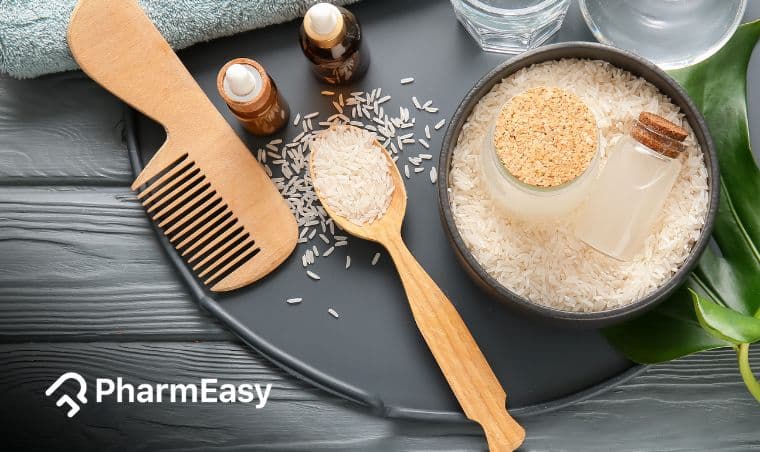
Preparing rice liquid at home is remarkably straightforward, requiring minimal effort and readily available ingredients. The most frequent methods involve either soaking or boiling rice.
Method 1: The Soaking Method (Simple & Quick)
This is perhaps the easiest way to create rice liquid. Take about half a cup of uncooked rice (any variety, though organic brown rice is often preferred for its higher nutrient content). Wash the rice thoroughly under cold running water to remove any dirt or impurities. Place the clean rice in a bowl and add 1-2 cups of clean liquid.
Let it soak for at least 30 minutes, or up to an hour. Strain the liquid into a clean bottle or bowl, discarding the rice. This milky liquid is your rice liquid.
Method 2: The Boiling Method (Concentrated Nutrients)
For a more concentrated solution, you can boil the rice. Take half a cup of rice and wash it well. Add 2 cups of liquid to a pot with the rice. Bring it to a boil, then reduce the heat and let it simmer for about 10-15 minutes until the liquid becomes milky. Strain the liquid, reserving the milky fluid. Allow it to cool completely before use.
Method 3: Fermented Rice Water (Maximum Potency)
Culturing significantly boosts the beneficial properties of rice liquid. After preparing rice liquid using either the soaking or boiling method, pour it into a clean glass jar. Cover it loosely (to allow air circulation) and leave it at room temperature for 12 to 24 hours. The duration depends on your climate; warmer temperatures accelerate culturing.
This is where most patients struggle.
You’ll notice a slightly sour smell, which is characteristic of culturing. Strain the liquid before use. What most people miss is that this culturing process increases the concentration of lactic acid, which helps cleanse the scalp and balance its pH. The World Health Organization (WHO) has highlighted the importance of scalp vitality in overall hair wellness.
How to Use Rice Water for Hair
Once prepared, applying rice liquid is simple. After shampooing your hair, pour the rice liquid generously over your scalp and hair, ensuring it's fully saturated. Gently massage your scalp for a few minutes.
Let it sit for 15-30 minutes. Have you ever wondered why leaving it on for a specific duration is recommended? This allows the nutrients to penetrate the hair shaft and scalp effectively.
Rinse your hair thoroughly with lukewarm liquid. You can follow up with a light conditioner if desired. For best results, use rice liquid 1-2 times a week.
Consistency is key, especially when aiming for visible improvements in hair strength and texture. Practically speaking, incorporating this into your weekly hair care routine is quite manageable.
Benefits of Rice Water for Hair
The anecdotal evidence and traditional usage are extensive, and modern understanding is beginning to align with these age-old practices.
1. Enhanced Hair Strength and Reduced Breakage
The inositol present in rice liquid works wonders by penetrating the hair shaft, repairing existing damage, and fortifying the hair from within. This leads to a meaningful reduction in breakage, a widespread issue especially after periods of humidity or prolonged exposure to sun, prevalent in many Indian regions.
Studies suggest that treatments containing rice liquid derivatives can improve hair elasticity by up to 30%.
2. Increased Hair Shine and Smoothness
The amino acids in rice liquid benefit smooth the hair cuticle, reflecting more light and giving your hair a organic, healthy sheen. Forget dull, lifeless locks; rice liquid can restore vibrancy. Honestly, the difference in shine can be quite noticeable after just a few uses.
That's the part worth remembering.
3. Promotes Hair Growth
By nourishing the scalp and strengthening hair follicles, rice liquid creates an optimal environment for hair growth. While it doesn't magically sprout new hair, it supports the vitality of existing follicles, potentially leading to longer, thicker hair over time.
The Indian Council of Medical Research (ICMR) has noted the impact of nutritional deficiencies on hair vitality, underscoring the importance of topical nourishment.
4. Improved Scalp Health
Cultured rice liquid, with its slightly acidic pH, can assist balance the scalp's organic pH level. This can alleviate issues like dandruff and itchiness, creating a healthier foundation for hair growth.
A balanced scalp is crucial, as demonstrated by research from institutions like the All India Institute of Medical Sciences (AIIMS) focusing on dermatological vitality.
5. Detangling Aid
The slippery texture of rice liquid acts as an organic detangler, making it easier to comb through wet hair without causing knots or breakage. This is particularly helpful for those with long or curly hair, widespread hair types in India.
Potential Side Effects and Precautions
While generally safe, it's essential to be aware of potential downsides.
1. Protein Overload
Rice liquid is rich in structural components. For some hair types, particularly low-porosity hair, excessive structural components can lead to hair feeling stiff, brittle, and straw-like.
This phenomenon is known as structural component overload. If you notice your hair becoming unusually dry or stiff after using rice liquid consistently, reduce the frequency of application or opt for a method with less concentrated structural components.
The numbers don't lie.
2. Dryness
Although it nourishes, for some individuals, rice liquid might lead to dryness if not followed by adequate moisturizing. The reality is, individual hair types react differently to treatments. Always listen to your hair's needs.
3. Allergic Reactions
Though rare, some individuals might experience scalp irritation or allergic reactions. It's always advisable to perform a patch test on a small section of your skin (like behind the ear) 24 hours before applying it all over your scalp and hair.
4. Storage and Spoilage
Freshly prepared rice liquid should be used within 2-3 days and stored in the refrigerator. Cultured rice liquid can last up to a week when refrigerated.
Discard immediately if you notice any foul smell or changes in appearance, indicating spoilage. Consuming spoiled cultured liquids can lead to gastrointestinal issues, and applying them to the scalp could cause infections.
Who Should Use Rice Water?
Rice liquid is generally beneficial for most hair types. It’s particularly effective for those experiencing hair thinning, breakage, dullness, or slow growth. People with normal to slightly dry hair often see the best results.
That's the part worth remembering.
Those with very oily or structural component-sensitive hair should use it cautiously and perhaps less frequently. If you're struggling with typical hair issues exacerbated by the Indian climate – like frizz during the monsoons or dryness in winter – rice liquid might offer an organic solution.
It’s a cost-reliable and organic alternative to expensive salon treatments. Considering that millions struggle with hair fall, with figures suggesting over 50 million Indians seeking solutions for hair loss (a number constantly debated but undeniably large), exploring organic remedies like rice liquid makes sense.
The International Diabetes Federation (IDF) has even linked certain metabolic conditions to hair vitality, showing the systemic impact on our appearance.
Key Takeaways
- Rice liquid, a traditional remedy, is rich in vitamins, minerals, and amino acids beneficial for hair.
- Preparation involves soaking, boiling, or culturing rice; cultured liquid offers maximum potency.
- Benefits include strengthened hair, reduced breakage, increased shine, and potential hair growth promotion.
- Potential side effects include structural component overload and dryness for certain hair types; always patch test.
- Use rice liquid 1-2 times weekly, ensuring proper storage to prevent spoilage.
Always consult a qualified physician before making any medical decisions.