Understanding Hair Loss: More Than Just Genetics
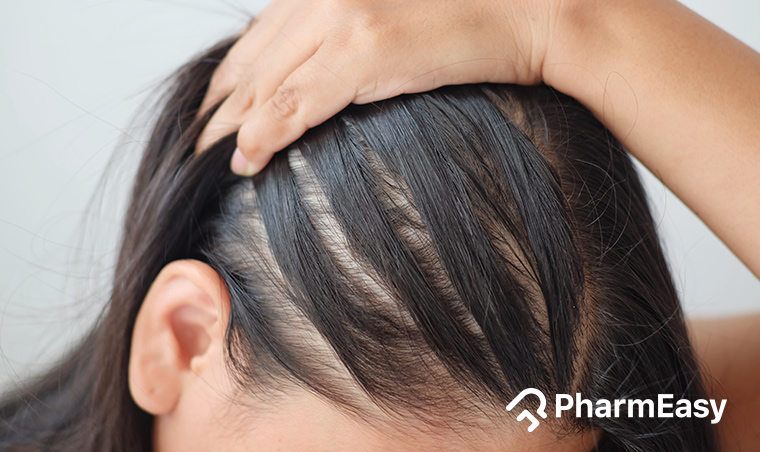
Meena, 45, a homemaker from Jaipur, noticed significant hair thinning over the past year. Initially dismissing it as stress from managing her household and children, the persistent shedding became a source of worry. She found more hair on her brush, in the shower drain, and on her pillow than ever before.
This familiar Indian scenario highlights a growing concern across the nation: hair loss. While genetics play a role, the reality is that various underlying medical issues can trigger or exacerbate hair fall. Honestly, ignoring persistent hair loss can lead to deeper health problems.
The prevalence of hair loss in India is substantial. Studies suggest a meaningful portion of the adult population experiences some form of hair thinning or baldness. While precise pan-India data varies, anecdotal evidence and clinic reports indicate that conditions like androgenetic alopecia (male and female pattern baldness) are widespread.
Beyond this, deficiencies and hormonal imbalances contribute significantly, especially in women. So what does that mean for you? It means that while a mirror might show you thinning hair, a blood test could reveal a hidden medical issue.
That alone changes everything.
Who Should Consider a Blood Test for Hair Loss?
If you're experiencing sudden, notable, or persistent hair loss that isn't typical for your family history, a blood test is often the next logical step. This is particularly true if the hair loss is accompanied by other symptoms. Does this sound familiar?
Perhaps you've noticed unusual fatigue, changes in your skin or nails, irregular menstrual cycles, or unexplained weight fluctuations. These can all be red flags pointing towards an underlying medical condition that a simple blood test can help identify. This is important.
Individuals with a known history of certain medical conditions, such as thyroid disorders, autoimmune diseases, or polycystic ovary syndrome (PCOS), should also discuss screening with their doctor. Women, especially those experiencing hormonal shifts related to pregnancy, childbirth, or menopause, are more prone to certain types of hair loss and may benefit from specific hormonal evaluations.
In many cases, a doctor will recommend a blood test if the hair loss pattern is unusual or if it develops rapidly without an obvious trigger like considerable illness or medication change.
Specific Scenarios Warranting Testing:
- Sudden or Rapid Hair Loss: A sudden increase in shedding, known medically as telogen effluvium, often has an underlying trigger that blood evaluations can aid pinpoint.
- Associated indicators: Fatigue, unexplained weight changes, changes in menstrual cycles, skin rashes, brittle nails, or persistent cold intolerance.
- History of Medical Conditions: Thyroid disease, diabetes, autoimmune disorders (like lupus), anemia, or PCOS.
- Nutritional Concerns: If your diet is restrictive or you suspect deficiencies in iron, vitamin D, or B vitamins.
- Medication Side Effects: If you've recently started new medications known to cause hair loss.
Common Types of Hair Loss and Their Blood Test Markers
Hair loss isn't a single disorder; it's a symptom with many potential causes. Blood evaluations aid differentiate between these by checking for specific markers.
Thyroid Imbalances
Thyroid hormones regulate metabolism, and imbalances can directly impact hair growth cycles. Both an overactive thyroid (hyperthyroidism) and an underactive thyroid (hypothyroidism) can lead to diffuse hair thinning. A simple Thyroid Stimulating Hormone (TSH) test is usually the first step.
Recovery is rarely linear.
If TSH levels are abnormal, further evaluations like Free T3 and Free T4 might be ordered. The prevalence of thyroid disorders in India is meaningful, with hypothyroidism being more frequent, affecting an estimated 10-15% of the adult population according to some reports from institutions like AIIMS.
Iron Deficiency Anemia
Iron is crucial for producing hemoglobin, which carries oxygen to your cells, including hair follicles. Low iron levels (ferritin) can disrupt the hair growth cycle, leading to increased shedding. This is a particularly frequent cause of hair loss in women in India, often exacerbated by dietary habits or heavy menstruation.
A ferritin test measures stored iron levels. Normal ferritin levels are generally considered to be between 15-150 ng/mL, but for hair quality, many experts suggest maintaining levels above 30-50 ng/mL. Over 101 million Indians have diabetes (ICMR, 2023), and while not directly linked to iron, overall medical management is key.
Hormonal Fluctuations
Androgenetic alopecia, the most frequent type of hair loss, is linked to sensitivity to androgens (male hormones), even in women. Hormonal imbalances, such as those seen in PCOS (Polycystic Ovary Syndrome), can also cause hair thinning. Evaluations may include DHEA-S (dehydroepiandrosterone sulfate), testosterone levels (total and free), and prolactin.
Here's where it gets interesting.
These are especially relevant for women experiencing irregular periods or other signs of hormonal disruption. The International Diabetes Federation (IDF) reports high diabetes prevalence in India, which can sometimes be linked with hormonal issues.
Vitamin Deficiencies
Vitamins play vital roles in cell growth and repair, including that of hair follicles. Deficiencies in Vitamin D, Vitamin B12, and Biotin are frequently implicated in hair loss. Vitamin D deficiency is widespread in India due to factors like lifestyle and reduced sun exposure, with estimates suggesting over 70% of the population might be deficient according to some studies.
Blood evaluations can accurately measure levels of these essential vitamins. For instance, Vitamin D levels below 20 ng/mL are considered deficient. It's crucial.
Other Potential Causes
Less frequent, but still vital, causes can be identified through blood work. Autoimmune conditions like lupus can manifest with hair loss; specific antibody evaluations might be ordered. Autoimmune thyroiditis (Hashimoto's) is also a frequent culprit.
Liver and kidney function evaluations might be performed if systemic illness is suspected. Stress, a considerable factor, doesn't typically highlight up on a standard blood panel but can be a trigger for telogen effluvium, which is diagnosed through clinical presentation and ruling out other causes.
The numbers don't lie.
Navigating the Testing Process
If your doctor suspects an underlying cause for your hair loss, they will order specific blood evaluations. It's crucial to follow their instructions regarding fasting or timing of the blood draw. For example, some hormone tests are best performed at specific times of the menstrual cycle for women.
After the evaluations are completed, your doctor will interpret the results in the context of your overall medical status and indicators. A single abnormal value doesn't always mean a serious problem, but it provides valuable information for diagnosis and treatment planning.
The Lancet has published numerous studies highlighting the importance of accurate diagnosis for effective management of chronic conditions.
Prevention and Management Strategies
While not all hair loss is preventable, particularly genetic forms, managing underlying medical conditions can significantly assist. A balanced diet rich in proteins, vitamins, and minerals is fundamental.
For instance, ensuring adequate intake of iron-rich foods like spinach, lentils, and lean meats can aid prevent deficiency anemia. During monsoon season in India, the humidity can sometimes exacerbate scalp issues, making good hygiene and appropriate hair care even more critical.
The numbers don't lie.
Regular exercise and stress management techniques like yoga or meditation are beneficial for overall medical well-being and can indirectly support hair quality. Avoiding harsh hair treatments, tight hairstyles that pull on the scalp (like tight braids or buns), and excessive heat styling can also minimize physical stress on the hair follicles.
Worth knowing: adopting a healthy lifestyle impacts more than just your waistline; it supports your entire body, including your hair.
If floor sitting is a frequent practice in your household, ensure your hair is protected from dust and dirt, especially during dry spells. For conditions like PCOS or thyroid disorders, consistent medical management as prescribed by a healthcare professional is paramount.
Adhering to medication schedules and attending follow-up appointments ensures the problem is well-controlled, thereby mitigating its impact on hair quality. The World Health Organization (WHO) consistently emphasizes the importance of early detection and management of chronic diseases.
Key Takeaways
- Blood evaluations are essential for diagnosing underlying medical causes of hair loss beyond genetics.
- Frequent culprits include thyroid imbalances, iron deficiency anemia, hormonal issues (like PCOS), and vitamin deficiencies (D, B12).
- manifestations like fatigue, weight changes, or menstrual irregularities often accompany medically-related hair loss.
- A ferritin test is crucial for assessing iron stores, a frequent cause of hair fall in Indian women.
- Prevention involves a balanced diet, stress management, gentle hair care, and treating any identified underlying medical conditions.
Always consult a qualified physician before making any medical decisions.