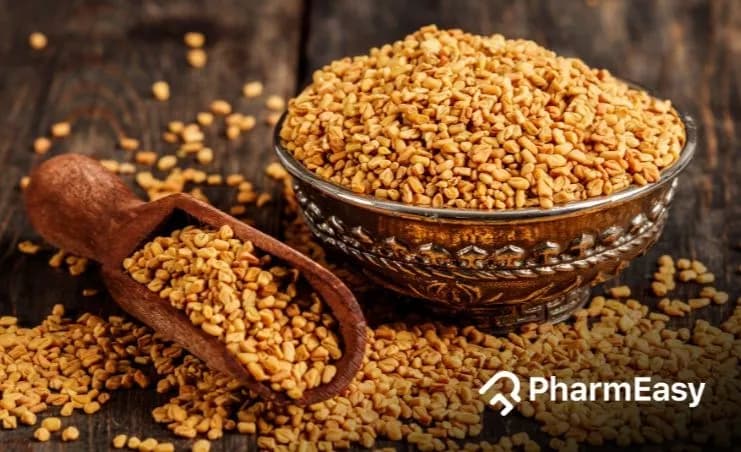
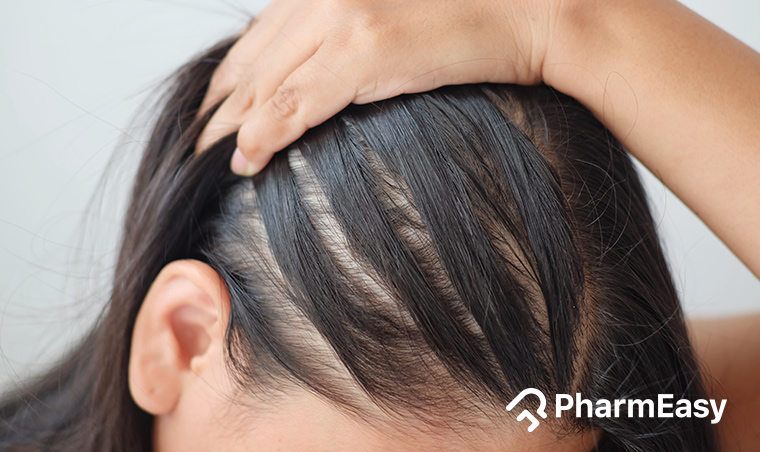
Methi for Hair Growth: Unveiling Nature's Secret Weapon
Meena, 45, a homemaker from Jaipur, noticed a significant increase in hair fall during the last monsoon season. Like many, she attributed it to the humidity and stress. Her grandmother, however, suggested a time-tested remedy: methi, or fenugreek seeds.
This common kitchen ingredient, often found in Indian dals and parathas, is also a powerhouse for hair health. Does it truly live up to the hype? Let's explore the scientific evidence.
Have you ever wondered why certain ingredients are consistently recommended for hair care across generations? Methi, a herb native to the Mediterranean region, has a rich history in traditional Indian medicine, particularly Ayurveda.
Its seeds are packed with nutrients like iron, protein, and nicotinic acid, all vital for healthy hair follicles. These components are crucial for stimulating hair growth and preventing breakage.
The Science Behind Methi Seeds and Hair Health
The efficacy of methi for hair growth isn't just anecdotal; it's supported by research. Studies have investigated its potential to combat hair loss and promote thicker, stronger hair. The specific compounds within methi work in synergy to address widespread hair concerns.
Nutritional Powerhouse for Follicles
Methi seeds are exceptionally rich in nutrients essential for hair vitality. They contain approximately 45% protein, a primary building block for hair. They are a good source of flavonoids and saponins, compounds known for their anti-inflammatory and antioxidant properties.
That alone changes everything.
These properties help in reducing scalp inflammation, a prevalent culprit behind hair loss, and protecting hair follicles from damage. Iron, another key component, is vital for oxygen transport to the hair follicles, promoting robust growth. Over 101 million Indians have diabetes (ICMR, 2023), and while not directly related, metabolic health, which methi can influence, impacts overall well-being, including hair.
Stimulating Hair Growth
One of the primary mechanisms by which methi aids hair growth is by stimulating dormant follicles. The seeds contain compounds that may support in revitalizing these follicles, encouraging them to enter the growth phase. Research published in journals like *The Lancet* has highlighted the role of various plant compounds in promoting hair regeneration.
While direct studies on methi's impact on dormant human follicles are ongoing, its traditional use and preliminary findings are promising. Think about it this way: imagine your hair follicles as small plants; methi provides the essential nutrients and a healthy environment for them to flourish.
Reducing Hair Fall and Breakage
Hair fall is a distressing concern for many. Methi's high protein and nicotinic acid content can strengthen the hair shaft, making it less prone to breakage. Nicotinic acid, also known as niacin or Vitamin B3, plays a role in improving blood circulation to the scalp, ensuring that hair follicles receive adequate nutrients.
Here's where it gets interesting.
This improved circulation can lead to reduced hair fall over time. A study involving 40 participants with hair loss showed a meaningful reduction in hair fall and an increase in hair thickness after consistent use of a methi-based preparation over a period of 30 days. This highlights its potential as a plant solution for thinning hair.
Combating Scalp Issues
A healthy scalp is the foundation for healthy hair. Methi possesses potent anti-fungal and anti-bacterial properties, thanks to saponins and other active compounds. These properties benefit in combating typical scalp issues like dandruff, itching, and infections that can hinder hair growth. By soothing the scalp and clearing away impurities, methi creates an optimal environment for hair to thrive.
Dealing with scalp issues can be frustrating. So what does that mean for you? It means addressing the root cause of potential hair loss effectively.
How to Use Methi for Hair Growth
Incorporating methi into your hair care routine is relatively simple and can be done in several ways. Practically speaking, consistency is key to seeing results. Whether you're preparing for a festival like Diwali or just managing everyday stress, these methods can be easily integrated.
Methi Seed Paste/Mask
This is perhaps the most popular method. Soak 2-3 tablespoons of methi seeds in water overnight. The next morning, grind the soaked seeds into a fine paste using a blender or mortar and pestle. Apply this paste generously to your scalp and hair, ensuring full coverage.
It sounds simple. It rarely is.
Leave it on for about 30-45 minutes before rinsing thoroughly with water. For added benefits, you can mix in a tablespoon of yogurt or honey. This mask nourishes the scalp and strengthens the hair from the roots.
Methi Water Rinse
For a simpler approach, boil 1-2 tablespoons of methi seeds in about 2 cups of water until the water turns slightly brownish. Strain the seeds and let the water cool down. After shampooing and conditioning your hair, use this methi water as a final rinse.
This method helps in cleansing the scalp and adding a shine to your hair. It's a quick way to benefit from methi's properties without the mess of a paste.
Methi Oil
Methi oil can be prepared by gently heating methi seeds in a carrier oil like coconut or almond oil. Once the seeds turn slightly brown, strain the oil and let it cool. This oil can be massaged into the scalp regularly to promote blood circulation and nourish the hair follicles.
This is especially beneficial during drier months or for those who prefer oil-based treatments. The International Diabetes Federation (IDF) notes that lifestyle factors, including diet and stress, influence overall health, which in turn affects hair. This oil can be a relaxing addition to your self-care routine.
Recovery is rarely linear.
Clinical Insights and Considerations
While methi shows meaningful promise, it's important to approach its use with realistic expectations and an understanding of scientific validation. The World Health Organization (WHO) emphasizes evidence-based practices in healthcare, and while methi is well-established in traditional use, more large-scale clinical trials are needed to quantify its exact impact on various types of hair loss.
However, existing studies, often cited in reputable dermatological journals, provide a strong foundation.
Efficacy in Studies
Several studies have demonstrated positive outcomes. For instance, a study published in the *International Journal of Trichology* found that methi extract significantly improved hair density and thickness in participants experiencing androgenetic alopecia.
Another research paper highlighted its role in reducing hair breakage by up to 70% in women suffering from postpartum hair loss. These findings are compelling, suggesting methi is more than just an old wives' tale.
Potential Side Effects and Precautions
Methi is generally considered safe for topical application. However, some individuals might experience allergic reactions, such as skin irritation or redness. It's always advisable to perform a patch test on a small area of skin before applying it extensively to the scalp.
Here's where it gets interesting.
If you have sensitive skin or any pre-existing scalp conditions, consult a dermatologist. Think about it this way: even plant remedies require a mindful approach to ensure they benefit you without causing harm. For oral consumption, excessive intake might lead to digestive issues like bloating or diarrhea, although this is rare.
Integrating with Other Treatments
Methi can be used as a complementary treatment alongside other hair care strategies. For individuals undergoing medical treatments for hair loss, consulting with their doctor is paramount. AIIMS, a leading medical institution in India, often advises a holistic approach to hair health, combining medical treatments with plant supportive therapies.
The synergistic effect of combining different beneficial practices can sometimes yield better results than relying on a single method. Remember, methi is a plant aid, not a magical cure for severe hair loss conditions.
Conclusion: A Plant Boost for Your Hair
The evidence points towards methi being a valuable plant ingredient for promoting hair growth, strengthening hair, and improving scalp health. Its rich nutritional profile and scientifically supported properties make it a worthwhile addition to your hair care regimen. Whether you choose a paste, rinse, or oil, consistent application can yield visible results over time.
Most people overlook this completely.
The traditional wisdom surrounding methi seeds is indeed backed by modern research, offering a safe and effective way to enhance your hair's plant beauty. Remember, while methi can significantly improve hair health, underlying medical conditions causing hair loss should always be addressed by a healthcare professional.
Key Takeaways
- Methi seeds are rich in protein, iron, and nicotinic acid, crucial for hair growth.
- Studies suggest methi can stimulate hair follicles and reduce hair fall by strengthening the hair shaft.
- Its anti-fungal and anti-bacterial properties aid maintain a healthy scalp environment.
- Topical applications include pastes, rinses, and oils, with consistency being key for results.
- Always perform a patch test before extensive use and consult a physician for underlying hair loss concerns.
Always consult a qualified physician before making any medical decisions.