Tired of Greasy Hair? Effective Home Remedies for an Oily Scalp
Meena, a 45-year-old homemaker from Jaipur, often felt embarrassed by her persistently slick hair. By lunchtime, her scalp would feel slick, and her hair would appear limp and lifeless, despite frequent cleansing. She'd tried countless shampoos, but nothing seemed to offer a lasting solution.
Like many in India, Meena's scalp concerns frequently intensified during the humid monsoon season, leading to feelings of self-consciousness. The reality is, an oily scalp is a widespread issue, affecting millions across the country, resulting not only in aesthetic concerns but also potential scalp well-being problems like dandruff and itching.
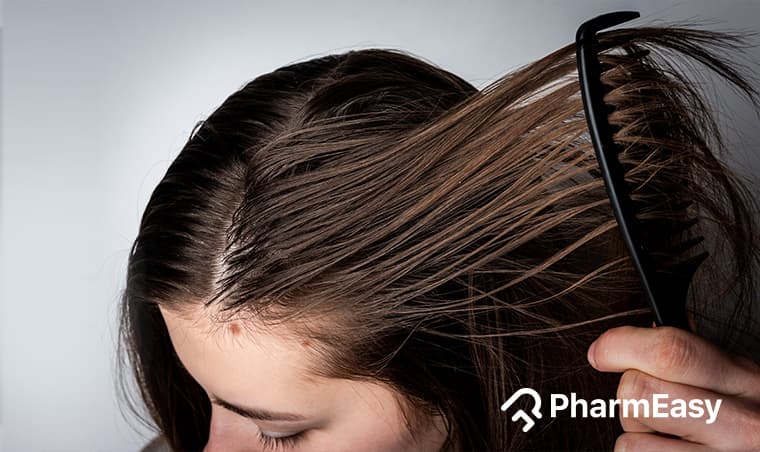
An oily scalp is primarily caused by overactive sebaceous glands, which produce an excess of sebum. This inherent oil is vital for lubricating the scalp and hair, but an overabundance can lead to that familiar greasy sensation. Consider it this way: your scalp is skin, and like any other skin, it has its own requirements and potential issues.
Several elements can contribute to this overproduction, including genetics, hormonal shifts (especially during adolescence, menstruation, or pregnancy), emotional strain, eating habits, and even certain medications. In India, where traditional diets can be rich and varied, dietary selections can also play a role. Some individuals observe that during festivals, when rich sweets and fried delicacies are prevalent, their scalp condition tends to flare up.
That's the part worth remembering.
Understanding the Causes of an Oily Scalp
Seborrheic dermatitis, a prevalent form of dandruff, is frequently associated with an oily scalp. The yeast Malassezia, which flourishes in oily environments, can irritate the scalp, leading to flaking and itching.
It's worth noting: Studies indicate that approximately 50% of adults experience dandruff at some point in their lives, with oily scalps being a significant contributing factor.
Hormonal fluctuations are a major contributor. During adolescence, the surge in androgens can stimulate the sebaceous glands. Similarly, hormonal changes during pregnancy or menopause can also impact sebum output. Stress is another notable trigger; the body's response to stress can indeed result in increased sebum production.
The hair care products we use also matter. Employing harsh shampoos that strip the scalp of all its inherent lipids can paradoxically prompt the glands to produce even more sebum to compensate. Excessive cleansing can have a similar effect. The crucial point here is — finding the correct equilibrium is essential for scalp well-being.
The Role of Diet and Lifestyle
What you consume can directly influence your skin and scalp well-being. A diet abundant in refined carbohydrates, sugar, and unhealthy fats may worsen oiliness. Conversely, a balanced diet rich in fruits, vegetables, lean proteins, and whole grains can aid in regulating sebum output.
That's the part worth remembering.
Ensuring adequate intake of vitamins (particularly B vitamins) and minerals like zinc is also advantageous. The Indian Council of Medical Research (ICMR) frequently emphasizes the importance of balanced nutrition for overall vitality, which certainly extends to scalp maintenance.
Lifestyle elements are equally meaningful. Regular physical activity can enhance circulation, which benefits the scalp, but it's essential to cleanse your hair after a sweaty workout to prevent the accumulation of sebum and grime.
Exposure to environmental pollutants in urban Indian settings can also contribute to scalp problems by obstructing pores and irritating the skin. Sitting on the floor, a common practice in many Indian homes, can sometimes expose the scalp to more dust and allergens if the floor isn't maintained cleanly, although it's generally not a direct cause of greasiness.
impactful Home Remedies for Oily Scalp and Hair
Fortunately, several intrinsic ingredients readily found in Indian kitchens can effectively manage an oily scalp. These remedies function by absorbing excess sebum, balancing sebum output, and calming the scalp.
That alone changes everything.
1. Apple Cider Vinegar (ACV) Rinse
Apple cider vinegar possesses astringent qualities that assist in purifying the scalp and balancing its pH level. Its acidity can help break down sebum buildup and diminish greasiness. Diluting ACV is paramount; using it undiluted can be overly harsh. A widespread preparation involves combining one part ACV with two to three parts purified liquid.
After shampooing and rinsing your hair thoroughly, apply the diluted ACV solution to your scalp and hair. Allow it to remain for a couple of minutes before rinsing completely with cool liquid. Repeat this process once or twice weekly.
2. Aloe Vera Gel
Aloe vera is celebrated for its soothing and anti-inflammatory characteristics. It can assist calm an irritated scalp and control excessive sebum output without depleting the hair of its inherent moisture. Apply fresh aloe vera gel directly to your scalp and hair roots.
Leave it on for approximately 30-45 minutes before cleansing it off with a mild shampoo. This intrinsic remedy can be applied two to three times per week for optimal outcomes.
3. Fuller's Earth (Multani Mitti) Pack
Multani mitti, a cornerstone in many Indian beauty regimens, is an exceptional absorbent for excess sebum and impurities. It aids in deeply cleansing the scalp and unblocking hair follicles. Mix Multani mitti with rose water or plain liquid to create a smooth paste.
This is where most patients struggle.
Apply this paste uniformly to your scalp, avoiding the hair strands. Allow it to dry for about 15-20 minutes, then rinse thoroughly with lukewarm liquid. use this pack once per week.
4. Fenugreek Seeds (Methi)
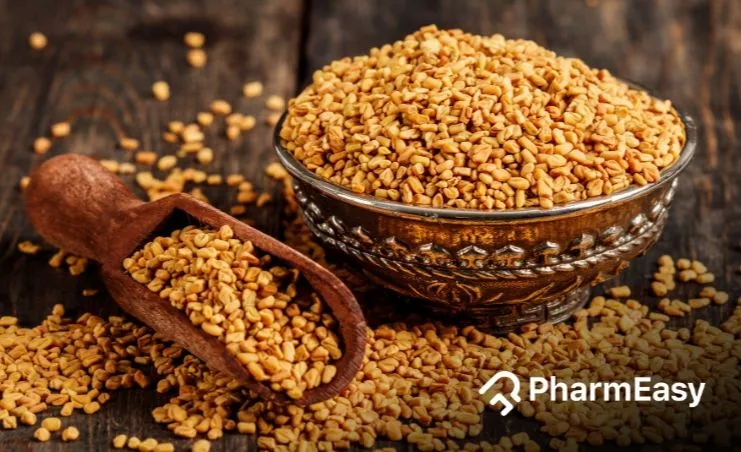
Fenugreek seeds are rich in proteins and nicotinic acid, which are recognized for fortifying hair follicles and preventing hair loss, often associated with oily scalps. They also possess antifungal and antibacterial properties. Soak two tablespoons of fenugreek seeds in purified liquid overnight.
Grind them into a fine paste in the morning. Apply this paste to your scalp and hair, leaving it on for approximately 30 minutes before cleansing. This remedy is beneficial when used weekly.
5. Lemon Juice (Use with Caution)
Lemon juice contains citric acid, which can assist in reducing greasiness and imparting shine to the hair. However, it is highly acidic and can render the scalp susceptible to sunlight. Therefore, it should be employed sparingly and always diluted. Combine the juice of half a lemon with a cup of purified liquid.
Apply to the scalp after shampooing and rinse thoroughly. Avoid direct sun exposure immediately after using lemon juice. Owing to its potential for irritation, many opt for alternative solutions. The World Health Organization (WHO) advises prudence with highly acidic topical applications without proper dilution and preliminary skin testing.
6. Baking Soda Rinse
Baking soda can function as a gentle exfoliant and assist in neutralizing scalp odors and excess sebum. Mix one tablespoon of baking soda with sufficient purified liquid to form a paste. Gently massage this paste onto your damp scalp for a minute or two, then rinse thoroughly.
Here's where it gets interesting.
Follow up with a conditioner, as baking soda can be drying. Employ this remedy no more than once per week.
7. Neem Hair Pack
Neem is a potent antifungal and antibacterial agent, ideal for addressing scalp conditions like dandruff and infections that may accompany oily scalps. Boil a handful of neem leaves in purified liquid, allow it to cool, then strain. Use this neem liquid as a final rinse after shampooing.
Alternatively, you can create a paste from dried neem powder and liquid and apply it to your scalp for 20 minutes before cleansing. Neem's effectiveness in combating scalp infections is well-documented in traditional Indian medicinal practices.
8. Green Tea Rinse
Green tea contains antioxidants and tannins that can aid diminish sebum output and soothe the scalp. Brew a strong cup of green tea, allow it to cool completely, then use it as a final rinse after cleansing your hair. Regular application can contribute to a less oily scalp over time.
Lifestyle Adjustments for Managing Oily Hair
Beyond home remedies, certain lifestyle modifications can significantly impact scalp greasiness. What should you actually do? Implementing these adjustments can augment topical treatments for a more holistic strategy.
Recovery is rarely linear.
Proper Hair Washing Techniques
Cleansing your hair too frequently can strip away inherent lipids, prompting your scalp to generate more. Conversely, insufficient cleansing allows sebum and grime to accumulate. Discover an equilibrium that suits you, typically every other day or every third day, contingent on your greasiness level.
When you cleanse, concentrate the shampoo on the scalp, massaging gently, and permit the lather to flow down the hair strands. Rinse thoroughly with lukewarm or cool liquid, as hot liquid can stimulate sebum glands.
Choosing the Right Hair Products
Steer clear of heavy, lipid-based conditioners and styling aids, particularly near the roots. Select lightweight, volumizing shampoos and conditioners formulated for oily hair.
Look for components like tea tree oil, salicylic acid, or clay, which can aid in managing sebum. If you are utilizing serums or heat protectants, apply them solely to the mid-lengths and ends of your hair, completely avoiding the scalp.
Brushing Habits
While brushing distributes inherent lipids, excessive brushing can stimulate sebum production and spread sebum down the hair shaft, causing it to appear greasy more rapidly. Brush your hair gently and only as needed for detangling. Ensure your hairbrushes are clean, as soiled brushes can transfer sebum and product residue back onto your scalp.
This is where most sufferers struggle.
Dietary Considerations
As previously mentioned, a balanced diet is fundamental. Reduce your consumption of fried foods, sugary beverages, and processed snacks. Increase your intake of fresh fruits, vegetables, nuts, and seeds.
Adequate hydration is also vital; drinking plenty of purified liquid helps maintain overall skin and scalp well-being. The Lancet has published numerous studies linking dietary quality to skin conditions, underscoring the importance of internal vitality for external appearance.
Stress Management
Chronic stress can have detrimental effects on your body, including your scalp. Integrate stress-alleviating activities into your routine, such as yoga, meditation, deep breathing exercises, or spending time in nature.
Even 15-20 minutes of daily practice can yield a difference. The Institute for Mental Health (IMH) in India frequently emphasizes the mind-body connection for comprehensive well-being.
Environmental Factors
Shield your hair from pollution and excessive heat. Wearing a scarf or hat when outdoors can enable protect your scalp from environmental aggressors.
Ensure your living and working spaces are well-ventilated. The Indian Institute of Technology (IIT) has investigated the impact of urban pollution on well-being, highlighting the necessity for protective measures.
Most people overlook this completely.
When to Seek Professional aid
While home remedies and lifestyle modifications can be highly powerful, persistent or severe greasiness, accompanied by major itching, inflammation, or hair loss, warrants a consultation with a dermatologist or trichologist. These indications could suggest an underlying medical problem, such as a fungal infection or a hormonal imbalance, that necessitates professional diagnosis and treatment.
For instance, the International Diabetes Federation (IDF) points out how hormonal imbalances can influence various bodily functions, including skin and hair vitality. Occasionally, what appears to be simple greasiness might be a manifestation of something more intricate.
Over 70 million Indians experience various scalp conditions, including severe seborrheic dermatitis, according to recent health assessments. Early intervention by a specialist can prevent further complications and ensure scalp vitality.
A medical practitioner can also recommend specific medicated shampoos or therapies tailored to your individual requirements.
Key Takeaways
- An oily scalp stems from overactive sebaceous glands, influenced by genetics, hormones, stress, and diet.
- Intrinsic remedies like Aloe Vera, Multani Mitti, and Fenugreek can absorb excess sebum and soothe the scalp.
- Apple Cider Vinegar and Green Tea rinses aid in balancing scalp pH and reducing greasiness.
- Lifestyle adjustments, including appropriate hair cleansing, diet, and stress management, are vital for long-term regulation.
- Consult a dermatologist if greasiness is severe, ongoing, or accompanied by other worrisome signs like itching or hair loss.
Always seek guidance from a qualified physician before making any health-related decisions.