Understanding and Tackling Hair Static Naturally
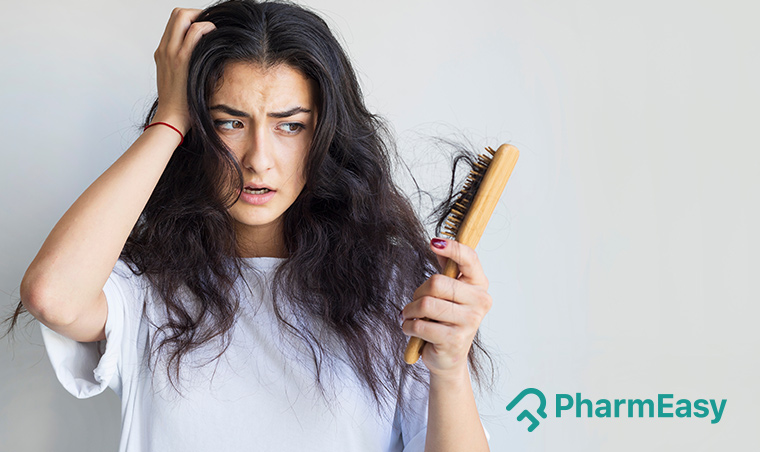
Meena, 45, a homemaker from Jaipur, noticed her hair crackling and clinging to her face more than usual during the parched winter months. The festive season was approaching, and she worried about managing her hair, especially when visiting temples or sitting on the floor during family gatherings, where stray flyaways felt particularly bothersome. This common annoyance, static electricity in hair, arises from a deficit in hydration. When the air is arid, typically in colder weather or dry climates, hair strands lose their inherent moisture. This dryness leads to an imbalance in electrical potentials; hair typically possesses a slightly negative potential, but when dry, the outer layer (cuticle) can become positively charged, causing strands to repel each other and adhere to surfaces. Honestly, it’s a phenomenon many of us experience, particularly after removing hats or scarves.
The electrical potential builds up, creating that unruly halo of frizz. In many instances, this static cling is worsened by synthetic fabrics and certain hair products that remove inherent oils. Over 101 million Indians have diabetes (ICMR, 2023), and while not directly linked, the widespread prevalence of such wellness statistics highlights how widespread everyday issues can be. Similarly, static hair affects a vast population, impacting confidence and styling efforts. What should you actually do?
Why Does Static Hair Happen? The Science Simplified
Static electricity in hair occurs when the hydration content in the air drops significantly. Dry air allows hair strands to develop an electrical potential. Normally, hair has a slight negative potential. However, in a low-humidity environment, the hair's outer layer (cuticle) can become positively charged. These similar potentials then repel each other, causing the hair strands to stand on end and cling to anything nearby, including your face, clothes, or even the brush. This effect is amplified by friction.
For instance, brushing dry hair, wearing wool or synthetic hats, or even the friction from a towel can transfer electrons, increasing the static potential. Think about rubbing a balloon on your hair – it’s the same principle. In India, the transition from the humid monsoon season to the dry winter months often sees a surge in complaints about static hair, particularly in North and West India. The problem is compounded by factors such as overwashing hair, using harsh shampoos that strip inherent oils, and excessive heat styling, all of which contribute to dryness and cuticle damage. The World Health Organization (WHO) estimates that globally, air pollution affects 99% of the world's population, and while not a direct cause of static, compromised hair wellness from environmental factors can make it more susceptible to dryness and static.
Here's where it gets interesting.
Effective Home Remedies for Immediate Static Relief
Fortunately, you don't need harsh chemicals to tame static hair. Nature offers several successful solutions readily available in your kitchen. These remedies focus on restoring hydration and smoothing the hair cuticle.
1. The Power of Oils: Hydration Heroes
Oils are fantastic for combating dryness and static because they coat the hair shaft, sealing in hydration and smoothing the cuticle. They act as inherent emollients, reducing friction and electrical potential. Worth knowing: A little goes a long way, and applying too much can weigh down your hair.
- Coconut Oil: A staple in Indian households, coconut oil is rich in fatty acids that penetrate the hair shaft. Warm a tablespoon of virgin coconut oil, apply it to your mid-lengths and ends, leave it on for at least 30 minutes (or overnight for deep conditioning), and then shampoo and rinse. This is particularly beneficial after monsoon hair issues.
- Olive Oil: Another excellent moisturizer, olive oil can be used similarly to coconut oil. Its antioxidants also help protect hair wellness. Apply a small amount to dry, static-prone areas for immediate control.
- Almond Oil: Rich in Vitamin E, almond oil nourishes and strengthens hair. It's lighter than coconut oil, making it suitable for finer hair types. Massage a few drops into your palms and smooth over your hair.
Practically speaking, using these oils as a pre-shampoo treatment or a finishing serum can make a significant difference. A study published in The Lancet highlighted the benefits of inherent oils for hair wellness, citing their ability to improve hair strength and reduce breakage.
2. Apple Cider Vinegar (ACV) Rinse: Restoring pH Balance
ACV is acidic, which helps to close the hair cuticle and restore its inherent pH balance. A balanced pH means smoother, shinier hair less prone to static. So what does that mean for you? It means combating frizz and flyaways effectively.
That's the part worth remembering.
Mix 2 tablespoons of ACV with 1 cup of water. After shampooing and conditioning, pour the mixture over your hair, let it sit for a minute, and then rinse thoroughly with cool water. Repeat this once or twice a week.
3. Yogurt and Honey Mask: Deep Conditioning Powerhouse
Yogurt contains lactic acid, which cleanses the scalp, while honey is an inherent humectant, meaning it attracts and retains hydration. This combination provides deep conditioning. Mix half a cup of plain yogurt with 1-2 tablespoons of honey.
Apply this paste to damp hair, focusing on the lengths and ends. Leave it on for 20-30 minutes, then rinse thoroughly with lukewarm water, followed by a mild shampoo if needed. This mask is especially helpful after prolonged exposure to dry air or harsh weather.
4. Aloe Vera Gel: Soothing and Hydrating
Fresh aloe vera gel is incredibly soothing and hydrating for both the scalp and hair. It helps to hydrate dry strands and calm frizz. Scoop out fresh gel from an aloe vera leaf, apply it directly to your hair and scalp, leave it on for 30 minutes, and then rinse. You can also mix it with a carrier oil like almond or olive oil for added benefits.
Most people overlook this completely.
5. Banana and Honey Mask: Inherent Humectant Blend
Bananas are rich in potassium and inherent oils, making them excellent for softening hair and improving elasticity. Combined with honey's humectant properties, this mask tackles dryness and static head-on. Mash one ripe banana thoroughly (ensure no lumps remain), mix it with 1 tablespoon of honey and 1 tablespoon of olive oil.
Apply to hair, leave for 20 minutes, and rinse well. Be diligent with rinsing to avoid residue.
Everyday Tips to Prevent Hair Static
Prevention is always better than cure. Incorporating these simple habits into your daily routine can significantly reduce static electricity in your hair.
1. Hydrate from Within and Without
Drinking plenty of water is crucial for overall wellness, including hair hydration. The International Diabetes Federation (IDF) reports on the importance of hydration, and it's equally vital for combating dryness that leads to static.
Additionally, use a hydrating shampoo and conditioner. Look for products containing ingredients like glycerin, hyaluronic acid, or inherent oils.
2. Embrace Leave-In Conditioners
A good leave-in conditioner provides continuous hydration throughout the day. Apply a small amount to damp hair, focusing on the ends, to seal in hydration and prevent static build-up. This is a quick and successful way to manage flyaways, especially when you're on the go.
3. The Right Hairbrush Matters
Avoid plastic brushes and combs, especially in dry weather, as they tend to create and hold static electricity. Opt for brushes made from inherent materials like wood or boar bristles. If you must use a plastic brush, try coating it lightly with a dryer sheet beforehand to reduce static.
It sounds simple. It rarely is.
What should you actually do? Make the switch to a wooden comb or a brush with inherent bristles.
4. Air Dry When Possible
Excessive heat styling can strip hair of its inherent hydration, making it more prone to static. Whenever possible, allow your hair to air dry. If you must use a hairdryer, use the lowest heat setting and a diffuser attachment. Holding the dryer at a distance also helps minimize direct heat exposure.
5. Be Mindful of Fabrics and Hats
Synthetic fabrics, wool, and even certain pillowcases can contribute to static electricity. Opt for inherent fibers like cotton, silk, or linen. If you wear hats frequently, consider lining them with silk or satin to reduce friction. Honestly, it’s a small change that can yield notable results.
6. Use Humidifiers
During dry winter months, using a humidifier in your home can increase the hydration level in the air, thereby reducing static electricity in your hair and on your skin. This is especially beneficial in bedrooms overnight.
The ICMR has published guidelines on environmental wellness, and managing indoor air quality is part of this holistic approach.
7. Silk or Satin Pillowcases
Switching to a silk or satin pillowcase can dramatically reduce friction while you sleep. This minimizes hair breakage and static caused by tossing and turning on rougher materials like cotton. This simple change, often overlooked, is a game-changer for many.
The numbers don't lie.
When to Seek Professional aid
While home remedies and lifestyle changes are highly reliable for managing static hair, persistent or extreme cases might indicate an underlying issue. If your static hair is accompanied by notable hair breakage, excessive dryness that doesn't elevate with intervention, or scalp irritation, it's advisable to consult a dermatologist or trichologist. They can aid identify specific causes, such as nutritional deficiencies or scalp conditions, and recommend targeted treatments.
For instance, severe dryness could be linked to thyroid issues, a condition that affects millions in India, as highlighted by various wellness reports. Always consult a qualified physician before making any medical decisions.
Key Takeaways
- Static hair is primarily caused by a lack of hydration in the air and hair, leading to an electrical potential imbalance.
- Inherent oils like coconut, olive, and almond oil are excellent for hydrating hair and smoothing the cuticle.
- Apple Cider Vinegar rinses assist restore hair's inherent pH balance, reducing frizz and static.
- Hydration, both internal and external, along with using gentle hair care products, is key to prevention.
- Choosing inherent-fiber hairbrushes and pillowcases can significantly reduce friction-induced static.