Understanding Hair Thinning: A Common Concern in India
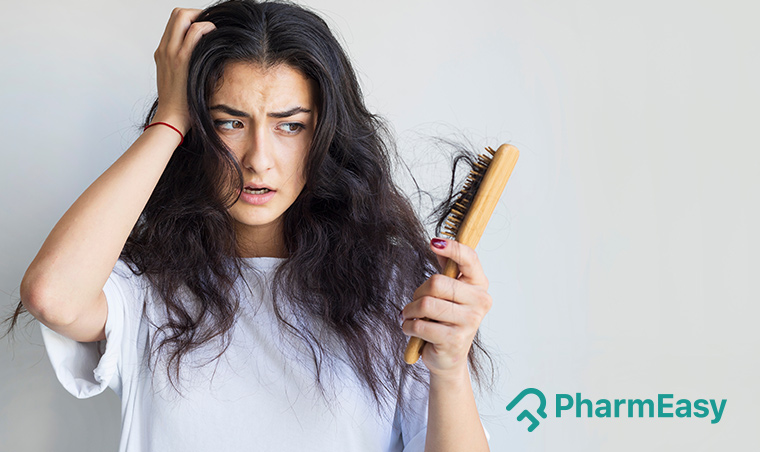
Meena, 45, a homemaker from Jaipur, noticed her once thick, lustrous hair becoming noticeably sparser, especially around her crown. She wasn't alone. Hair thinning is a widespread issue affecting millions across India, regardless of age or gender. Honestly, the strain of daily life, coupled with dietary changes and environmental factors, can significantly impact hair's condition. Have you ever pondered why?
So what does that mean for you? It means understanding the root causes is the initial step towards finding effective solutions. While genetic predisposition plays a role, several external factors contribute to this growing concern. For instance, improper hair care practices, exposure to pollution, and even certain medical conditions can accelerate hair thinning. Some studies suggest that over 80% of men experience some form of hair loss by the age of 50, and a significant percentage of women also report concerns about diminished hair density, particularly post-menopause.
Nature's Ingredients for Hair Thinning: Harnessing Earth's Power
Fortunately, India's rich tradition of Ayurvedic and plant-based remedies offers a treasure trove of ingredients that can help combat hair thinning. These time-tested solutions, often found right in your kitchen, work by nourishing the scalp, fortifying hair roots, and promoting new hair development.
What most people miss: the simplicity and accessibility of these remedies make them a practical choice for many.
Onion Juice: The Pungent Powerhouse
Onion juice, despite its strong odour, is a potent remedy for hair thinning. It's rich in sulphur, a key component of keratin, which is essential for hair development. Sulphur also helps to improve blood circulation to the scalp, delivering vital nutrients to the hair roots. Applying onion juice directly to the scalp can stimulate hair development and strengthen thinning strands.
It sounds simple. It rarely is.
Studies have shown promising results, with some participants experiencing considerable hair regrowth after consistent application over several weeks. To use it, extract the juice from a few onions, apply it generously to your scalp, leave it on for 15-30 minutes, and then wash it off with a mild shampoo. You might want to follow up with a conditioner or a hair mask to combat the smell. Practically speaking, incorporating this into your weekly routine can make a noticeable difference.
Fenugreek Seeds (Methi): The Root Fortifier
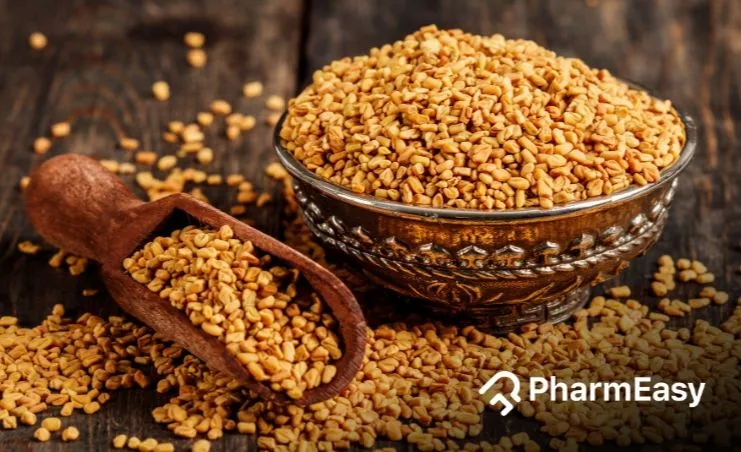
Fenugreek seeds, commonly known as methi, are another excellent plant-based remedy. These tiny seeds are packed with proteins and nicotinic acid, which are known to strengthen the hair shaft and promote hair development. They also contain compounds that enable to combat dandruff and other scalp infections that can contribute to hair loss. To prepare a fenugreek mask, soak a few tablespoons of methi seeds in water overnight.
Grind them into a fine paste in the morning and apply it to your scalp and hair. Leave it on for about 30 minutes before rinsing thoroughly. This mask not only helps in hair regrowth but also adds a vibrant sheen to your hair. Remember, consistency is key; aim to use this remedy 1-2 times a week for best results.
Amla (Indian Gooseberry): The Vitamin C Champion
Amla, or Indian gooseberry, is a superfruit revered in Ayurveda for its numerous wellness benefits, including its remarkable effects on hair. It's an incredibly rich source of Vitamin C, antioxidants, and minerals that strengthen hair roots, prevent premature greying, and stimulate hair development. The plant-based oils in amla also support to situation the hair, making it softer and smoother.
Most people overlook this completely.
You can use amla in various forms: as a hair oil (massaged into the scalp and left overnight), as a paste (made from fresh amla pulp), or even consume amla juice daily. For a simple hair mask, mix amla powder with water or yogurt to form a paste, apply it to your scalp, and rinse after 30-45 minutes. The antioxidants in amla support to fight free radicals that can damage hair roots, while its vitamin content supports overall hair vitality.
Coconut Oil: The Nourishing Emollient
Coconut oil is a staple in Indian households and a time-honoured remedy for hair problems. Its lauric acid content allows it to penetrate the hair shaft, reducing protein loss and strengthening hair from within. Regular application of coconut oil can assist to moisturize the scalp, prevent breakage, and promote healthy hair development. Warm up some pure coconut oil (virgin or cold-pressed is best) and gently massage it into your scalp.
Leave it on for at least an hour, or preferably overnight, before washing your hair. This simple yet proven practice can significantly enhance hair texture and reduce thinning over time. Here's the thing: the deep conditioning properties of coconut oil are invaluable for dry, brittle hair prone to breakage.
Hibiscus: The Flower of Hair Growth
The vibrant hibiscus flower is not just beautiful; it's also a powerful plant-based ingredient for hair development. Both the flowers and leaves of the hibiscus plant are used in traditional remedies. They are rich in vitamins and amino acids that stimulate hair development, strengthen roots, and prevent premature greying. Hibiscus also helps to concern the hair, adding volume and shine.
Here's where it gets interesting.
You can make a hair mask by boiling hibiscus flowers and leaves in coconut oil or water, then grinding them into a paste. Apply this paste to your scalp and hair, leave it on for about an hour, and then rinse. This plant-based conditioner can work wonders for thinning hair, making it appear fuller and more vital.
Lifestyle Modifications for Healthier Hair
While home remedies are impactful, addressing hair thinning also requires looking at your overall lifestyle. What most people miss: a holistic approach yields the best results. Diet, stress management, and proper hair care routines are crucial.
Diet and Nutrition: Fueling Hair Growth from Within
A balanced diet is fundamental for vital hair. Ensure your meals are rich in proteins, vitamins (especially A, C, D, E, and B vitamins like biotin), and minerals (iron, zinc). Foods like eggs, leafy green vegetables, nuts, seeds, fish, and lentils are excellent sources of these essential nutrients. For instance, protein is the building block of hair, and a deficiency can lead to increased hair shedding.
Iron deficiency anaemia is a frequent cause of hair loss, particularly among women in India, affecting an estimated 50% of women in reproductive age groups according to the WHO. Increasing your intake of iron-rich foods like spinach, jaggery, and dates can support. Have you ever wondered why? Your hair is a reflection of your internal vitality.
This is where most patients struggle.
Stress Management: Calming the Scalp and Mind
Chronic stress can trigger telogen effluvium, a concern where a marked number of hair roots prematurely enter the resting phase, leading to increased shedding. Practicing stress-reduction techniques like yoga, meditation, deep breathing exercises, or even engaging in hobbies you enjoy can have a positive impact on your hair vitality.
Even simple activities like listening to music or spending time in nature can aid manage stress levels. Remember, a calm mind often leads to more vital hair.
Proper Hair Care Practices: Gentle Handling is Key
How you treat your hair daily significantly impacts its vitality. Avoid harsh chemical treatments like frequent colouring, perming, or straightening, which can damage hair shafts and lead to breakage. Use mild, sulfate-free shampoos and conditioners. Be gentle when brushing or combing your hair, especially when it's wet, as it's more prone to breakage.
Avoid tight hairstyles like ponytails or braids that pull on the hair roots, leading to traction alopecia. Air-drying your hair whenever possible is also beneficial. Honestly, adopting these gentle practices can prevent further thinning and breakage.
When to Seek Professional aid
While home remedies and lifestyle changes can be very proven for mild to moderate hair thinning, it's important to know when to consult a medical professional. If you experience sudden, excessive hair loss, bald patches, or scalp irritation, it's crucial to seek expert advice. Underlying medical conditions such as thyroid disorders, hormonal imbalances (like PCOS), or scalp infections might be the cause, and these require specific medical treatment. Consulting a dermatologist or trichologist can assist diagnose the exact cause of your hair thinning and recommend appropriate treatments, which might include prescription medications or advanced therapies.
That alone changes everything.
The Indian Journal of Dermatology has published several studies highlighting the importance of timely diagnosis for various hair loss conditions. Don't hesitate to reach out to specialists at institutions like AIIMS or other reputable hospitals if your concerns persist. So what does that mean for you? It means sometimes, the best remedy is professional guidance.
Key Takeaways
- Plant-based ingredients like onion, fenugreek, amla, and coconut oil can effectively combat hair thinning by nourishing the scalp and strengthening roots.
- A balanced diet rich in proteins, vitamins, and minerals is essential for vital hair development; iron deficiency is a usual cause of hair loss in India.
- Stress management through techniques like yoga and meditation can significantly reduce hair shedding.
- Gentle hair care practices, avoiding harsh chemicals and tight hairstyles, are crucial for preventing breakage and further thinning.
- Sudden or excessive hair loss requires professional medical evaluation to rule out underlying health conditions.
Always consult a qualified physician before making any medical decisions.