Tackling Unruly Hair: A Doctor's Guide to Home Remedies
Meena, a 45-year-old homemaker from Jaipur, frequently battled unmanageable flyaways, particularly following the monsoon season. Her hair, once sleek, would transform into a cloud of wisps, turning styling into a daily ordeal.
Like many across India, she juggled domestic responsibilities with a desire for smooth, healthy hair, often feeling disheartened by the absence of practical, accessible answers. Have you ever pondered why hair becomes so unruly in the first place?
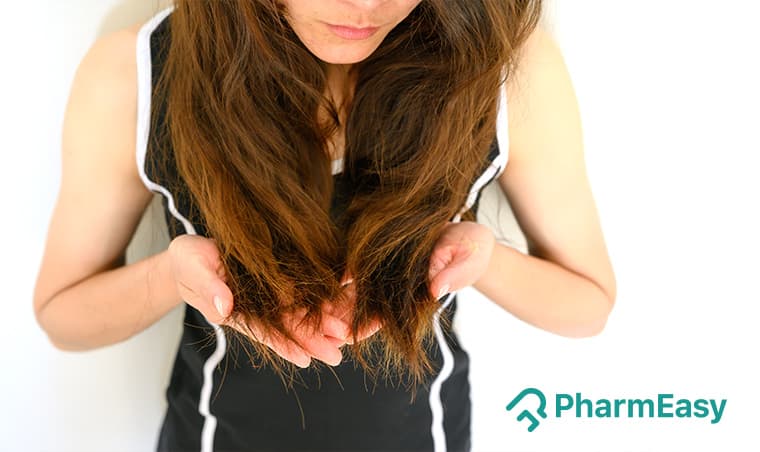
Flyaways are essentially the hair's response to insufficient hydration. When the outermost layer of the hair shaft, the cuticle, is lifted or irregular, it allows atmospheric water vapor to enter the hair, prompting it to expand and appear frizzy.
This condition can be amplified by genetics, atmospheric dampness, thermal styling, chemical treatments, and even your drying techniques. Truly, grasping the fundamental reason is the initial stride towards effective management.
This is where most patients struggle.
Understanding the Science Behind Unruly Hair
The hair shaft comprises three distinct layers: the cuticle (the exterior), the cortex (the central layer, responsible for resilience and pigment), and the medulla (the innermost part, often absent in finer strands). The cuticle is formed from overlapping scales, akin to shingles on a roof.
When these scales lie flat and uniform, hair appears lustrous and feels soft. Conversely, when the cuticle is compromised or raised, atmospheric water readily penetrates the cortex, leading to swelling and that unmistakable unmanageable appearance.
Several elements contribute to cuticle damage and subsequent flyaways:
- Atmospheric Dampness: The primary instigator. High levels of humidity cause the hair shaft to absorb water vapor from the surroundings, resulting in expansion. Over 70% of India experiences monsoons, a period notorious for increased atmospheric dampness and hair manageability challenges.
- Dehydration: Counterintuitively, dry hair is more susceptible to flyaways because it actively seeks hydration from its environment. Excessive cleansing, harsh shampoos, and inadequate conditioning can strip essential lipids.
- Thermal Styling: Regular use of hairdryers, flat irons, and curling wands can compromise the cuticle, rendering it coarse and prone to lifting.
- Chemical Treatments: Coloring, perming, and straightening processes can alter the hair's composition and weaken the cuticle.
- Improper Hair Care: Rough towel-drying, vigorous brushing of damp hair, and employing harsh hair products can all contribute to flyaways.
What many overlook is the significance of gentle handling. The manner in which you interact with your hair daily profoundly influences its disorder and look.
successful Home Remedies for Unruly Hair
Fortunately, nature provides an abundance of elements that can help combat flyaways and restore hydration. These remedies are frequently gentler than commercial preparations and are readily found in Indian kitchens.
1. Coconut Oil: The Tropical Elixir
Coconut oil holds a central place in traditional Indian hair care practices. Its molecular makeup enables it to permeate the hair shaft, delivering profound conditioning and mitigating protein depletion.
That's the part worth remembering.
Scientific investigations have demonstrated coconut oil's effectiveness in enhancing hair resilience and reducing damage when contrasted with other oils.
Application: Gently warm 2-3 tablespoons of virgin coconut oil. Delicately massage it into your scalp and hair, ensuring complete coverage of all strands. Allow it to remain for a minimum of one hour, or ideally overnight. Rinse out using a mild shampoo. Undertake this treatment 1-2 times weekly. This regimen is particularly advantageous following intense summer heat or during the arid winter season.
2. Aloe Vera: Nature's Hydrator
Aloe vera is celebrated for its hydrating and calming attributes. Its gel contains vitamins, minerals, and amino acids that nourish the hair, aiding in smoothing the cuticle and retaining hydration. It can also assist in balancing the scalp's pH equilibrium.
Application: Extract fresh gel from an aloe vera leaf. Apply it directly to your hair, from root to tip. Let it sit for 30-45 minutes before rinsing with cool water. You can also incorporate a tablespoon of honey for augmented benefits. Performing this twice weekly can yield a perceptible improvement.
3. Yogurt and Honey Mask: The Power Duo
Yogurt, abundant in lactic acid, functions as a mild exfoliator for the scalp and aids in hydrating the hair shaft. Honey is a inherent humectant, meaning it draws atmospheric water vapor into the hair. Collectively, they form a potent anti-flyaway approach.
Application: Combine half a cup of plain yogurt with two tablespoons of honey. Apply liberally to damp hair. Cover your hair with a shower cap and leave the mask on for 30 minutes. Rinse thoroughly and follow with a mild shampoo. This mask excels at providing immediate smoothness. It’s a favored remedy, especially during festive periods when hair might be subjected to styling and environmental pollutants.
4. Fenugreek Seeds (Methi): The Ancient Secret
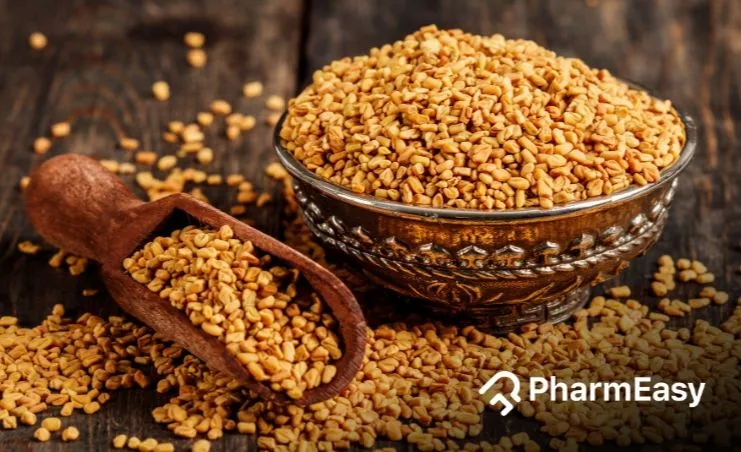
Fenugreek seeds are replete with proteins and nicotinic acid, recognized for their ability to strengthen hair and stimulate growth. Soaking them overnight and processing them into a paste creates a conditioning approach capable of taming flyaways and imparting luster.
Application: Immerse 2-3 tablespoons of fenugreek seeds in water overnight. Grind them into a fine paste the following morning. You may incorporate a small amount of coconut oil or yogurt into the paste. Apply to your hair and scalp, allow to rest for 30 minutes, then rinse thoroughly. use this remedy once weekly for optimal outcomes.
5. Avocado: The Healthy Fat Fix
Avocado is rich in beneficial fats, vitamins, and minerals that profoundly nourish and hydrate dry, unruly hair. Its creamy consistency renders it an excellent emollient.
Application: Mash one ripe avocado with one tablespoon of olive oil or coconut oil. Distribute the mixture throughout your hair, concentrating on the mid-lengths and ends. Leave it on for 20-30 minutes, then rinse and shampoo. This mask delivers intense hydration, ideal for hair that feels brittle.
Lifestyle Adjustments for Smooth Hair
While home remedies prove successful, enduring flyaway control necessitates adopting healthier hair care routines. What steps should you actually take beyond masks and oils?
1. Gentle Washing and Conditioning
Refrain from excessive hair washing, which depletes inherent oils. Aim for 2-3 cleansing sessions per week, contingent upon your hair type and lifestyle. Always follow shampooing with a conditioner, focusing on the ends.
That alone changes everything.
Consider shampoos free of sulfates, as sulfates can be harsh and dehydrating. Indian dermatologists frequently endorse this methodology.
2. The Art of Drying Your Hair
Aggressively drying your hair with a towel can generate friction and flyaways. Instead, gently press out excess water using a soft towel (microfiber towels are superb) or an old cotton t-shirt. Air-drying is preferable whenever feasible.
If blow-drying is necessary, use the lowest heat setting and a diffuser attachment. This straightforward alteration can significantly diminish flyaways.
3. Embrace Your Hair's Natural Texture
Constantly opposing your hair's inherent texture through thermal styling can result in damage. If you possess curly or wavy hair, explore products and techniques designed to accentuate your inherent pattern.
Accepting your texture can decrease reliance on heat and aggressive chemicals. It’s about working harmoniously with your hair, not against it.
4. Protect Your Hair at Night
Sleeping on a cotton pillowcase can induce friction, leading to flyaways. Consider transitioning to a silk or satin pillowcase. Alternatively, loosely braiding your hair or donning a silk cap can shield your strands overnight. This represents a minor adjustment with substantial benefits for hair smoothness.
5. Diet and Hydration Matter
Internal well-being is reflected in your hair. Ensure you are consuming ample water throughout the day. A balanced diet rich in vitamins (A, C, E), minerals (iron, zinc), and omega-3 fatty acids is vital for robust hair.
It sounds simple. It rarely is.
Foods such as almonds, walnuts, flaxseeds, and oily fish can contribute to hair vitality. The World Health Organization (WHO) consistently underscores the connection between nutrition and overall health, encompassing hair concern.
6. Humidity-Proofing Your Hair
During periods of high atmospheric dampness, consider employing leave-in conditioners or hair serums formulated to counteract flyaways. These preparations establish a barrier against ambient moisture. Certain traditional Indian practices involve applying a minimal quantity of hair oil to dry ends to smooth them, particularly during the monsoon.
When to Seek Professional support
While home remedies and lifestyle modifications are potent resources, persistent or severe flyaways may signal an underlying issue. If your flyaways are accompanied by excessive hair loss, breakage, or scalp discomfort, it is advisable to consult a specialist.
A dermatologist or trichologist can diagnose the cause and recommend specific interventions. Over 150 million Indians encounter various hair and scalp afflictions annually, underscoring the necessity for prompt medical consultation when issues persist (AIIMS data, estimated).
The numbers don't lie.
The crucial point is this — self-intervention without understanding the root cause can occasionally exacerbate the problem. A professional can provide targeted remedies, including prescription treatments or advanced therapies if warranted.
Key Takeaways
- Flyaways are predominantly caused by a deficit in hydration and damage to the hair cuticle.
- Naturally occurring elements such as coconut oil, aloe vera, yogurt, fenugreek, and avocado offer proven home-based treatments.
- Gentle hair care practices, encompassing appropriate cleansing, drying, and nocturnal safeguarding, are paramount.
- Internal well-being, through diet and fluid intake, plays a significant role in hair manageability.
- Consult a dermatologist for persistent or severe flyaways that might indicate an underlying concern.
Always seek the guidance of a qualified medical practitioner before making any health-related decisions.