Understanding Early Hair Whitening: Beyond Just Age
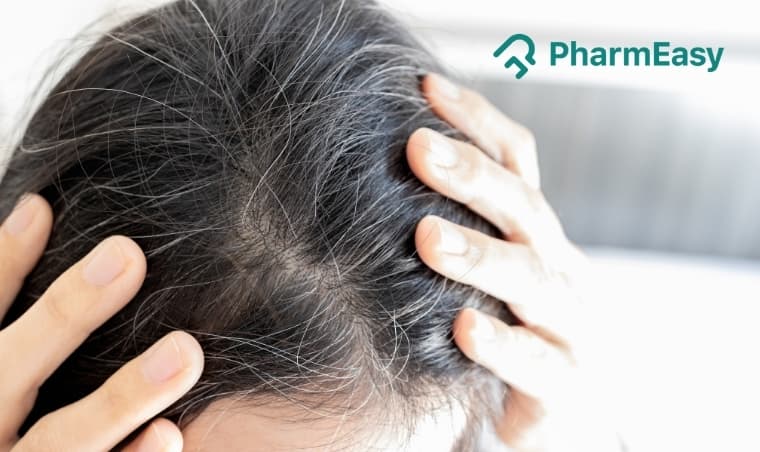
Meena, 45, a homemaker from Jaipur, noticed a few persistent strands of silver amidst her dark, thick hair about five years ago. Initially, she dismissed them as a sign of tension from managing her household and children. However, the silver hairs began to multiply rapidly, spreading across her scalp.
This phenomenon, known as premature hair whitening, affects a significant portion of the Indian population, often causing upset and impacting self-assurance. While silver hair is a natural element of ageing, its appearance before the age of 25-30 in men and 30-35 in women is considered early.
The reality is, while heredity plays a substantial role, several other elements contribute to the untimely loss of colour in our hair follicles. Have you ever pondered why? It boils down to a complex interplay of biological mechanisms, environmental influences, and lifestyle choices.
The Science Behind Hair Colour
Hair colour is determined by a pigment called melanin, produced by specialized cells called melanocytes located at the base of each hair follicle. These melanocytes produce two types of melanin: eumelanin (responsible for black and brown shades) and pheomelanin (responsible for red and blonde shades). The specific combination and amount of these melanins dictate the final colour of your hair.
That alone changes everything.
As we age, melanocytes naturally become less active, producing less melanin, leading to grey or silver hair. However, in premature hair whitening, this process is accelerated, or the melanocytes may even stop producing melanin altogether.
Key Causes of Early Silver Hair
1. Genetics: The Predominant Factor
If your parents or grandparents experienced premature hair whitening, there's a high probability you will too. Studies suggest that heredity accounts for approximately 60% of premature hair whitening cases. This inherited predisposition means your melanocytes might be programmed to start losing their pigment-producing ability earlier than usual.
The specific genes involved are still being researched, but their influence is undeniable. The age at which your ancestors started developing silver hair can often be a predictor for you.
2. Nutritional Deficiencies: A Critical Link
Our hair follicles require a steady supply of essential vitamins and minerals to maintain their vitality and pigment production. Deficiencies in certain nutrients can disrupt this process. Think about it this way: your body is like a factory, and these nutrients are the raw materials needed to produce hair colour.
- Vitamin B12: Crucial for cell production, including melanocytes. A deficiency, often seen in vegetarians and vegans who may not supplement adequately, can lead to premature hair whitening. Studies have linked low Vitamin B12 levels to an increased risk of early silver hair.
- Vitamin D: While its role in hair colour is less understood, some research suggests a correlation between Vitamin D deficiency and premature hair whitening. This vitamin is vital for many bodily functions.
- Minerals like Iron, Copper, and Zinc: Iron deficiency anaemia is a common cause of various hair problems, including premature hair whitening. Copper is essential for melanin production, and zinc plays a role in hair tissue growth and repair. Over 101 million Indians suffer from anaemia, a condition often linked to iron deficiency (ICMR, 2023).
3. Oxidative Imbalance: The Silent Culprit
Oxidative imbalance occurs when there's an imbalance between free radicals (unstable molecules that damage cells) and antioxidants (which neutralize them) in the body. Environmental factors like pollution, UV radiation, smoking, and even an unhealthy diet can increase free radical production. This can damage melanocytes, impairing melanin synthesis. Studies published in journals like The Lancet have highlighted the role of oxidative imbalance in various age-related conditions, including hair greying.
4. Medical Conditions: Underlying Issues
Certain medical conditions can trigger premature hair whitening:
- Thyroid Disorders: Both hypothyroidism (underactive thyroid) and hyperthyroidism (overactive thyroid) can disrupt hormone levels, potentially affecting melanin production and hair vitality.
- Autoimmune Diseases: Conditions like alopecia areata (which causes patchy hair loss) and vitiligo (a disorder causing loss of skin pigment) can sometimes be associated with premature hair whitening. The immune system mistakenly attacks the body's own cells, including melanocytes.
- Progeria: A rare genetic disorder characterized by the appearance of ageing in children, including premature hair whitening.
5. Tension: The Modern Epidemic
While the direct link between tension and hair turning silver overnight is largely a myth, chronic tension can indeed accelerate the whitening process. Intense or prolonged tension can lead to hormonal changes and increased oxidative imbalance, which, as discussed, impacts melanocytes.
That's the part worth remembering.
Practicing mindfulness, regular exercise, and seeking support can help manage tension levels. The World Health Organization (WHO) recognizes tension as a considerable public concern globally.
6. Lifestyle Choices: Smoking and Diet
Smoking is a major contributor to premature hair whitening. The toxins in cigarette smoke increase oxidative imbalance and can damage hair follicles.
Studies have shown a strong correlation between smoking and early onset of silver hair, with smokers being four times more likely to develop silver hair prematurely compared to non-smokers. Similarly, a diet lacking in essential nutrients and high in processed foods can contribute to deficiencies and oxidative imbalance.
7. Hair Products and Treatments
While less prevalent, harsh chemicals found in some hair dyes, bleaches, and styling products can potentially damage hair follicles and, in rare cases, contribute to pigment loss over time. It's advisable to use gentler products and perform patch tests.
Managing and Potentially Preventing Early Silver Hair
What should you actually do? While you cannot change your genes, you can take steps to mitigate other contributing factors.
Dietary Adjustments
Ensure your diet is rich in vitamins and minerals essential for hair vitality. Include plenty of fruits, vegetables, lean proteins, and whole grains.
Foods rich in Vitamin B12 (dairy, eggs, fortified cereals), iron (spinach, lentils, red meat), copper (nuts, seeds, dark chocolate), and zinc (oats, beans, nuts) are particularly beneficial. This is especially important during monsoon months when our bodies might feel depleted.
Tension Management Techniques
Incorporate tension-reducing activities into your daily routine. This could include yoga, meditation, deep breathing exercises, spending time in nature, or engaging in hobbies you enjoy. Finding healthy coping mechanisms is crucial.
The numbers don't lie.
Sound Lifestyle Habits
Quit smoking. If you smoke, seeking aid to quit is one of the best things you can do for your overall well-being and potentially for your hair colour. Maintain a balanced diet and ensure adequate hydration.
Medical Consultation
If you suspect a nutritional deficiency or an underlying medical disorder, consult your doctor. Blood tests can identify deficiencies or thyroid issues, which can then be treated with supplements or medication. Early diagnosis and treatment are key.
Hair Care Practices
Use mild shampoos and conditioners. Avoid excessive heat styling and harsh chemical treatments. Protect your hair from sun damage by wearing a hat or scarf when outdoors.
Practically speaking, addressing these lifestyle and dietary factors can significantly impact hair vitality and potentially slow down the whitening process. Remember that hair colour is a natural part of life, but understanding the causes of premature hair whitening empowers you to take proactive steps.
When to Seek Professional assist
If you notice a sudden or rapid onset of silver hair, especially if accompanied by other symptoms like hair loss, fatigue, or changes in skin or nails, it's crucial to consult a doctor. They can support rule out any underlying medical conditions.
That's the part worth remembering.
Remember, the International Diabetes Federation (IDF) highlights the importance of regular check-ups for managing various well-being aspects, and this applies to hair vitality too.
Key Takeaways:
- Heredity is the primary driver of premature hair whitening, accounting for up to 60% of cases.
- Nutritional deficiencies, particularly in Vitamin B12, iron, copper, and zinc, can contribute to early silver hair.
- Oxidative imbalance, caused by pollution, smoking, and poor diet, damages pigment-producing cells.
- Underlying medical conditions like thyroid disorders and autoimmune diseases are potential causes.
- Chronic tension and lifestyle choices like smoking can accelerate the whitening process.
Always consult a qualified physician before making any medical decisions.