Best Natural Solutions for Hair Growth: Promoting Thicker, Stronger Strands
Meena, 45, a homemaker from Jaipur, noticed her hair thinning significantly over the past year. The monsoon season always seemed to exacerbate her hair fall, leaving her worried and self-conscious. Like many women in India, she’s tried numerous salon treatments and expensive products with little success.
Have you ever wondered why hair fall seems so prevalent, especially during certain times of the year or after major life events? Understanding the underlying causes and exploring natural, accessible solutions can make a significant difference.
Hair loss is a widespread concern, affecting millions across India. While genetics and medical conditions play a role, lifestyle factors and inadequate nutrition are often key contributors.
Fortunately, several effective natural solutions, rooted in traditional Indian practices and supported by modern understanding, can promote hair growth and improve hair health. We'll explore these solutions, keeping in mind that consistency is crucial for visible results.
Understanding Hair Growth Cycles and Common Causes of Hair Loss
Before diving into remedies, it's essential to grasp the basics of hair growth. Each hair follicle goes through a cycle: anagen (growth phase), catagen (transitional phase), and telogen (resting phase).
Here's where it gets interesting.
Hair loss typically occurs when this cycle is disrupted, leading to more hairs entering the telogen phase prematurely or a shorter anagen phase. frequent culprits include stress, poor diet, hormonal imbalances, certain medications, and harsh hair care practices.
Honestly, the modern lifestyle, with its fast-paced demands and processed foods, often contributes to nutritional deficiencies that directly impact hair health. Stress, a constant companion for many, can trigger conditions like telogen effluvium, where a major number of hairs shift into the resting phase simultaneously.
In many cases, addressing these root causes is as important as applying topical solutions.
What most people miss: The scalp is skin, and like all skin, it requires proper nourishment and care to support healthy hair follicles. Environmental pollution and harsh weather conditions, particularly prevalent during India’s diverse climatic shifts, can also damage hair shafts and scalp health.
Nutritional Deficiencies and Hair Health
A balanced diet is fundamental for healthy hair. Deficiencies in essential vitamins and minerals can severely impact hair growth. Iron deficiency anemia is a typical cause of hair loss, particularly among women.
That alone changes everything.
Protein is the building block of hair, so insufficient intake can lead to brittle and thinning hair. Vitamins like Biotin (B7), Vitamin D, Vitamin E, and minerals like Zinc and Selenium are also vital.
Think about it this way: Your hair follicles are constantly working, and they require a steady supply of nutrients to produce strong, healthy hair. If your body is not getting enough of these essential components, it will prioritize vital organs over hair growth, leading to shedding.
The Indian Council of Medical Research (ICMR) has highlighted the prevalence of micronutrient deficiencies in various Indian populations, underscoring the need for dietary awareness.
Stress Management and Its Impact
Chronic stress is a silent saboteur of hair health. It can disrupt hormone levels and divert nutrients away from hair follicles. Practices like yoga, meditation, and mindfulness can be incredibly beneficial. Even simple activities like spending time in nature or engaging in hobbies can help manage stress levels effectively.
Top Natural Solutions for Hair Growth
The beauty of natural solutions lies in their accessibility, affordability, and natural formulation. They often use ingredients readily available in Indian kitchens, drawing from centuries of traditional wisdom.
This is where most patients struggle.
1. Onion Juice: A Potent Source of Sulphur
Onion juice is perhaps one of the most talked-about natural solutions for hair growth. Its high sulphur content is believed to boost blood circulation to the scalp, strengthen hair follicles, and promote collagen production. Sulphur also helps in regenerating hair follicles that may have been damaged.
Applying onion juice might seem daunting due to its strong odour, but its benefits are substantial. Some studies suggest that applying onion juice can enhance hair regrowth in certain cases of alopecia areata.
How to use: Extract the juice from 1-2 onions (grate and strain). Apply it directly to your scalp using a cotton ball. Leave it on for 15-30 minutes, then wash thoroughly with a mild shampoo. Repeat this 1-2 times a week.
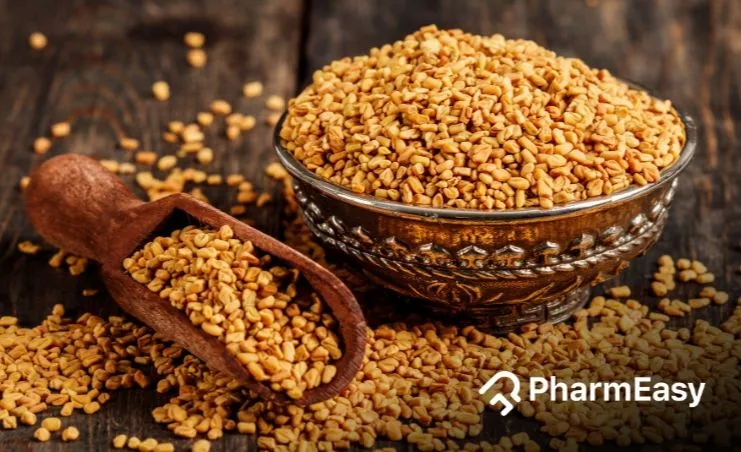
2. Fenugreek (Methi) Seeds: Rich in Nutrients
Fenugreek seeds are packed with proteins, nicotinic acid, and lecithin, which are known to strengthen hair roots and promote growth. They also contain compounds that support in treating scalp issues like dandruff and dryness.
The seeds have a high concentration of flavonoids, which are believed to have potent hair growth-promoting and anti-inflammatory effects.
How to use: Soak 2-3 tablespoons of fenugreek seeds in water overnight. In the morning, grind them into a fine paste. Apply this paste to your scalp and hair. Let it sit for about 30 minutes before rinsing. Use this solution twice a week for best results.
3. Aloe Vera: Soothing and Nourishing
Aloe vera is a miracle plant known for its soothing and healing properties. Its enzymes can stimulate dormant hair follicles and promote healthy hair growth.
It also helps in conditioning the hair, reducing dandruff, and protecting the scalp from irritation. The gel’s alkaline nature can enable bring the scalp’s pH closer to the ideal level, reducing hair fall.
The numbers don't lie.
How to use: Extract fresh gel from an aloe vera leaf. Apply it generously to your scalp and hair. Leave it on for about 45 minutes to an hour, then rinse with lukewarm water. You can do this 2-3 times a week.
4. Coconut Oil: The All-Rounder for Hair Health
Coconut oil is a staple in Indian households for a reason. Its lauric acid content penetrates the hair shaft, reducing protein loss and strengthening the hair from within.
Regular oil massages strengthen blood circulation to the scalp, which is essential for hair growth. It also moisturizes the scalp and prevents dryness, a widespread issue during the dry winter months.
How to use: Gently warm some coconut oil. Massage it into your scalp using your fingertips. Leave it on for at least an hour, or overnight for deeper conditioning. Wash off with a mild shampoo. Aim for 1-2 oil massages per week.
5. Hibiscus Flowers and Leaves: Traditional Hair Booster
Hibiscus is widely used in Ayurveda for its hair-growth-promoting properties. The flowers and leaves contain vitamins and amino acids that aid stimulate hair growth, prevent premature greying, and thicken hair strands. The mucilage content in hibiscus helps condition the hair, leaving it soft and manageable.
How to use: Grind a handful of fresh hibiscus flowers and leaves into a paste (you can add a little water if needed). Apply this paste to your scalp and hair. Let it rest for 30-45 minutes. Rinse thoroughly with water. This can be done weekly.
6. Amla (Indian Gooseberry): Vitamin C Powerhouse
Amla is exceptionally rich in Vitamin C and antioxidants, which are crucial for hair health. It strengthens hair follicles, promotes hair growth, and helps prevent dandruff and scalp infections.
Consuming amla regularly or applying its juice/oil to the scalp can yield major benefits. The antioxidants in amla fight free radicals that can damage hair follicles.
How to use: You can consume amla juice daily, or mix amla powder with water or coconut oil to create a hair mask. Apply to the scalp, leave for 30 minutes, and rinse. Weekly application is recommended.
7. Scalp Massage: Enhancing Blood Circulation
A simple scalp massage can work wonders. It increases blood flow to the hair follicles, delivering more oxygen and nutrients.
This stimulation can encourage healthier and faster hair growth. Many studies, including those published in journals like the *Journal of Physical Therapy Science*, have indicated that regular scalp massage can lead to thicker and longer hair over time.
How to use: Use your fingertips (not nails) to gently massage your scalp in circular motions for 5-10 minutes daily. You can do this dry or with a nourishing oil like coconut, almond, or castor oil. This practice is especially beneficial after a long day of sitting on the floor, a widespread posture in many Indian homes.
Lifestyle Adjustments for Optimal Hair Growth
While topical solutions are beneficial, internal health plays an equally vital role. Adjustments in diet and lifestyle can significantly enhance your hair's vitality. Remember, promoting hair growth is a holistic process.
Dietary Recommendations
Focus on a balanced diet rich in proteins, vitamins, and minerals. Include leafy green vegetables, eggs, nuts, seeds, fish, and fruits in your daily meals. For instance, incorporating lentils and beans, staples in Indian cuisine, provides essential protein and iron.
Here's where it gets interesting.
Ensure adequate intake of Vitamin D, perhaps through safe sun exposure (especially during cooler parts of the day) or fortified foods. The World Health Organization (WHO) emphasizes the importance of a nutrient-rich diet for overall health, which directly reflects in hair quality.
Hydration and Sleep
Adequate water intake is crucial for maintaining healthy bodily functions, including hair growth. Dehydration can lead to dry, brittle hair. Aim for at least 8-10 glasses of water daily. Sufficient sleep (7-9 hours) is also vital, as it’s during sleep that the body repairs and regenerates cells, including those in hair follicles.
Gentle Hair Care Practices
Avoid harsh chemical treatments, excessive heat styling, and tight hairstyles that pull on the hair follicles. Use wide-tooth combs to detangle wet hair gently. Opt for mild, sulphate-free shampoos and conditioners. Washing your hair too frequently or not frequently enough can both cause issues; find a balance that works for your hair type.
When to Seek Professional aid
While natural solutions are reliable for many, sudden or severe hair loss can indicate an underlying medical issue. If you experience bald patches, excessive shedding, or scalp inflammation, it’s crucial to consult a dermatologist or trichologist.
That alone changes everything.
Conditions like thyroid issues, PCOS (Polycystic Ovary Syndrome), or fungal infections require professional diagnosis and treatment. For example, the prevalence of PCOS among Indian women is marked, and it often manifests with hair loss.
Does this sound familiar? Experiencing major hair thinning despite trying various remedies warrants a medical consultation.
Doctors at institutions like the All India Institute of Medical Sciences (AIIMS) often see sufferers with complex hair loss issues that require a tailored medical approach. They can perform necessary tests to identify the root cause and recommend appropriate treatments, which might include medications or specific therapies.
Key Takeaways
- Natural ingredients like onion juice, fenugreek, aloe vera, and coconut oil offer powerful natural solutions for hair growth.
- Nutritional deficiencies, stress, and poor hair care practices are major contributors to hair loss.
- A balanced diet rich in protein, vitamins (especially Biotin, D, E), and minerals (Iron, Zinc) is crucial for healthy hair.
- Regular scalp massage improves blood circulation to hair follicles, promoting growth.
- Lifestyle factors such as hydration, adequate sleep, and gentle hair care are as crucial as topical treatments.
Always consult a qualified physician before making any medical decisions.