

Free Helpline
We are here to assist you.
Health Advisor
+91-8877772277Available 7 days a week
10:00 AM – 6:00 PM to support you with urgent concerns and guide you toward the right care.

We are here to assist you.
Health Advisor
+91-8877772277Available 7 days a week
10:00 AM – 6:00 PM to support you with urgent concerns and guide you toward the right care.
Explore the causes, symptoms, diagnosis, and effective treatments for yellow nails. Learn about fungal infections, staining, underlying medical conditions, and preventive measures for healthier nails.

Yellow nails, a condition medically known as chromonychia, can be a concerning visual change. While often associated with fungal infections, the discoloration can stem from a variety of causes, ranging from simple staining to more serious underlying health issues. This guide aims to provide a comprehensive understanding of yellow nails for Indian readers, covering their causes, symptoms, diagnosis, treatment options, and preventive measures. We will also discuss when it is crucial to seek professional medical advice.
The yellowing of nails can be attributed to several factors. It's important to identify the specific cause to determine the most effective treatment.
This is one of the most prevalent causes of yellow nails. Fungal infections thrive in warm, moist environments and can affect fingernails and toenails. Symptoms often include thickening of the nail, brittleness, and sometimes a foul odor.
Certain bacterial infections can also lead to yellow discoloration of the nails. These are less common than fungal infections but require prompt medical attention.
Nail Polish and Dyes: Frequent use of dark-colored nail polishes or exposure to certain dyes can stain the nail plate, causing a yellowish hue. This is particularly common with red and brown polishes.
Smoking: The tar and nicotine in tobacco smoke can stain fingernails, leading to a distinct yellow or brownish discoloration.
Chemical Exposure: Prolonged exposure to certain chemicals, such as those found in cleaning products or industrial settings, can also cause nails to yellow.
In some cases, yellow nails can be a symptom of an underlying medical condition:
This is a rare disorder characterized by yellow, thickened, and slow-growing nails. It is often associated with respiratory conditions like bronchiectasis and lymphedema. YNS typically affects all nails on the hands and feet.
As we age, our nails naturally become drier, more brittle, and may develop a yellowish tint due to slower nail growth and changes in the nail bed.
While the primary symptom is the yellow discoloration, other signs may accompany it depending on the cause:
A proper diagnosis is crucial for effective treatment. A healthcare professional will typically:
Treatment for yellow nails depends entirely on the underlying cause. Here are some common approaches:
Treatment can be lengthy and may involve:
It's important to note that antifungal treatments can take weeks to months to show results, as healthy nail growth gradually replaces the infected nail. Recurrence is common, so completing the full course of treatment is vital.
Hydrogen Peroxide: A mixture of hydrogen peroxide and warm water can be used as a soak to help lighten stains from nail polish or chemicals. Adding baking soda can enhance its effectiveness.
Baking Soda Paste: A paste made of baking soda and water can be gently rubbed onto the nails to help remove surface stains.
Avoidance: The best approach is to prevent staining by using a base coat before applying colored nail polish and limiting exposure to staining agents like tobacco smoke.
Dietary Changes: Increasing intake of foods rich in the deficient vitamin or mineral.
Supplements: Taking multivitamin or specific mineral supplements as recommended by a doctor.
Treatment will focus on managing the primary health issue. For example:
Treatment is often challenging and may involve:
While not a substitute for medical treatment, some home remedies and preventive measures can help:
It is essential to seek medical advice if:
Yellow nails can be a minor cosmetic issue or a sign of a more significant health problem. By understanding the various causes, recognizing the symptoms, and seeking appropriate medical care, you can effectively manage and treat yellow nails. Maintaining good nail hygiene, adopting a healthy lifestyle, and being aware of your body's signals are key to keeping your nails healthy and vibrant.
This section adds practical context and preventive advice to help readers make informed healthcare decisions. It is important to verify symptoms early, consult qualified doctors, and avoid self-medication for persistent health issues.
Maintaining healthy routines, following prescribed treatment plans, and attending regular checkups can improve outcomes. If symptoms worsen or red-flag signs appear, immediate medical evaluation is recommended.
Track symptoms and duration.
Follow diagnosis and treatment from a licensed practitioner.
Review medication side effects with your doctor.
Seek urgent care for severe warning signs.
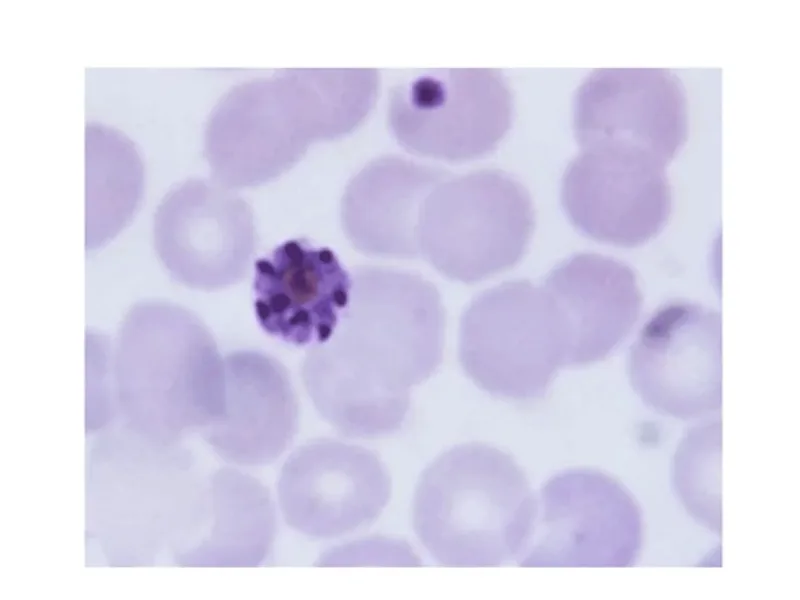
Understand the peripheral blood smear test for malaria diagnosis, its procedure, and what results mean for patients.
April 20, 2026
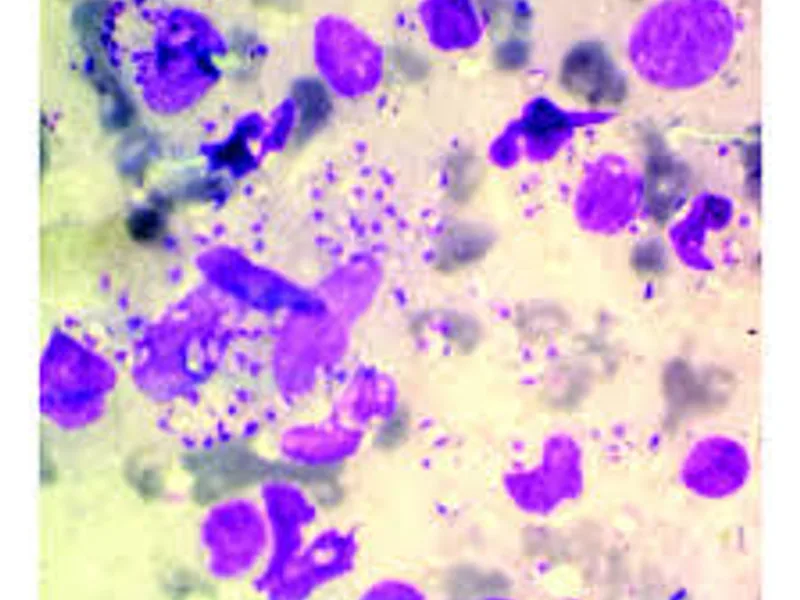
Discover how specialized staining techniques, like Giemsa, are crucial for accurately diagnosing Leishmaniasis, identifying the parasite, and guiding timely treatment. Understand this key diagnostic approach.
April 20, 2026
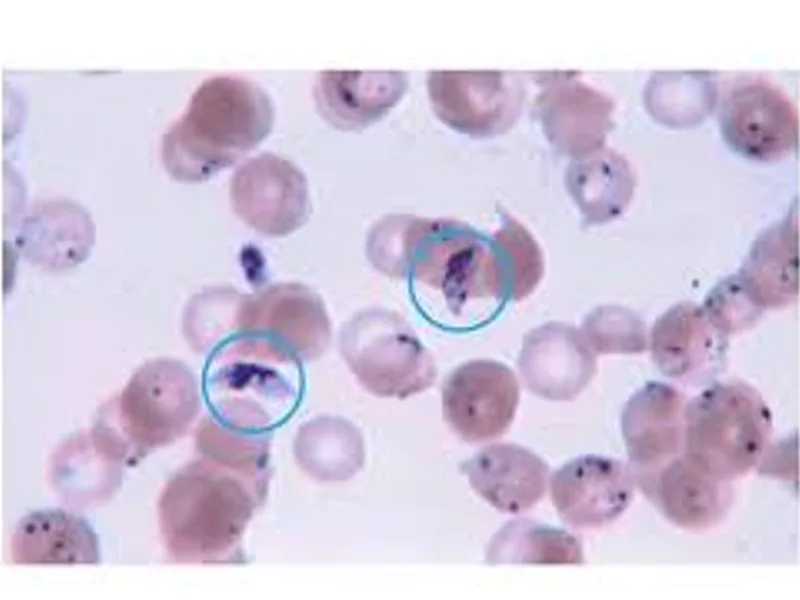
Understand the peripheral blood smear test for malaria diagnosis, its procedure, and why it's a vital tool in combating this disease.
April 20, 2026