

Free Helpline
We are here to assist you.
Health Advisor
+91-8877772277Available 7 days a week
10:00 AM – 6:00 PM to support you with urgent concerns and guide you toward the right care.

We are here to assist you.
Health Advisor
+91-8877772277Available 7 days a week
10:00 AM – 6:00 PM to support you with urgent concerns and guide you toward the right care.
Discover the potential causes, symptoms, and when to seek medical help for worm-like blood clots in your urine. Learn about UTIs, kidney stones, and other serious conditions.

Understanding Worm-Like Blood Clots in Urine Discovering worm-like blood clots in your urine can be alarming. While not a common occurrence, it's essential to understand the potential causes, associated symptoms, and when to seek immediate medical attention. This condition, known as hematuria, refers to the presence of blood in the urine, which can range from a faint pink hue to a dark, reddish-brown colour. The appearance of blood clots, especially those resembling worms, indicates that blood may have been present in the urinary tract for a sufficient period to coagulate. What Causes Blood Clots to Appear Worm-Like? The unique shape of these clots is often attributed to the anatomy of the urinary tract. When blood accumulates in the ureters (tubes connecting the kidneys to the bladder) or the urethra (the tube that carries urine out of the body), it can begin to clot. As these clots are expelled from the bladder through the narrow urethra, they can be squeezed into a long, stringy, or worm-like shape. This phenomenon is more likely to occur when there is bleeding in the bladder or urethra, and often, individuals may not experience pain or discomfort in such instances. Common Causes of Worm-Like Blood Clots Several factors can contribute to the formation of worm-like blood clots in urine. These range from common infections to more serious underlying conditions: Urinary Tract Infections (UTIs): UTIs are a frequent cause of bleeding in the urinary tract. The infection can lead to inflammation and swelling, irritating the tissues and causing them to bleed. This bleeding can then form clots. Kidney Stones: When kidney stones move from the kidneys into the ureters, they can cause significant irritation and damage to the delicate lining of the urinary tract. This can lead to bleeding and the subsequent formation of clots. Injuries to the Groin Area: Trauma or injury to the groin can cause bleeding within the ureters, bladder, or urethra. This internal bleeding can result in blood clots that may appear worm-like. Medications: Certain medications, particularly those that affect blood clotting, such as aspirin or blood thinners (anticoagulants), can increase the risk of bleeding and clot formation within the urinary tract. Less Common but More Serious Causes While the above causes are more frequent, it's crucial to be aware of less common but potentially serious conditions that can manifest as worm-like blood clots: Kidney Disease: Various kidney diseases can lead to inflammation, bleeding, and infections within the kidneys, contributing to blood in the urine and clot formation. Cancer: Cancers of the kidney or bladder can irritate the tissues, obstruct urine drainage, and cause bleeding, leading to the appearance of blood clots. Sickle Cell Anemia: This genetic blood disorder affects red blood cells. In individuals with sickle cell anemia, abnormal red blood cells can block blood vessels, leading to damage, bleeding, and clot formation in the urinary tract. Specific Considerations for Females In women, certain conditions related to the reproductive system can also contribute to stringy or worm-like blood clots in the urine: Menstruation: During the menstrual cycle, blood from the uterus can sometimes mix with urine, especially if hygiene practices are not optimal. Endometriosis: This condition involves the growth of uterine tissue outside the uterus. If endometrial tissue develops around the urinary tract, it can cause irritation, bleeding, and clot formation within the urinary system. Specific Considerations for Males For men, conditions affecting the prostate gland can be a cause: Prostate Issues: Blood originating from the prostate gland can clot and accumulate in the urethra, leading to worm-like clots. An enlarged prostate can also put pressure on the bladder, causing swelling or infection in the urinary tract, which may contribute to bleeding. Could it be Something Other Than a Blood Clot? The Rare Case of Kidney Worms In extremely rare instances, what appears to be a worm-like blood clot might actually be a parasite. The Dioctophyme renale , or kidney worm, is a type of parasite that can sometimes be found in urine. Infection typically occurs by consuming raw or undercooked fish or frogs that contain the worm's larvae. While this is exceptionally uncommon, it highlights the importance of seeking medical evaluation for any unusual findings in the urine. When is it an Emergency? While not all instances of blood clots in urine require immediate emergency care, certain symptoms accompanying them warrant urgent medical attention. You should call emergency services or go to the nearest emergency room if you experience worm-like blood clots in your urine along with any of the following: Severe or constant pain in the groin or lower back. The passage of other tissues in your urine. Difficulty or inability to urinate. Signs of severe blood loss or shock. Diagnosis and Treatment Diagnosing the cause of worm-like blood clots in urine typically involves a thorough medical history, a physical examination, and various diagnostic tests. These may include: Urinalysis: To detect blood, infection, or other abnormalities in the urine. Urine Culture: To identify any bacterial infections. Blood Tests: To check kidney function and look for signs of systemic diseases. Imaging Tests: Such as ultrasounds, CT scans, or MRIs, to visualize the kidneys, bladder, and ureters for stones, tumors, or other structural abnormalities. Cystoscopy: A procedure where a thin, flexible tube with a camera is inserted into the bladder to examine the urinary tract directly. Treatment will depend entirely on the underlying cause. For UTIs, antibiotics are prescribed. Kidney stones may
In summary, timely diagnosis, evidence-based treatment, and prevention-focused care improve long-term health outcomes.
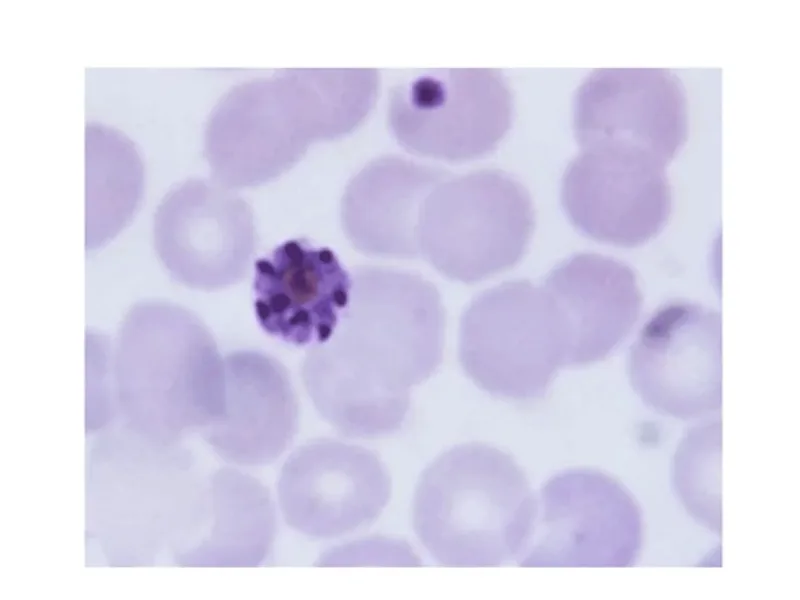
Understand the peripheral blood smear test for malaria diagnosis, its procedure, and what results mean for patients.
April 20, 2026
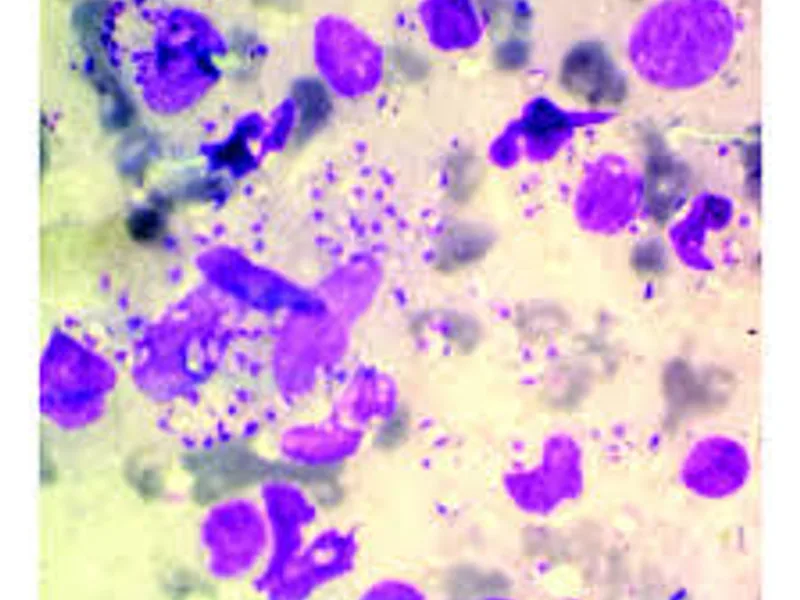
Discover how specialized staining techniques, like Giemsa, are crucial for accurately diagnosing Leishmaniasis, identifying the parasite, and guiding timely treatment. Understand this key diagnostic approach.
April 20, 2026
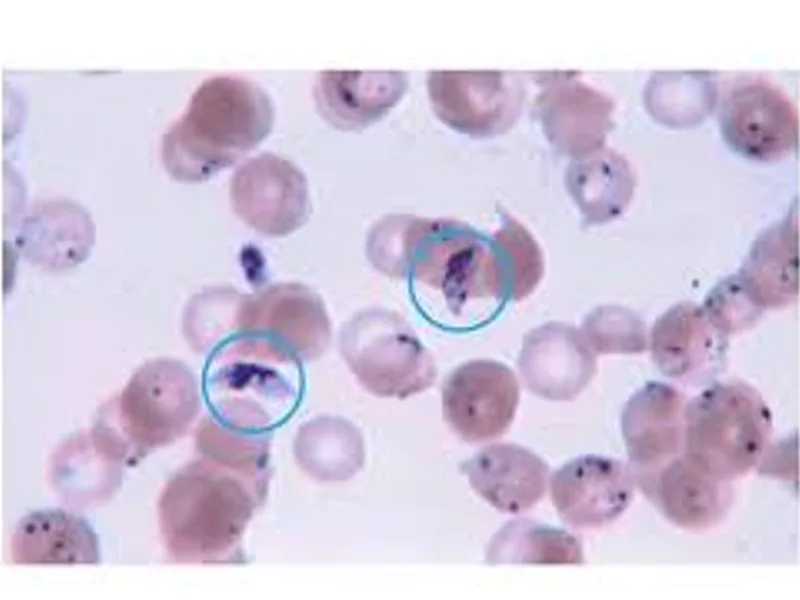
Understand the peripheral blood smear test for malaria diagnosis, its procedure, and why it's a vital tool in combating this disease.
April 20, 2026