

Free Helpline
We are here to assist you.
Health Advisor
+91-8877772277Available 7 days a week
10:00 AM – 6:00 PM to support you with urgent concerns and guide you toward the right care.

We are here to assist you.
Health Advisor
+91-8877772277Available 7 days a week
10:00 AM – 6:00 PM to support you with urgent concerns and guide you toward the right care.
Learn about wheezing: its causes, symptoms, diagnosis, and effective home remedies for relief. Understand when to consult a doctor for respiratory issues.

Wheezing is a high-pitched whistling sound that can be heard when breathing. It typically occurs during exhalation, but can also happen during inhalation. This sound is often a sign of a narrowed or obstructed airway in the lungs. While it can be alarming, especially in children, understanding the causes, symptoms, and available remedies can help manage this condition effectively. This guide aims to provide a comprehensive overview of wheezing, tailored for Indian readers, offering practical advice and insights into when to seek medical help.
Wheezing is not a disease in itself but rather a symptom of an underlying respiratory issue. The sound is produced when air moves through narrowed airways. The narrowing can be caused by inflammation, swelling, muscle spasms, or a blockage in the bronchial tubes, which are the passages that carry air to and from your lungs.
Several factors can lead to wheezing. Identifying the cause is crucial for effective treatment. In India, where environmental factors and varying access to healthcare can play a role, understanding these causes is particularly important.
Asthma is one of the most common causes of chronic wheezing. It's a condition where the airways become inflamed and narrowed, often triggered by allergens, exercise, cold air, or respiratory infections. Symptoms can include wheezing, shortness of breath, chest tightness, and coughing, especially at night or early in the morning.
Bronchitis is the inflammation of the bronchial tubes. Acute bronchitis is often caused by a viral infection, similar to the common cold, and can lead to temporary wheezing. Chronic bronchitis, a more serious condition, is often linked to smoking and can cause persistent wheezing and mucus production.
Allergic reactions to pollen, dust mites, pet dander, or certain foods can cause the airways to swell and constrict, leading to wheezing. This is common in individuals with allergic asthma.
Respiratory infections like the common cold, flu, pneumonia, and bronchiolitis (common in infants) can cause inflammation and mucus buildup in the airways, resulting in wheezing.
COPD is a progressive lung disease that includes emphysema and chronic bronchitis. It primarily affects older adults, especially smokers, and causes persistent wheezing, shortness of breath, and a chronic cough.
Less common causes include lung infections like tuberculosis (which is prevalent in some parts of India), foreign body aspiration (especially in children), heart failure, and certain types of cancer affecting the lungs or airways.
While wheezing is the primary symptom, it is often accompanied by others that can help pinpoint the cause:
A doctor will typically diagnose the cause of wheezing through a combination of methods:
Treatment focuses on addressing the underlying cause and relieving airway obstruction. Medical advice should always be sought for proper diagnosis and treatment planning.
While not a substitute for medical treatment, certain home remedies can provide comfort and relief, especially for mild cases or as adjuncts to prescribed therapies. These are generally safe and can be easily incorporated into daily life in India.
How to do it: Fill a large bowl with hot (not boiling) water. Drape a towel over your head and the bowl, and inhale the steam deeply for 5-10 minutes. You can add a few drops of eucalyptus oil or peppermint oil for added benefit, but avoid if you have sensitive skin or are prone to irritation.
Tip: Try a warm turmeric milk (haldi doodh), a popular remedy in India, known for its anti-inflammatory properties.
Note: Ensure you are using pure, unadulterated honey.
Ginger Tea: Boil a few slices of fresh ginger in water for 5-10 minutes. Strain and add honey and lemon to taste.
Turmeric Milk: Warm a glass of milk, add half a teaspoon of turmeric powder and a pinch of black pepper (to enhance absorption). Stir well and drink before sleeping.
Recommendation: Aim for at least 8-10 glasses of water daily, more if you are active or in a hot climate.
Method: Use extra pillows to prop up your head and upper body.
Action: If you live in an area with high air pollution, consider using air purifiers indoors and wearing a mask when outdoors.
Preventing wheezing largely involves managing underlying conditions and avoiding triggers:
While home remedies can offer relief, it is essential to seek medical attention promptly in the following situations:
In India, where respiratory illnesses can be common due to environmental factors and varying healthcare access, early consultation is key. Do not delay seeking professional medical advice if you experience severe or persistent wheezing.
Wheezing is a common respiratory symptom that can stem from various causes, ranging from mild allergies to serious conditions like asthma and COPD. Understanding its causes, recognizing associated symptoms, and knowing when to seek medical help are crucial steps in managing it effectively. While home remedies can provide symptomatic relief and support recovery, they should complement, not replace, professional medical care. By adopting preventive measures and consulting a doctor when necessary, individuals can better manage wheezing and maintain respiratory health.
This section adds practical context and preventive advice to help readers make informed healthcare decisions. It is important to verify symptoms early, consult qualified doctors, and avoid self-medication for persistent health issues.
Maintaining healthy routines, following prescribed treatment plans, and attending regular checkups can improve outcomes. If symptoms worsen or red-flag signs appear, immediate medical evaluation is recommended.
Track symptoms and duration.
Follow diagnosis and treatment from a licensed practitioner.
Review medication side effects with your doctor.
Seek urgent care for severe warning signs.
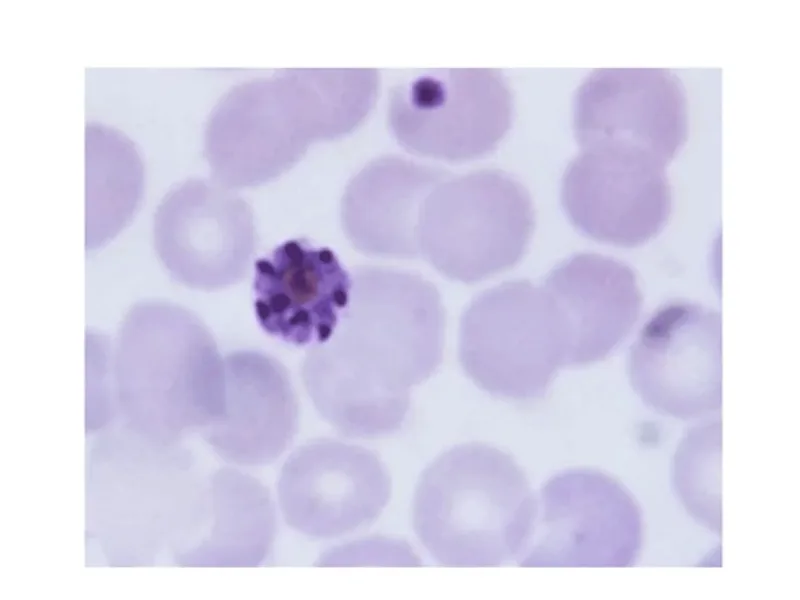
Understand the peripheral blood smear test for malaria diagnosis, its procedure, and what results mean for patients.
April 20, 2026
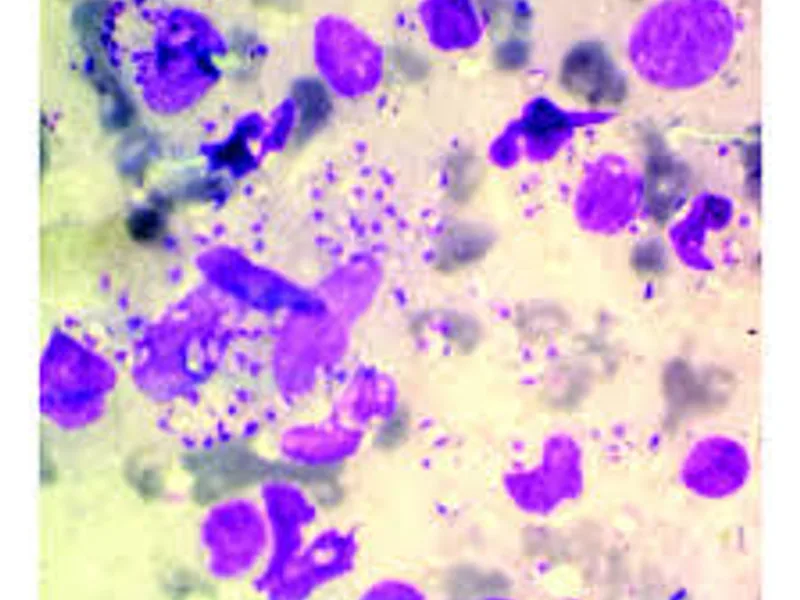
Discover how specialized staining techniques, like Giemsa, are crucial for accurately diagnosing Leishmaniasis, identifying the parasite, and guiding timely treatment. Understand this key diagnostic approach.
April 20, 2026
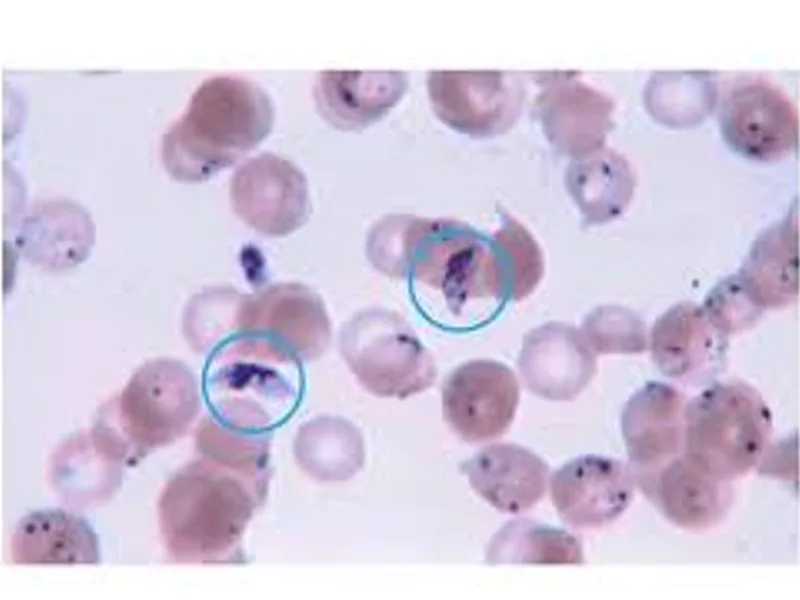
Understand the peripheral blood smear test for malaria diagnosis, its procedure, and why it's a vital tool in combating this disease.
April 20, 2026