

Free Helpline
We are here to assist you.
Health Advisor
+91-8877772277Available 7 days a week
10:00 AM – 6:00 PM to support you with urgent concerns and guide you toward the right care.

We are here to assist you.
Health Advisor
+91-8877772277Available 7 days a week
10:00 AM – 6:00 PM to support you with urgent concerns and guide you toward the right care.
Learn how HIV affects white blood cells in the early stages, why WBC count alone isn't a diagnostic tool, and when to seek medical help for potential HIV exposure.

The human immunodeficiency virus (HIV) is a virus that attacks the body's immune system. Specifically, it targets CD4 cells, which are a crucial component of your white blood cells (WBCs). While a decrease in WBC count can indicate various health issues, its role in the early stages of HIV, known as acute or primary HIV infection, requires a nuanced understanding. This blog post aims to clarify how HIV affects white blood cells during this initial phase, what other blood markers might be observed, and why a WBC count alone is not a definitive diagnostic tool for acute HIV. What are White Blood Cells and Their Role? White blood cells, also known as leukocytes, are the soldiers of your immune system. They circulate in your blood and lymph fluid, identifying and fighting off foreign invaders like bacteria, viruses, fungi, and other pathogens. There are several types of white blood cells, each with a specific function. CD4 cells, also called T-helper cells, are a type of lymphocyte (a subtype of white blood cell) that play a central role in coordinating the immune response. They are essential for telling other immune cells what to do to fight off infections. HIV and White Blood Cells: The Connection HIV's primary target is the CD4 cell. When HIV enters the body, it infects these CD4 cells, replicates itself, and eventually destroys them. This gradual destruction of CD4 cells weakens the immune system over time, making the individual more susceptible to opportunistic infections and certain cancers. In the early stages of HIV infection, known as acute retroviral syndrome (ARS) or primary HIV infection, the virus is multiplying rapidly. This rapid multiplication and destruction of CD4 cells can lead to changes in the overall white blood cell count. White Blood Cell Count During Acute HIV Infection During the acute phase of HIV infection, which typically occurs 2 to 4 weeks after exposure, the virus begins to attack CD4 cells. Because CD4 cells constitute only a fraction of the total white blood cell count (up to 40% of lymphocytes, which are themselves a type of WBC), the impact on the overall WBC count might be subtle. It's common for the white blood cell count to decrease slightly during this period. However, this decrease may be so minimal that the count remains within the conventionally accepted "normal" range for white blood cells. Therefore, a standard white blood cell count, whether slightly low or within the normal range, cannot definitively diagnose acute HIV infection. Other Blood Work Findings in Acute HIV While the WBC count might not be a clear indicator, other blood tests can provide more clues about acute HIV infection. Standard HIV screening tests, which typically detect antibodies or antigens produced by the body in response to the virus, often do not become positive until 18 to 90 days after exposure, depending on the specific test used. This window period means that early in the infection, these tests might yield a false-negative result. More sensitive tests, such as viral load tests (which measure the amount of HIV genetic material in the blood) or p24 antigen tests (which detect a specific protein of the HIV virus), can sometimes detect infection earlier, during the acute phase. Doctors may also look at other components of a complete blood count (CBC) to assess the overall health of the immune system and rule out other causes of symptoms. Why a Low or High White Blood Cell Count Can Occur It's important to remember that a low white blood cell count (leukopenia) or a high white blood cell count (leukocytosis) can be caused by many factors other than HIV. Understanding these can help in interpreting blood test results: Reasons for a Low White Blood Cell Count (Leukopenia): Infections: Viral infections (like flu, measles, or HIV itself), severe bacterial infections (sepsis). Medications: Certain drugs, including chemotherapy agents, some antibiotics, and immunosuppressants, can suppress bone marrow function, leading to fewer WBCs. Autoimmune Diseases: Conditions where the immune system mistakenly attacks the body's own tissues, such as lupus or rheumatoid arthritis. Bone Marrow Disorders: Diseases affecting the bone marrow, where WBCs are produced, like aplastic anemia or leukemia. Nutritional Deficiencies: Severe deficiencies in certain vitamins, like B12 or folate, can impact WBC production. Reasons for a High White Blood Cell Count (Leukocytosis): Infections: The body often increases WBC production to fight off bacterial, viral, or fungal infections. Tuberculosis and sepsis are common examples. Inflammation: Chronic inflammatory conditions like rheumatoid arthritis or inflammatory bowel disease. Stress: Significant physical or emotional stress can temporarily elevate WBC counts. Medications: Corticosteroids and certain other drugs can stimulate WBC production. Allergic Reactions: Severe allergic responses can sometimes increase certain types of WBCs. Certain Cancers: Some types of cancer, particularly those originating in the blood or bone marrow (like leukemia), are characterized by abnormally high WBC counts. When to Consult a Doctor If you suspect you have been exposed to HIV, it is crucial to seek medical attention as soon as possible . Early diagnosis and treatment are key to managing HIV effectively and preventing long-term health complications. Do not rely solely on a white blood cell count to assess your risk or status. Seek immediate medical advice if: You have had unprotected sex with someone whose HIV status is unknown or positive. You have shared needles or syringes for injecting drugs. You have experienced a needle-stick injury in a healthcare setting. You are
In summary, timely diagnosis, evidence-based treatment, and prevention-focused care improve long-term health outcomes.
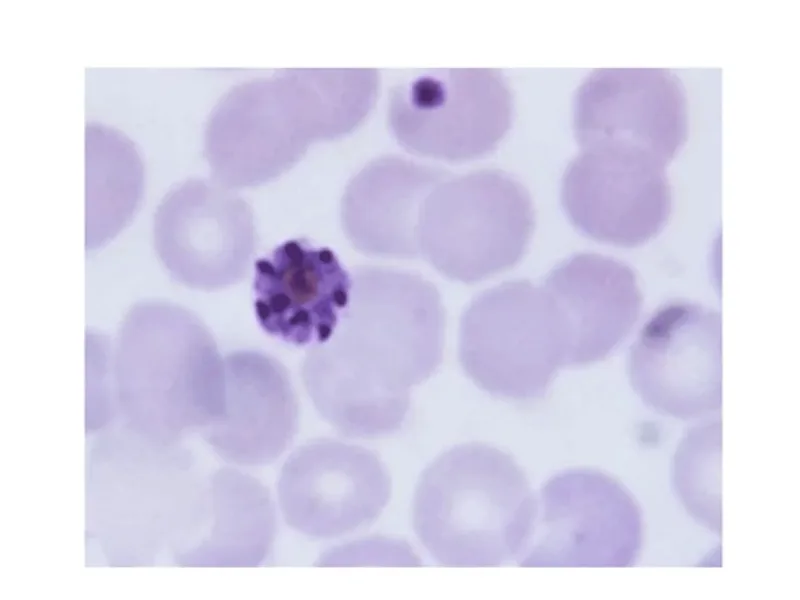
Understand the peripheral blood smear test for malaria diagnosis, its procedure, and what results mean for patients.
April 20, 2026
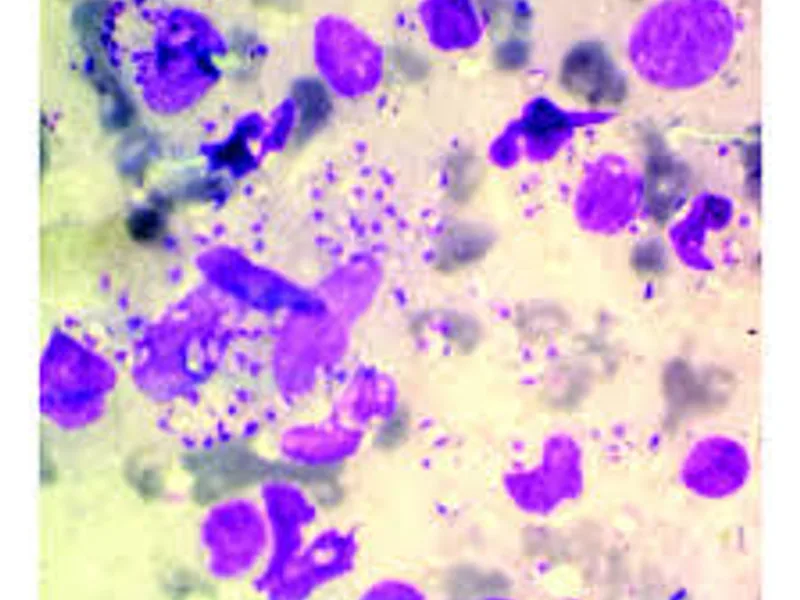
Discover how specialized staining techniques, like Giemsa, are crucial for accurately diagnosing Leishmaniasis, identifying the parasite, and guiding timely treatment. Understand this key diagnostic approach.
April 20, 2026
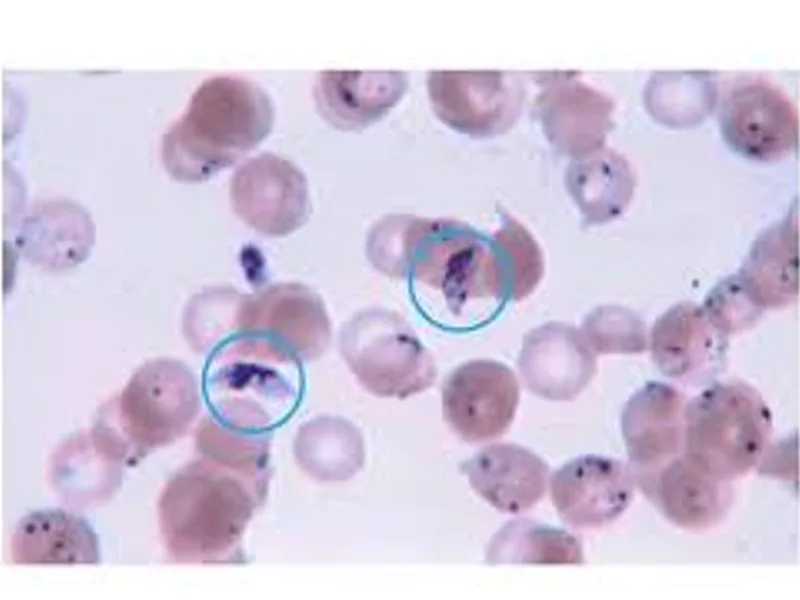
Understand the peripheral blood smear test for malaria diagnosis, its procedure, and why it's a vital tool in combating this disease.
April 20, 2026