

Free Helpline
We are here to assist you.
Health Advisor
+91-8877772277Available 7 days a week
10:00 AM – 6:00 PM to support you with urgent concerns and guide you toward the right care.

We are here to assist you.
Health Advisor
+91-8877772277Available 7 days a week
10:00 AM – 6:00 PM to support you with urgent concerns and guide you toward the right care.
Explore the potential reasons behind unexplained weight gain after COVID-19, including lifestyle changes, psychological factors, and metabolic shifts. Learn about symptoms, diagnosis, and effective management strategies for a healthier recovery.

The COVID-19 pandemic has brought about many changes, and for some, it has led to unexpected weight gain. While it's common to lose weight during a viral infection, a growing number of people are reporting an increase in their weight after recovering from COVID-19. This phenomenon has even led to new terms like "gaining the COVID-19" or "Cobesity," reflecting the lifestyle changes many experienced during lockdowns. But could the virus itself be a direct cause of weight gain? This article delves into the potential reasons behind post-COVID-19 weight gain, exploring the science, symptoms, and practical strategies for managing it.
Current research primarily suggests that COVID-19 is more likely to cause weight loss rather than weight gain. Studies have indicated that the virus can negatively impact body weight and nutritional status. For instance, a 2020 study found that the longer a person had COVID-19, the more likely they were to experience weight loss. Another 2021 study revealed that over 30% of participants hospitalized with COVID-19 experienced unintentional weight loss of 5% or more, with about half at risk of malnutrition.
The nature of the viral infection itself can contribute to weight loss. COVID-19 can alter your sense of taste and smell, making food less appealing. For those with severe cases, respiratory distress can make eating difficult. However, there are also reports of unusual symptoms, such as polyphagia (an increased appetite) after having COVID-19, which could lead to overeating and subsequent weight gain. The exact mechanisms behind this potential link are still under investigation by scientists.
While the direct link between the virus and weight gain is still being researched, several factors associated with the pandemic and the recovery period can contribute to an increase in weight:
The pandemic necessitated significant lifestyle shifts. Lockdowns, work-from-home policies, and social distancing measures led to more time spent indoors. This often translated into:
The stress, anxiety, and uncertainty surrounding the pandemic and the illness itself can impact weight. Emotional eating, driven by stress or sadness, is a common coping mechanism that can lead to weight gain.
Emerging research suggests that COVID-19 might trigger inflammatory responses and potentially affect metabolism. Chronic inflammation is known to be linked to weight gain and difficulty losing weight. Scientists are also exploring whether long COVID could increase the risk of developing diabetes, a condition closely associated with weight management.
Some medications prescribed during or after COVID-19 infection, or for managing related conditions, might have side effects that include increased appetite or weight gain.
Stress can affect hormone levels, such as cortisol, which plays a role in fat storage, particularly around the abdomen. Changes in other hormones related to appetite and metabolism are also being investigated.
While weight gain itself is the primary concern, it's important to be aware of other potential symptoms that might accompany it or be related to underlying causes:
If you notice significant or unexplained weight gain after recovering from COVID-19, it's advisable to consult a healthcare professional. They can help determine the underlying cause and recommend appropriate management strategies. Diagnosis may involve:
Consult a doctor if:
Managing weight gain requires a holistic approach focusing on diet, exercise, and overall well-being. Here are some practical strategies:
Focus on a balanced and nutrient-dense diet:
Gradually reintroduce and increase physical activity:
Address the psychological impact of the pandemic:
If you suspect a medication might be contributing to weight gain, discuss it with your doctor. They may be able to suggest an alternative with fewer side effects.
The best approach to managing weight gain after COVID-19 is to focus on building sustainable healthy habits. This includes maintaining a balanced diet, staying physically active, managing stress, and prioritizing sleep. By adopting a proactive and comprehensive approach, individuals can work towards achieving and maintaining a healthy weight, contributing to their overall long-term well-being.
While weight loss is a more commonly reported effect of COVID-19, unexplained weight gain after the infection is a reality for some. The causes are likely multifactorial, involving lifestyle changes, psychological stress, and potential metabolic shifts. By understanding these factors and implementing targeted strategies for nutrition, exercise, and mental wellness, individuals can effectively manage post-COVID-19 weight gain and improve their overall health. Always consult with a healthcare professional for personalized advice and management plans.
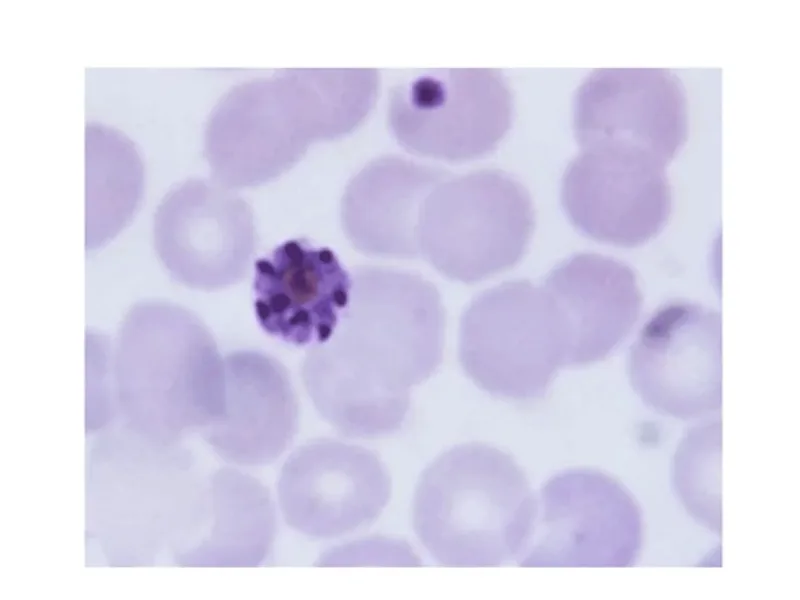
Understand the peripheral blood smear test for malaria diagnosis, its procedure, and what results mean for patients.
April 20, 2026
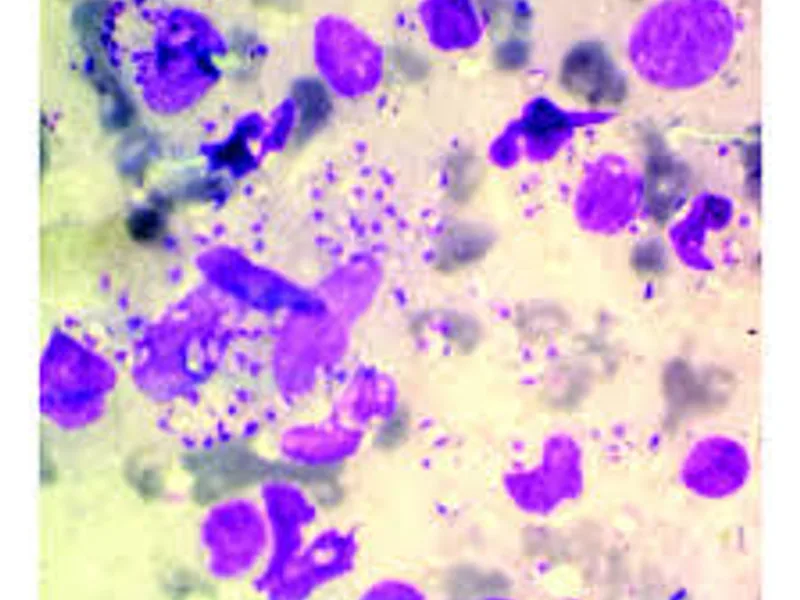
Discover how specialized staining techniques, like Giemsa, are crucial for accurately diagnosing Leishmaniasis, identifying the parasite, and guiding timely treatment. Understand this key diagnostic approach.
April 20, 2026
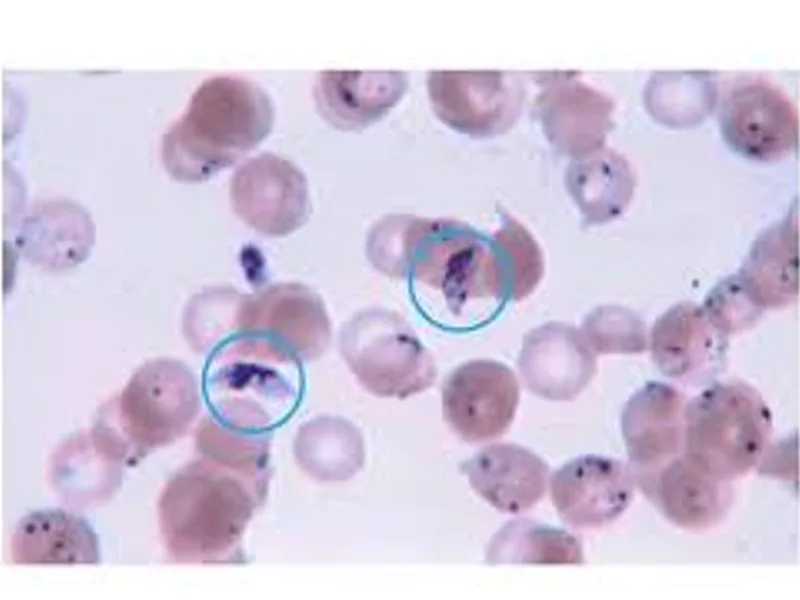
Understand the peripheral blood smear test for malaria diagnosis, its procedure, and why it's a vital tool in combating this disease.
April 20, 2026