

Free Helpline
We are here to assist you.
Health Advisor
+91-8877772277Available 7 days a week
10:00 AM – 6:00 PM to support you with urgent concerns and guide you toward the right care.

We are here to assist you.
Health Advisor
+91-8877772277Available 7 days a week
10:00 AM – 6:00 PM to support you with urgent concerns and guide you toward the right care.
Explore the meaning behind different snot colors, from clear to green and black. Understand what your nasal discharge indicates about your health and when to consult a doctor.

We've all experienced it – that familiar feeling of a runny or stuffy nose, accompanied by nasal discharge, commonly known as snot. While often dismissed as a mere inconvenience, the color and consistency of your snot can actually offer valuable insights into your body's current health status. In India, where seasonal changes and environmental factors can significantly impact respiratory health, understanding these subtle signals is particularly important. This comprehensive guide will delve into the science behind snot, exploring what different colors might indicate, from a common cold to more serious underlying conditions.
Snot, or nasal mucus, is a vital component of our respiratory system's defense mechanism. Produced by mucous membranes lining our nasal passages and sinuses, its primary role is to trap foreign particles like dust, pollen, bacteria, viruses, and other irritants before they can enter our lungs. It also helps to humidify the air we breathe, preventing our nasal passages from drying out. The mucus is then propelled by tiny hair-like structures called cilia towards the throat, where it is usually swallowed unnoticed.
A healthy nasal discharge is typically clear, thin, and watery. However, when your body encounters an infection or irritation, the composition and appearance of mucus can change as part of the immune response.
What it means: Clear, watery snot is generally considered normal and a sign that your body is functioning well. It indicates that your nasal passages are adequately moistening the air and trapping minor irritants. This is the typical discharge you'll experience during periods of good health, or when exposed to environmental factors like dry air or allergens.
When to be concerned: While usually benign, a persistent increase in clear, watery snot, especially if accompanied by sneezing and itchy eyes, could point towards allergies (allergic rhinitis). If it's accompanied by other symptoms like fever or body aches, it might be the very early stages of a viral infection.
What it means: When your snot starts to turn white or slightly opaque, it often signifies the early stages of a common cold or sinus infection. This change in color occurs as the mucus begins to thicken and slow down. The nasal passages become inflamed, reducing airflow and causing the mucus to lose moisture and become more viscous.
When to be concerned: White snot is a common symptom of colds and usually resolves on its own. However, if it persists for more than a week or two, or is accompanied by severe facial pain or fever, it might indicate a developing bacterial sinus infection that could require medical attention.
What it means: Yellow snot is a common indicator that your immune system is actively fighting off an infection. The yellow hue comes from the presence of dead white blood cells and other immune cells that have been deployed to combat the invading pathogens. The thicker consistency also suggests a more robust immune response.
When to be concerned: While yellow snot is a normal part of the healing process for colds and other viral infections, it's important to monitor its duration. If yellow snot persists for more than 7-10 days, or if it progresses to green, it could suggest a secondary bacterial infection that may require antibiotics. Pay attention to other symptoms like fever, headache, or sinus pressure.
What it means: Green snot indicates that your immune system is working hard. The green color is due to the presence of a specific enzyme released by white blood cells called myeloperoxidase. This enzyme has a greenish tint and is a sign of a strong inflammatory response. It doesn't necessarily mean you have a bacterial infection; it can also occur with severe viral infections.
When to be concerned: Similar to yellow snot, green snot can be part of the normal course of a viral illness. However, if it lasts for more than 10-14 days, or if you experience high fever, severe sinus pain, or difficulty breathing, it’s crucial to consult a doctor. Persistent green snot could signal a bacterial infection or other underlying issue.
What it means: Brown or orange snot often suggests that there might be some old blood in the mucus. This can happen due to minor nosebleeds, especially in dry environments or after forcefully blowing your nose. It can also be caused by inhaling certain substances like dust, dirt, or even certain foods.
When to be concerned: If you notice brown or orange snot frequently, or if it's accompanied by significant bleeding, it's advisable to see a doctor to rule out any underlying issues with your nasal passages or blood clotting. If it's a one-off occurrence after a vigorous nose blow, it's usually not a cause for alarm.
What it means: Pink or red snot is a clear sign of fresh bleeding in the nasal passages. This can be caused by a variety of factors, including dry air, nose picking, forceful nose blowing, or minor trauma to the nose. Certain medications, like blood thinners, can also increase the risk of nosebleeds.
When to be concerned: While minor bleeding can occur, frequent or heavy nosebleeds warrant a medical evaluation. If the bleeding doesn't stop with simple pressure or is accompanied by other concerning symptoms, seek immediate medical help.
What it means: Black snot is less common and can be more concerning. It can indicate the presence of a fungal infection in the sinuses, especially in individuals with weakened immune systems. It can also be a result of inhaling smoke, dirt, or other dark-colored particles from the environment.
When to be concerned: Black snot should always be evaluated by a doctor. If it's due to a fungal infection, prompt treatment is necessary. If it's due to environmental exposure, identifying and avoiding the source is important.
While changes in snot color are often normal responses to illness, there are certain situations where seeking professional medical advice is crucial:
A doctor will typically diagnose the cause of changes in snot color based on your symptoms, medical history, and a physical examination. In some cases, they may recommend further tests:
Treatment depends on the underlying cause:
While you can't always prevent colds or infections, you can take steps to support your respiratory health and minimize nasal irritation:
Your snot, though often overlooked, can be a valuable indicator of your body's health. By understanding the different colors and what they signify, you can better recognize when your body is fighting off an infection, experiencing an allergic reaction, or when it's time to seek medical advice. Remember, this guide is for informational purposes only and should not replace professional medical consultation. Always consult with a healthcare provider for any health concerns.
This section adds practical context and preventive advice to help readers make informed healthcare decisions. It is important to verify symptoms early, consult qualified doctors, and avoid self-medication for persistent health issues.
Maintaining healthy routines, following prescribed treatment plans, and attending regular checkups can improve outcomes. If symptoms worsen or red-flag signs appear, immediate medical evaluation is recommended.
Track symptoms and duration.
Follow diagnosis and treatment from a licensed practitioner.
Review medication side effects with your doctor.
Seek urgent care for severe warning signs.
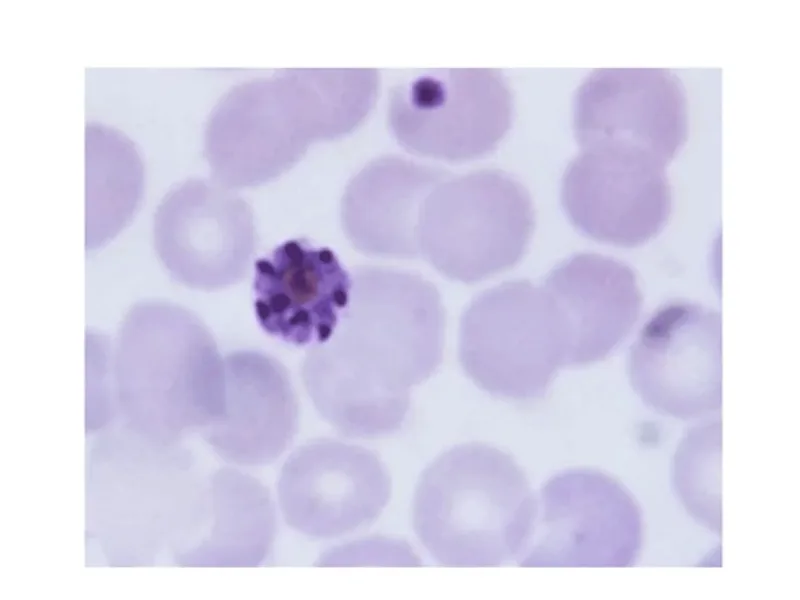
Understand the peripheral blood smear test for malaria diagnosis, its procedure, and what results mean for patients.
April 20, 2026
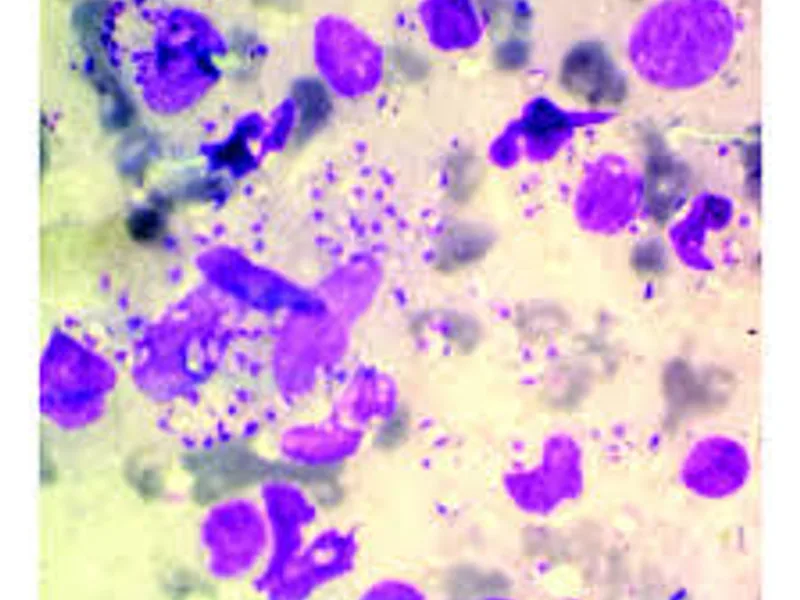
Discover how specialized staining techniques, like Giemsa, are crucial for accurately diagnosing Leishmaniasis, identifying the parasite, and guiding timely treatment. Understand this key diagnostic approach.
April 20, 2026
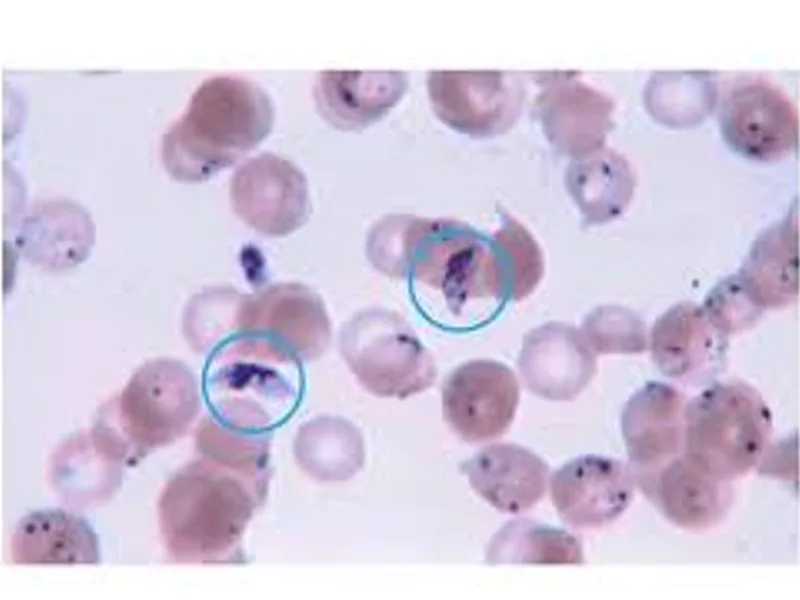
Understand the peripheral blood smear test for malaria diagnosis, its procedure, and why it's a vital tool in combating this disease.
April 20, 2026