

Free Helpline
We are here to assist you.
Health Advisor
+91-8877772277Available 7 days a week
10:00 AM – 6:00 PM to support you with urgent concerns and guide you toward the right care.

We are here to assist you.
Health Advisor
+91-8877772277Available 7 days a week
10:00 AM – 6:00 PM to support you with urgent concerns and guide you toward the right care.
Explore the various skin lesions associated with HIV, including Kaposi's sarcoma, herpes, oral hairy leukoplakia, psoriasis, seborrheic dermatitis, scabies, and thrush. Learn about their causes, symptoms, and management.

The skin, our body's largest organ, is a crucial indicator of our overall health, and its condition can often reflect the state of our immune system. For individuals living with Human Immunodeficiency Virus (HIV), the immune system is compromised, making them more susceptible to a variety of skin conditions. These skin manifestations, often referred to as HIV skin lesions, can be a visible sign of the virus's impact and the progression of the disease, particularly in later stages when the immune system is significantly weakened. Understanding these lesions, their causes, and how they are managed is vital for effective HIV care and improving the quality of life for those affected.
HIV primarily targets and destroys CD4 T-cells, which are essential components of the immune system responsible for fighting off infections and diseases. As HIV progresses and the T4 cell count drops, the immune system weakens, leaving the body vulnerable to opportunistic infections and certain types of cancers that can manifest on the skin. These skin conditions are not direct results of the HIV virus itself, but rather the body's compromised ability to fight off other pathogens or abnormal cell growth due to the weakened immune system.
Several distinct skin conditions can arise in individuals with HIV. Each has unique characteristics and requires specific attention:
Kaposi's sarcoma is a type of cancer that develops from the cells that line lymph or blood vessels. In people with HIV, it is often a sign of advanced disease and a low T4 cell count. KS lesions typically appear as dark (red, brown, or purple) patches or bumps on the skin. They can also affect internal organs, including the lungs, digestive tract, and liver. Early detection by a primary care doctor or dermatologist is crucial for timely treatment.
Individuals with HIV are more prone to developing herpes, which can cause painful red blisters on the mouth, lips, or genitals. These outbreaks can be more frequent, severe, and persistent in people with weakened immune systems. The same viruses that cause chickenpox and shingles (herpes zoster) can also cause significant skin issues in those with HIV. Prescription antiviral medications are typically used to manage outbreaks and prevent their spread. Severe cases can even affect the eyes.
This is a mouth infection caused by the Epstein-Barr virus (EBV), which is common in people with HIV due to their compromised immune systems. It appears as white, patchy, or slightly raised lesions, often with a
This section adds practical context and preventive advice to help readers make informed healthcare decisions. It is important to verify symptoms early, consult qualified doctors, and avoid self-medication for persistent health issues.
Maintaining healthy routines, following prescribed treatment plans, and attending regular checkups can improve outcomes. If symptoms worsen or red-flag signs appear, immediate medical evaluation is recommended.
Track symptoms and duration.
Follow diagnosis and treatment from a licensed practitioner.
Review medication side effects with your doctor.
Seek urgent care for severe warning signs.
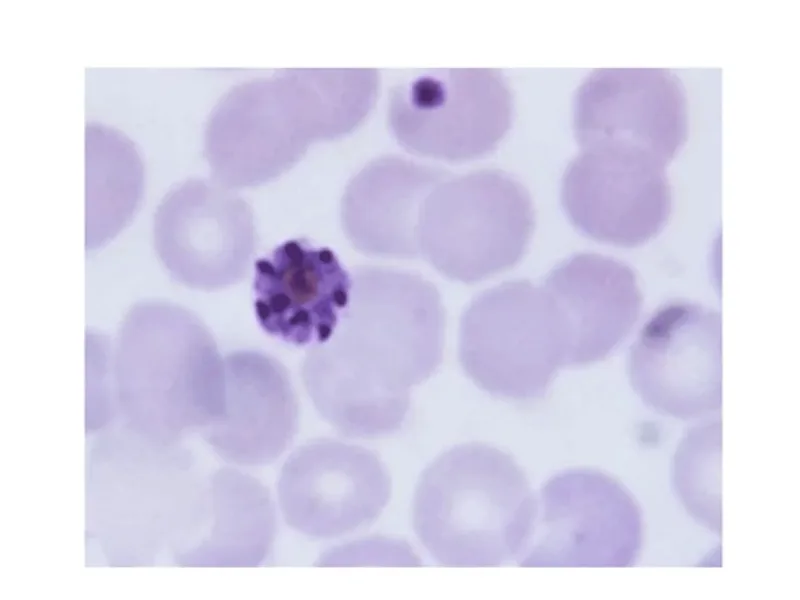
Understand the peripheral blood smear test for malaria diagnosis, its procedure, and what results mean for patients.
April 20, 2026
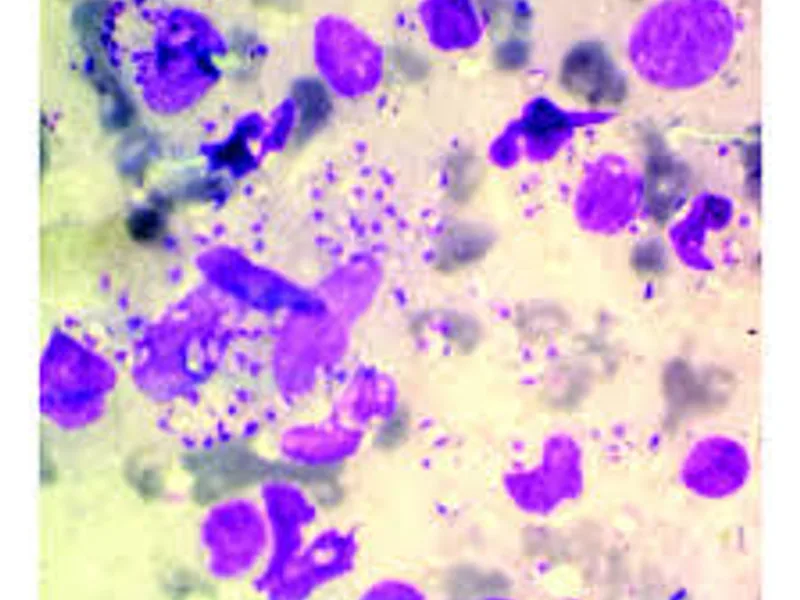
Discover how specialized staining techniques, like Giemsa, are crucial for accurately diagnosing Leishmaniasis, identifying the parasite, and guiding timely treatment. Understand this key diagnostic approach.
April 20, 2026
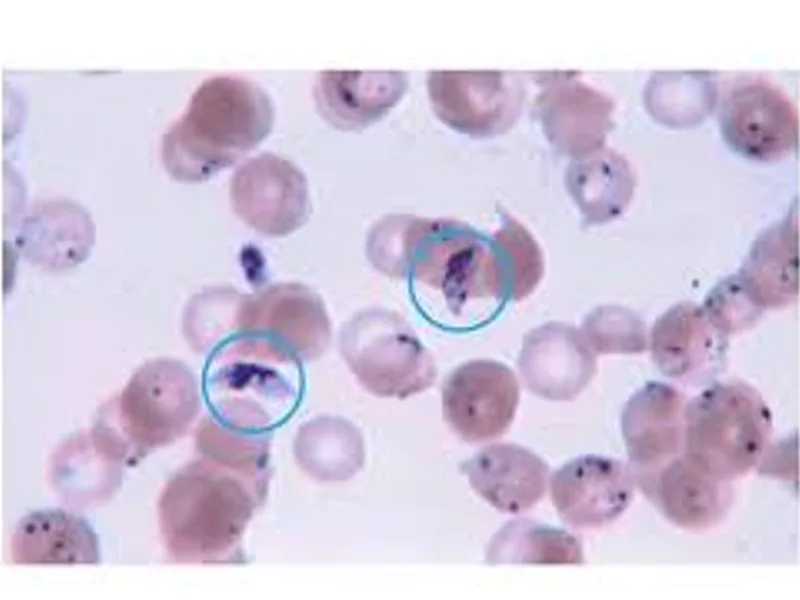
Understand the peripheral blood smear test for malaria diagnosis, its procedure, and why it's a vital tool in combating this disease.
April 20, 2026