

Free Helpline
We are here to assist you.
Health Advisor
+91-8877772277Available 7 days a week
10:00 AM – 6:00 PM to support you with urgent concerns and guide you toward the right care.

We are here to assist you.
Health Advisor
+91-8877772277Available 7 days a week
10:00 AM – 6:00 PM to support you with urgent concerns and guide you toward the right care.
Learn about herpes simplex virus (HSV), its symptoms, causes, diagnosis, and effective treatments including antiviral medications and suppressive therapy. Discover prevention strategies and understand when to consult a doctor for managing this common infection.

Herpes. It’s a word that can bring a wave of concern, perhaps even a little fear. But what exactly is it? And how does it affect us here in India? Let's break it down. Herpes, caused by the herpes simplex virus (HSV), is a common infection that can pop up in different parts of your body. Most often, it makes its home around your mouth or your genitals. Think of it as an unwelcome guest that sometimes overstays its welcome. There are two main types of this virus: HSV-1 and HSV-2. You might have heard of HSV-1 as the culprit behind those familiar cold sores or fever blisters that appear around your mouth and on your face. It often spreads through simple things like kissing or sharing utensils. While it prefers the mouth area, it can, on occasion, make its way to the genital region. Then there’s HSV-2. This one usually takes a different route, spreading through sexual contact, and it’s the primary cause of genital herpes, leading to outbreaks in the genital area. Less commonly, it can also cause oral herpes. It’s important to remember that both types can sometimes cause symptoms in either location. Symptoms: What to Look For The appearance of herpes symptoms can be a bit of a surprise. The first outbreak often shows up anywhere from 4 days to a couple of weeks after you’ve contracted the virus. This timing can vary, and sometimes it might take even longer. For both oral and genital herpes, the initial signs can be similar. The tell-tale sign? Blisters. These fluid-filled bumps can appear on your mouth, rectum, genitals, or really any skin that came into contact with the virus. Before these blisters make their grand entrance, you might feel a strange sensation – an itch or a tingle. It’s your body’s early warning system! Once the blisters form, they typically break open and ooze. After that, they’ll start to crust over before finally healing. Now, here’s something to know: these blisters can disappear on their own, even without treatment. However, they can be quite uncomfortable and even painful. The tricky part? They might vanish for a while, only to reappear. This recurring appearance of blisters is what we call an outbreak. Beyond the blisters, a herpes outbreak can bring along other less pleasant symptoms: Fever Headache Body aches Swollen lymph nodes in your neck or groin Fatigue The symptoms can vary in intensity from person to person. Some people might experience very mild symptoms that go unnoticed, while others face more significant discomfort. Causes: How Does Herpes Spread? Understanding how herpes spreads is key to prevention. As we touched upon, the herpes simplex virus (HSV) is the cause. The transmission typically happens through direct contact with: Sores: This is the most common way. Touching an active herpes sore and then touching another part of your body, or another person, can spread the virus. Saliva: For oral herpes (HSV-1), sharing drinks, utensils, or kissing can transmit the virus. Genital secretions: For genital herpes (HSV-2), sexual contact is the primary mode of transmission. This includes vaginal, anal, and oral sex. It's important to be aware that the virus can be transmitted even when no sores are visible. This is known as shedding, and it’s why practicing safe sex and being mindful of personal hygiene are so important. Diagnosis: Confirming Herpes Suspecting you might have herpes can be worrying. The good news is that a doctor can usually diagnose herpes based on a physical examination and by discussing your symptoms and medical history. However, to confirm the diagnosis, especially for the first outbreak or if symptoms are unclear, your doctor might recommend: Viral culture: A swab is taken from a sore and sent to a lab to grow the virus. Blood test: This can detect antibodies to the herpes virus, indicating a past or current infection. PCR (polymerase chain reaction) test: This test detects the virus's DNA and can help determine if you have an active infection. Getting a clear diagnosis is the first step towards managing the condition effectively. Treatment: Managing Herpes While there’s currently no cure for herpes, it’s a condition that can be managed effectively with treatment. The primary goal of treatment is to reduce the severity and frequency of outbreaks, alleviate discomfort, and lower the risk of transmission. Antiviral Medications The mainstay of herpes treatment involves antiviral medications. These medications work by stopping the virus from multiplying in your body. They are particularly effective when taken at the first sign of an outbreak, or even before symptoms appear if you feel an outbreak coming on. The most commonly prescribed antiviral pills include: Acyclovir (Zovirax): One of the oldest and most well-known antivirals for herpes. Famciclovir (Famvir): Another effective option that works similarly to acyclovir. Valacyclovir (Valtrex): This medication is often preferred because it’s absorbed well by the body and can be taken less frequently than acyclovir. For the initial, most severe outbreak, a doctor might prescribe a 7- to 10-day course of these medications. In more severe cases, intravenous (IV) acyclovir might be necessary in a hospital setting. Suppressive Therapy For individuals who experience frequent or particularly bothersome outbreaks, a doctor might recommend daily suppressive therapy. This involves taking a lower dose of antiviral medication every day. Studies have shown that this daily regimen can significantly reduce the frequency of outbreaks and also lower the risk of transmitting the virus to a sexual partner. It’s a proactive approach to managing herpes long-term. Over-the-Counter (OTC) Treatments For recurring oral herpes (cold sores), there are also over-the-counter topical treatments available. Docosanol (Abreva) is one such active ingredient approved for treating recurrent herpes simplex labialis (cold sores on the lips and around the mouth). These topical creams can help speed up the healing process and reduce discomfort, though they are generally less potent than prescription antiviral pills. Prevention: Reducing Your Risk Preventing the spread of herpes involves a combination of awareness, safe practices, and communication. Safe Sex Practices: Using condoms consistently and correctly during sexual activity can significantly reduce the risk of transmitting genital herpes. However, it’s important to remember that condoms don’t cover all potential areas of infection, so they don’t offer complete protection. Abstinence: The only way to completely avoid sexually transmitted herpes is to abstain from sexual contact. Avoid Close Contact During Outbreaks: If you have oral herpes, avoid kissing and sharing utensils, toothbrushes, or lip balm with others, especially during an active outbreak. If you have genital herpes, avoid sexual contact during an outbreak. Communication: Open and honest communication with sexual partners about your sexual health history is vital. If you or your partner has herpes, discussing it can help you both make informed decisions about protection. Hygiene: Good personal hygiene is always important. The Future of Herpes Treatment and Prevention The medical community is actively researching new ways to combat herpes. Exciting advancements are on the horizon, offering hope for more effective treatments and even prevention. Gene Editing Scientists are exploring the potential of gene editing technologies, like CRISPR, to target and remove the herpes virus from infected cells. While early research in animal models has shown promising results, translating these findings into safe and effective human treatments is a complex and lengthy process. It will likely be several years before such treatments could become available to patients. Vaccine Development The development of a herpes vaccine is another area of intense research. Scientists are investigating various approaches, including mRNA vaccine technology (similar to some COVID-19 vaccines), to stimulate the immune system to fight off the virus. Some studies in animals have shown encouraging results, and researchers are working towards human clinical trials. A widely available vaccine could be a game-changer in preventing herpes infections in the future, potentially taking up to a decade to reach the market. When to Consult a Doctor It’s essential to seek medical advice if you suspect you have herpes or if you have any concerns about your sexual health. Make an appointment with your doctor if: You experience any symptoms that you suspect might be herpes, such as blisters on your mouth or genitals, or unusual itching or tingling. You have been diagnosed with herpes and are experiencing a severe or frequent outbreak. You have been sexually active and are concerned about your risk of contracting herpes. Your current or previous sexual partner has informed you that they have herpes. You are planning to become sexually active with a new partner and want to discuss safe sex practices and testing. Don't hesitate to talk to a healthcare professional. They can provide accurate diagnosis, discuss appropriate treatment options, and offer guidance on managing the condition and preventing its spread. Your health and peace of mind are paramount. Frequently Asked Questions (FAQ) Can herpes be cured? Currently, there is no cure for herpes. However, antiviral medications can effectively manage the symptoms, reduce outbreak frequency, and lower the risk of transmission. Is herpes dangerous? For most healthy individuals, herpes is not considered dangerous,
In summary, timely diagnosis, evidence-based treatment, and prevention-focused care improve long-term health outcomes.
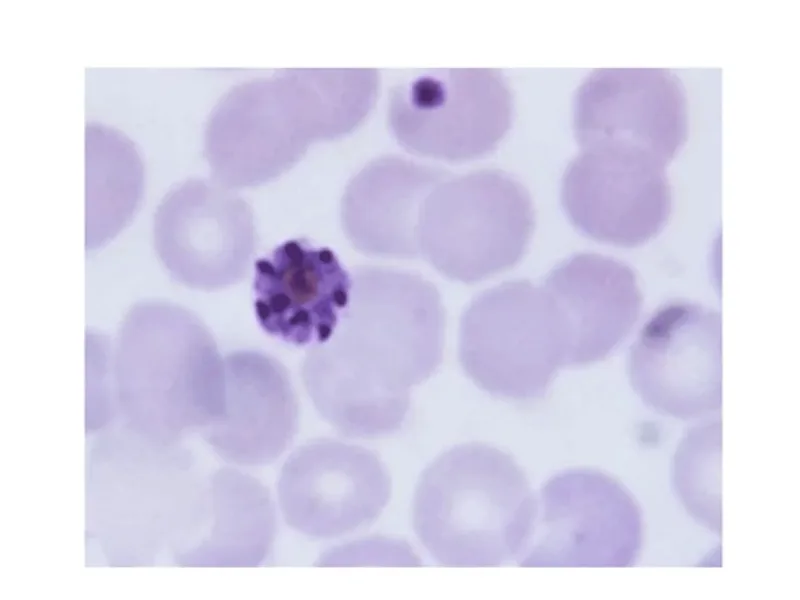
Understand the peripheral blood smear test for malaria diagnosis, its procedure, and what results mean for patients.
April 20, 2026
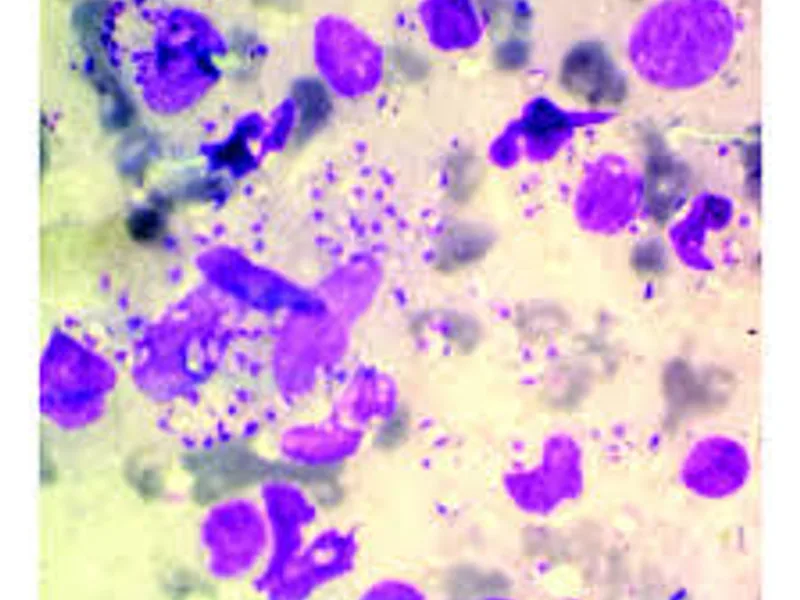
Discover how specialized staining techniques, like Giemsa, are crucial for accurately diagnosing Leishmaniasis, identifying the parasite, and guiding timely treatment. Understand this key diagnostic approach.
April 20, 2026
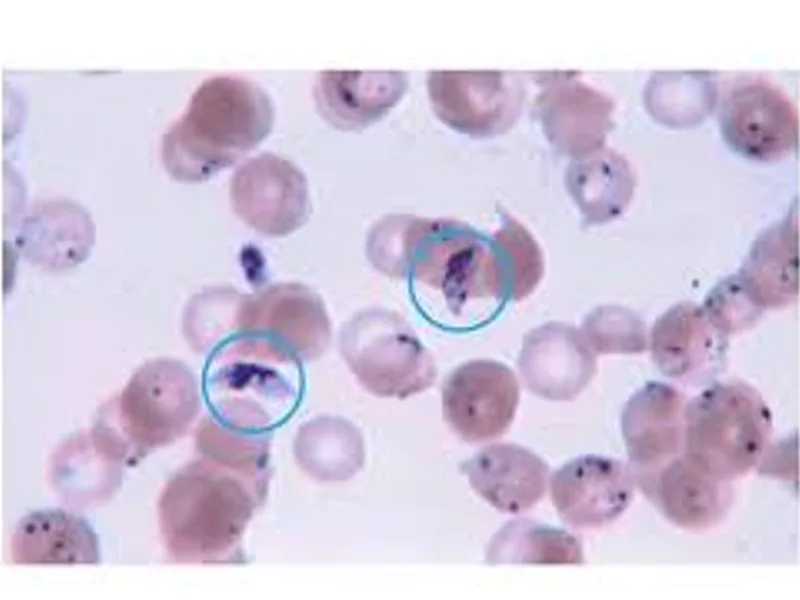
Understand the peripheral blood smear test for malaria diagnosis, its procedure, and why it's a vital tool in combating this disease.
April 20, 2026