

Free Helpline
We are here to assist you.
Health Advisor
+91-8877772277Available 7 days a week
10:00 AM – 6:00 PM to support you with urgent concerns and guide you toward the right care.

We are here to assist you.
Health Advisor
+91-8877772277Available 7 days a week
10:00 AM – 6:00 PM to support you with urgent concerns and guide you toward the right care.
Understand the overlapping symptoms of cold, flu, COVID-19, and early HIV. Learn about risks, the importance of testing, and prevention strategies for a healthier life.

In today's world, distinguishing between common respiratory illnesses like the cold, flu, and COVID-19 can be challenging due to their overlapping symptoms. Adding another layer of complexity, the early stages of Human Immunodeficiency Virus (HIV) can also mimic these familiar ailments. This guide aims to clarify the differences, highlight potential risks, and emphasize the importance of testing and prevention, particularly for individuals in India.
It's estimated that a significant portion of individuals living with HIV may not be aware of their status. This lack of awareness can lead to delayed diagnosis and treatment, potentially increasing the risk of complications from other infections. The symptoms of a common cold, influenza (flu), COVID-19, and early HIV infection can be remarkably similar, making it difficult to self-diagnose. This confusion is compounded by the fact that the COVID-19 pandemic has, in some regions, led to a decrease in routine testing for other viruses, including HIV.
In adults, a common cold typically does not cause a fever. If a fever is present, it might indicate a different condition.
COVID-19 symptoms can vary widely but often include:
Within the first 2 to 4 weeks after contracting HIV, some individuals may experience flu-like symptoms. This stage is known as acute retroviral syndrome (ARS). It's estimated that about two-thirds of people who contract HIV will develop these symptoms. These can include:
These symptoms can last for a few days or up to a few weeks. It is crucial to understand that not everyone with early HIV will experience these symptoms.
Given the symptom overlap, testing is the only definitive way to know if you have HIV. Early detection is paramount for effective management and treatment. If you suspect you might have been exposed to HIV or are experiencing any of the symptoms mentioned, especially if they are persistent or severe, consult a healthcare professional for testing.
For individuals living with untreated HIV or those with Stage 3 HIV (AIDS), especially with low CD4 cell counts, the risk of complications from infections like the flu or COVID-19 is significantly higher. CD4 cells are a type of white blood cell crucial for immune function. When HIV attacks and destroys these cells, the immune system weakens, making the body more vulnerable to opportunistic infections and severe illness.
A typical CD4 count in a healthy individual is usually above 500 cells per cubic millimeter of blood. A count below 200 indicates a severely compromised immune system and is a hallmark of AIDS. The lower the CD4 count, the greater the risk of serious complications from common infections.
The landscape of HIV management has transformed dramatically. With the advent of Antiretroviral Therapy (ART), HIV is now a manageable chronic condition. For individuals who adhere to their ART regimen, the amount of HIV in their body can become undetectable. When HIV is undetectable, it cannot be transmitted to others, and the risk of developing AIDS and serious complications from other infections is significantly reduced.
Key points regarding treatment:
While research continues, adherence to HIV treatment appears to play a vital role in reducing the risk of complications, including mortality, for individuals who also contract COVID-19. However, it's important to note that some studies show conflicting evidence, underscoring the need for continued vigilance and adherence to treatment.
Preventing infections is key for everyone, especially for those with compromised immune systems. Here are essential preventive measures:
It is important to seek medical attention if you experience any of the following, especially if you have HIV or a weakened immune system:
If you suspect you have been exposed to HIV or are experiencing symptoms that could indicate early HIV infection, get tested immediately. Early diagnosis and treatment can save your life and ensure a good quality of life.
No, you cannot get HIV from casual contact, including having a cold, flu, or COVID-19. HIV is transmitted through specific bodily fluids, primarily blood, semen, pre-seminal fluid, rectal fluids, vaginal fluids, and breast milk, from a person with HIV who has a detectable viral load.
If your HIV is well-managed with ART and your viral load is undetectable, your risk of severe complications from a cold is generally not higher than in someone without HIV. However, if your HIV is untreated or poorly controlled (low CD4 count), you are at a higher risk of developing more severe illness from common infections.
It's very difficult to tell based on symptoms alone due to the overlap. The only way to definitively diagnose HIV is through an HIV test. If you have any concerns about potential HIV exposure or are experiencing severe or persistent flu-like symptoms, consult a healthcare provider for testing and diagnosis.
Currently, there is no cure for HIV. However, with consistent and effective ART, HIV can be managed as a chronic condition. People with HIV can live long, healthy lives and achieve an undetectable viral load, meaning the virus is not detectable in their blood and cannot be transmitted to others.
The most important step is to get tested for HIV as soon as possible. If the exposure was recent (within 72 hours), talk to a healthcare provider immediately about Post-Exposure Prophylaxis (PEP), which can prevent HIV infection if taken promptly.
This section adds practical context and preventive advice to help readers make informed healthcare decisions. It is important to verify symptoms early, consult qualified doctors, and avoid self-medication for persistent health issues.
Maintaining healthy routines, following prescribed treatment plans, and attending regular checkups can improve outcomes. If symptoms worsen or red-flag signs appear, immediate medical evaluation is recommended.
Track symptoms and duration.
Follow diagnosis and treatment from a licensed practitioner.
Review medication side effects with your doctor.
Seek urgent care for severe warning signs.
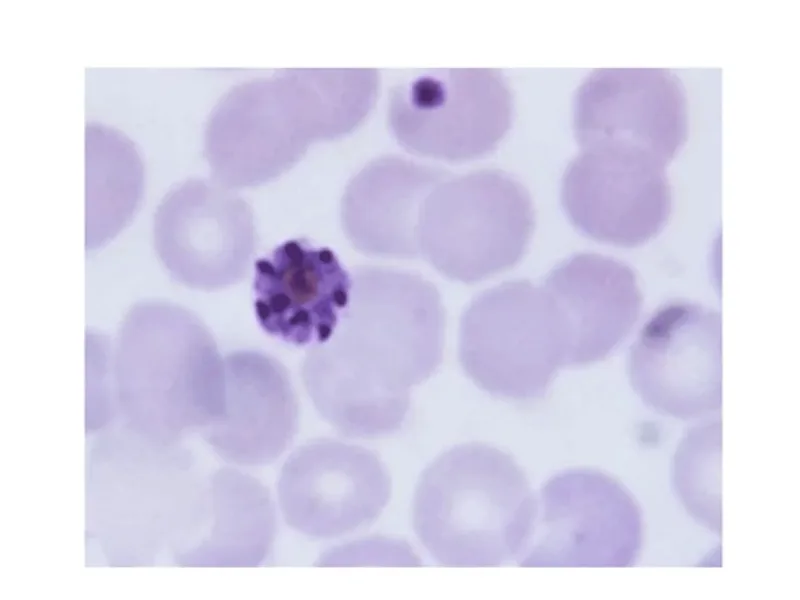
Understand the peripheral blood smear test for malaria diagnosis, its procedure, and what results mean for patients.
April 20, 2026
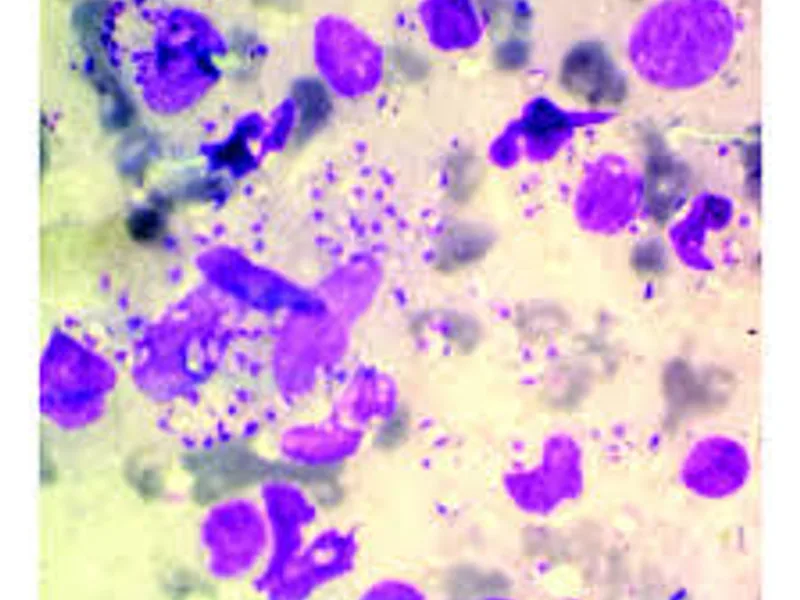
Discover how specialized staining techniques, like Giemsa, are crucial for accurately diagnosing Leishmaniasis, identifying the parasite, and guiding timely treatment. Understand this key diagnostic approach.
April 20, 2026
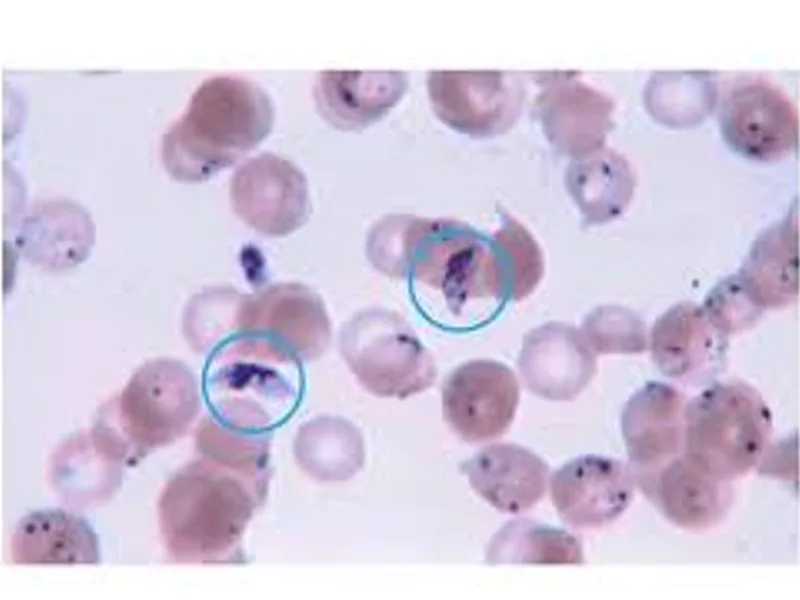
Understand the peripheral blood smear test for malaria diagnosis, its procedure, and why it's a vital tool in combating this disease.
April 20, 2026