

Free Helpline
We are here to assist you.
Health Advisor
+91-8877772277Available 7 days a week
10:00 AM – 6:00 PM to support you with urgent concerns and guide you toward the right care.

We are here to assist you.
Health Advisor
+91-8877772277Available 7 days a week
10:00 AM – 6:00 PM to support you with urgent concerns and guide you toward the right care.
Learn about blood oxygen levels, what's considered too low, and how to use a pulse oximeter, especially if you have COVID-19. Understand the importance of monitoring and when to seek medical help.

Blood oxygen level, often referred to as SpO2, is a measurement of how much oxygen your red blood cells are carrying. Oxygen is vital for every cell in your body to function properly. It's transported from your lungs to the rest of your body via your bloodstream. When you inhale, oxygen enters your lungs and then passes into your blood. This oxygen is then carried by haemoglobin in your red blood cells to all your organs and tissues. A healthy blood oxygen level is crucial for maintaining bodily functions, from thinking and moving to keeping your heart beating. For most healthy individuals, a normal blood oxygen saturation level is typically between 95% and 100%.
COVID-19 is a respiratory illness that can significantly impact your lungs. In severe cases, the inflammation caused by the virus can make it difficult for your lungs to transfer oxygen from the air into your bloodstream. This can lead to a condition called hypoxemia, where your blood oxygen levels drop dangerously low. Low oxygen levels can prevent your body's organs and tissues from getting the oxygen they need to function, which can be life-threatening. Monitoring your blood oxygen levels at home, particularly if you have COVID-19, can provide valuable insights into the severity of your infection and your recovery progress. It allows you to detect a drop in oxygen levels early, enabling you to seek timely medical attention.
A pulse oximeter, often called a 'pulse ox', is a small, non-invasive medical device that can quickly measure your blood oxygen saturation level. You've likely had one clipped onto your finger at a doctor's office or hospital. The device works by shining a light through your fingertip and measuring how much light is absorbed by your blood. This information is then used to calculate your blood oxygen level as a percentage. Pulse oximeters are generally inexpensive and easy to use at home, making them a useful tool for monitoring your health.
For most people, a blood oxygen level of 95% or higher is considered normal and healthy. However, if you have a chronic lung condition, your baseline oxygen level might be lower, and your doctor will provide specific guidance. For individuals with COVID-19 or other acute respiratory illnesses, a blood oxygen level below 90% is considered dangerously low and a sign that you need to seek urgent medical care. It's important to remember that sometimes, blood oxygen levels can drop to critical levels without obvious symptoms like severe shortness of breath. This is why using a pulse oximeter can be so beneficial.
It's important to be aware that pulse oximeter readings are not always perfectly accurate and can sometimes be affected by factors like skin pigmentation. Studies have shown that in individuals with darker skin tones, pulse oximeter readings may sometimes appear higher than the actual blood oxygen level. This is because the device uses light to measure oxygen, and skin tone can influence how that light is absorbed and reflected. If you have darker skin, it's advisable to:
In cases where accuracy is critical, a blood test called an arterial blood gas (ABG) can provide a more precise measurement of blood oxygen levels.
When your blood oxygen level drops too low (hypoxemia), your body's organs and tissues don't receive enough oxygen to function correctly. This can lead to a range of symptoms, which can vary in severity. Some individuals may experience:
In severe cases, prolonged low oxygen levels can lead to serious complications, including organ damage and even death. This underscores the importance of monitoring and seeking prompt medical attention when your oxygen levels are low.
It is crucial to consult a doctor or seek immediate medical attention if you experience any of the following:
Always follow the advice of your healthcare provider regarding monitoring and treatment, especially if you have underlying health conditions.
While a pulse oximeter is the most convenient and accurate way to measure blood oxygen levels at home, there are other signs you can watch for:
However, these symptoms are not always present when oxygen levels are low, and they can also be caused by other factors. Therefore, a pulse oximeter remains the preferred method for objective measurement.
While monitoring oxygen levels is crucial during illness, maintaining good overall health can support your respiratory system:
For most healthy individuals, a normal blood oxygen saturation level (SpO2) is between 95% and 100%.
While severe stress can sometimes lead to rapid breathing, which might temporarily affect oxygen levels, it's not typically the primary cause of dangerously low oxygen saturation. Significant drops in oxygen are usually related to underlying medical conditions affecting the lungs or circulation.
If you have COVID-19 and are monitoring your oxygen levels at home, follow the specific guidance provided by your doctor. They may recommend checking at regular intervals throughout the day, especially if you have underlying health conditions or are experiencing symptoms.
Pulse oximeters are generally safe and have no known side effects. However, ensure the device is clean and that the clip is not too tight to avoid discomfort or temporary marks on your finger.
If your readings are in the 91-94% range, it's advisable to contact your doctor for guidance. They may ask you to monitor more closely, perform certain breathing exercises, or come in for an evaluation. Do not ignore borderline readings, especially if you have symptoms.
This section adds practical context and preventive advice to help readers make informed healthcare decisions. It is important to verify symptoms early, consult qualified doctors, and avoid self-medication for persistent health issues.
Maintaining healthy routines, following prescribed treatment plans, and attending regular checkups can improve outcomes. If symptoms worsen or red-flag signs appear, immediate medical evaluation is recommended.
Track symptoms and duration.
Follow diagnosis and treatment from a licensed practitioner.
Review medication side effects with your doctor.
Seek urgent care for severe warning signs.
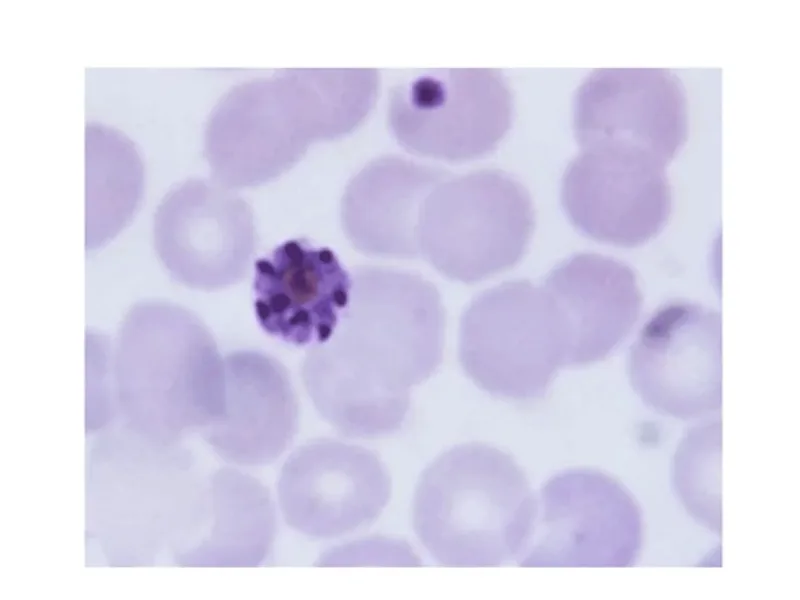
Understand the peripheral blood smear test for malaria diagnosis, its procedure, and what results mean for patients.
April 20, 2026
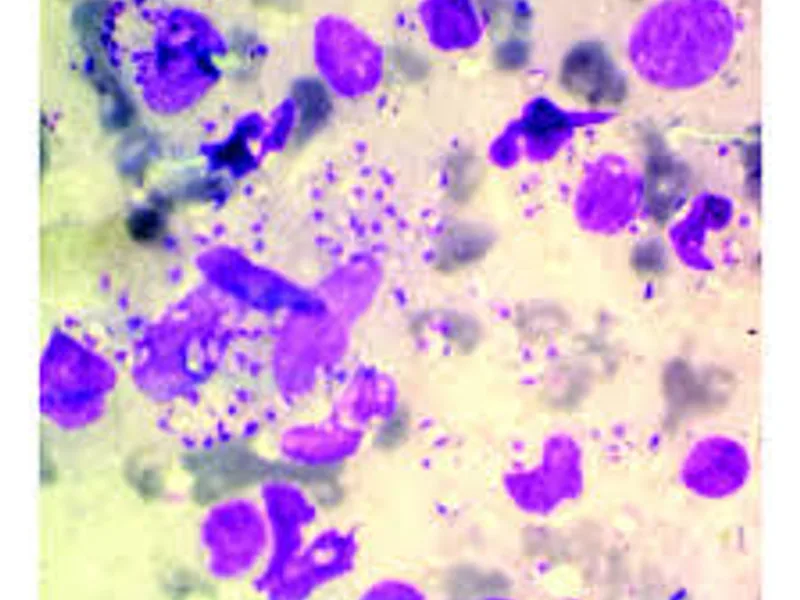
Discover how specialized staining techniques, like Giemsa, are crucial for accurately diagnosing Leishmaniasis, identifying the parasite, and guiding timely treatment. Understand this key diagnostic approach.
April 20, 2026

Understand the peripheral blood smear test for malaria diagnosis, its procedure, and why it's a vital tool in combating this disease.
April 20, 2026