

Free Helpline
We are here to assist you.
Health Advisor
+91-8877772277Available 7 days a week
10:00 AM – 6:00 PM to support you with urgent concerns and guide you toward the right care.

We are here to assist you.
Health Advisor
+91-8877772277Available 7 days a week
10:00 AM – 6:00 PM to support you with urgent concerns and guide you toward the right care.
Learn about tuberculous spondylitis (Pott's disease), a rare but serious infection of the spine caused by TB bacteria. Understand its symptoms, causes, diagnosis, treatment, and prevention strategies.

What is Tuberculous Spondylitis? Tuberculous spondylitis, also known as spinal TB or Pott's disease, is a rare but serious infection that affects the spine. It occurs when the bacteria responsible for tuberculosis (Mycobacterium tuberculosis) spread from an initial infection in another part of the body to the vertebrae. This infection can lead to significant damage to the spinal bones, potentially causing severe pain, abnormal curvature of the spine, and in severe cases, paralysis. While rare, especially in countries with effective TB control programs, it is a critical condition that requires prompt medical attention and treatment. Without timely intervention, it can be fatal. Symptoms of Tuberculous Spondylitis The symptoms of tuberculous spondylitis can be divided into two stages: those related to the initial TB infection and those that appear as the infection progresses to the spine. Early TB Symptoms: Fever Night sweats Unexplained weight loss Fatigue Persistent cough (if the lungs are involved) Spinal Symptoms (as the infection progresses): Severe back pain: This is often the most prominent symptom, typically worsening with movement and at night. Tenderness over the affected vertebrae. Abnormal spinal curvature: This can manifest as a stooped posture or a noticeable hump (kyphosis). Neurological symptoms: If the infection presses on the spinal cord or nerves, it can lead to: Weakness in the legs Difficulty walking Numbness or tingling in the limbs Loss of bowel or bladder control (in severe cases) Abscess formation: Collections of pus can form around the infected vertebrae, which may cause swelling or pain in nearby areas. The severity and type of symptoms depend on how far the infection has spread and whether it has affected the spinal cord or nerves. Causes and Risk Factors Tuberculous spondylitis is caused by the Mycobacterium tuberculosis bacteria. The infection typically begins elsewhere in the body, often in the lungs, and then spreads through the bloodstream or lymphatic system to the spine. Who is at risk? While anyone can develop TB, certain factors increase the risk of severe complications like tuberculous spondylitis: Weakened immune system: This is a primary risk factor. Conditions or treatments that compromise the immune system make it harder for the body to fight off the TB bacteria. This includes: HIV/AIDS Cancer Diabetes Malnutrition Organ transplant recipients Individuals taking immunosuppressant medications (e.g., for autoimmune diseases or after organ transplants) Geographic location: TB is more prevalent in certain parts of the world. Individuals who have recently traveled to or lived in areas where TB is common are at higher risk. Age: While TB can affect people of all ages, older adults and very young children may be more vulnerable. Close contact with an infected person. It's important to note that even with a weakened immune system, TB is relatively rare in countries with robust public health measures. Diagnosis of Tuberculous Spondylitis Diagnosing tuberculous spondylitis involves a comprehensive approach, starting with a thorough medical evaluation. Medical History and Physical Examination: Your doctor will discuss your symptoms, medical history, and any recent travel to high-TB prevalence areas. A physical examination will help assess your back pain, range of motion, and check for any neurological deficits. TB Testing: If TB infection is suspected, diagnostic tests for tuberculosis will be performed: Tuberculin Skin Test (TST) or Mantoux test: A small amount of fluid is injected under the skin of your forearm. A raised bump within 48-72 hours indicates exposure to TB bacteria. Interferon-Gamma Release Assays (IGRAs): These are blood tests that measure the body's immune response to TB bacteria. They are often preferred over TST in certain situations. Imaging Tests: Once TB is confirmed or strongly suspected, imaging tests are crucial to visualize the spine and detect damage: X-rays: Can show changes in the vertebrae, such as bone destruction, narrowing of the disc space, and spinal deformities. MRI (Magnetic Resonance Imaging): Provides detailed images of the spine, revealing soft tissues, spinal cord, nerves, and any abscesses (collections of pus) that may have formed. MRI is often more sensitive than X-rays in detecting early changes. CT (Computed Tomography) scans: Can offer detailed cross-sectional views of the bones and may be used to assess bone destruction and plan surgery. Biopsy: In some cases, a biopsy may be necessary to confirm the diagnosis. A small sample of infected tissue or bone from the spine is taken and examined in a laboratory to identify the presence of TB bacteria. This is particularly useful if imaging tests are inconclusive or if there's suspicion of other conditions like spinal cancer. Treatment for Tuberculous Spondylitis The treatment for tuberculous spondylitis is multi-faceted and aims to eradicate the infection, manage symptoms, and correct any structural damage to the spine. 1. Anti-TB Medications: The cornerstone of treatment is a course of anti-tuberculosis medications. This typically involves a combination of drugs taken for an extended period, usually 6 to 12 months, or sometimes longer, depending on the severity of the infection and the patient's response. 2. Management of Underlying Conditions: If the TB infection is exacerbated by a weakened immune system due to other health issues (like HIV, diabetes, or malnutrition), addressing these underlying conditions is crucial for effective treatment. 3. Pain Management: Medications may be prescribed to manage back pain and inflammation. Physical therapy can also play a role in pain relief and improving mobility. 4. Surgery: Surgery may be recommended in certain situations: To drain abscesses: If large abscesses are causing pressure on the spinal cord or nerves. To
In summary, timely diagnosis, evidence-based treatment, and prevention-focused care improve long-term health outcomes.
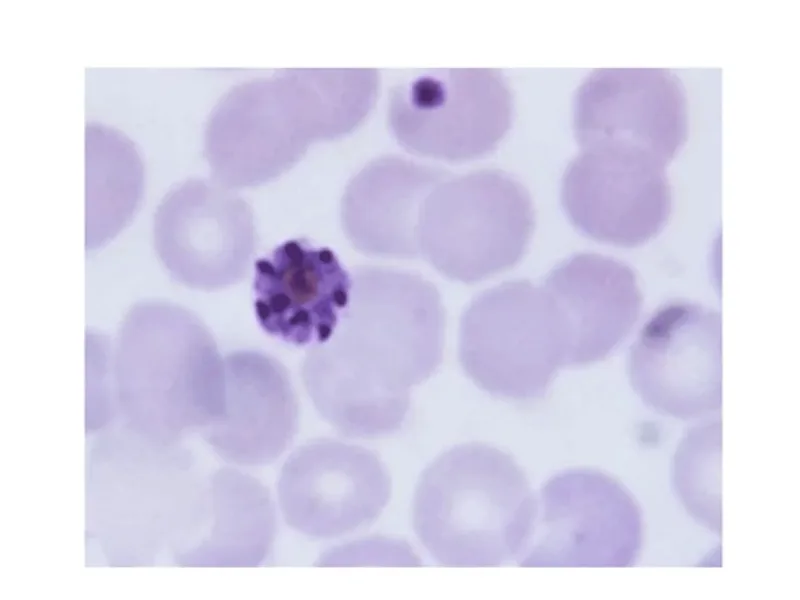
Understand the peripheral blood smear test for malaria diagnosis, its procedure, and what results mean for patients.
April 20, 2026
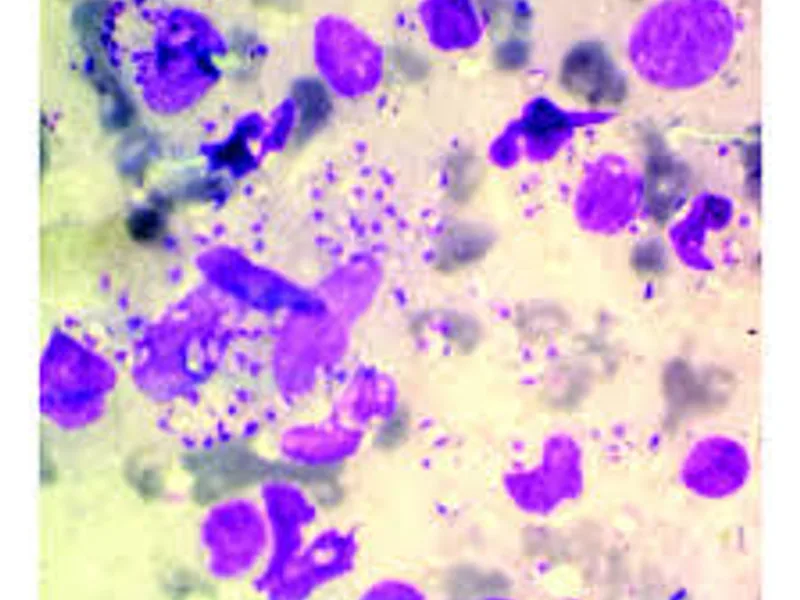
Discover how specialized staining techniques, like Giemsa, are crucial for accurately diagnosing Leishmaniasis, identifying the parasite, and guiding timely treatment. Understand this key diagnostic approach.
April 20, 2026
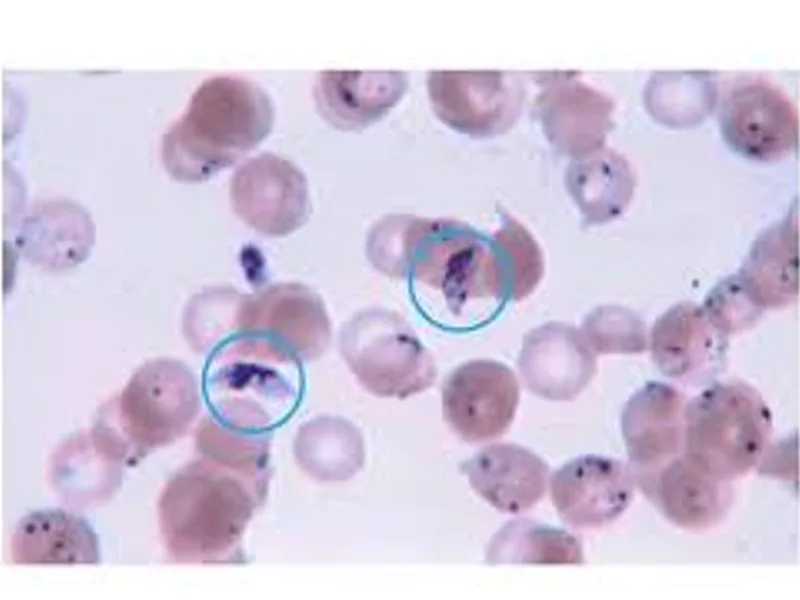
Understand the peripheral blood smear test for malaria diagnosis, its procedure, and why it's a vital tool in combating this disease.
April 20, 2026