

Free Helpline
We are here to assist you.
Health Advisor
+91-8877772277Available 7 days a week
10:00 AM – 6:00 PM to support you with urgent concerns and guide you toward the right care.

We are here to assist you.
Health Advisor
+91-8877772277Available 7 days a week
10:00 AM – 6:00 PM to support you with urgent concerns and guide you toward the right care.
Learn about Tuberculosis (TB), a serious bacterial infection. Understand its stages, symptoms, causes, diagnosis, treatment, and how to prevent its spread. Early detection and complete treatment are vital for recovery.

Understanding Tuberculosis (TB): A Comprehensive Guide Tuberculosis, commonly known as TB, is a serious bacterial infection caused by the Mycobacterium tuberculosis bacteria. It primarily affects the lungs but can also spread to other parts of the body, including the brain, spine, kidneys, and reproductive organs. TB is an airborne disease, meaning it spreads through droplets released into the air when an infected person coughs, sneezes, or talks. While it is a curable disease, untreated TB can be life-threatening. This guide aims to provide a clear and practical understanding of TB for Indian readers, covering its stages, symptoms, causes, diagnosis, treatment, and prevention. Stages of Tuberculosis TB infection progresses through several stages: Exposure: This is the initial stage where an individual comes into contact with the TB bacteria. At this point, the person tests negative for TB, shows no symptoms, and the infection is not yet active. Latent TB: In this stage, the TB bacteria are present in the body but are inactive. The individual may test positive for TB (e.g., through a skin test), but chest X-rays and sputum tests will be normal. There are no symptoms, but the bacteria can potentially become active later. Latent TB requires treatment to prevent progression to active TB. Active TB: This is the stage where the TB bacteria are active and multiplying, causing illness and symptoms. A person with active TB will test positive for the infection, and diagnostic tests like chest X-rays and sputum smears will show abnormalities. Active TB can develop soon after exposure or after years of latent infection. Symptoms of Active TB The symptoms of active TB can vary depending on which part of the body is affected. However, common symptoms, particularly when TB affects the lungs, include: A persistent cough lasting for three weeks or longer Coughing up blood or sputum (phlegm from deep within the lungs) Chest pain, especially when breathing or coughing Fever Chills Night sweats Unexplained weight loss Loss of appetite Fatigue or weakness It's important to note that TB can sometimes mimic mild, cold-like symptoms, which might delay diagnosis and treatment. In some cases, TB can be asymptomatic, especially in its latent stage. Causes and Risk Factors The primary cause of TB is infection with the Mycobacterium tuberculosis bacteria. The bacteria spread through the air when an infected person coughs, sneezes, or talks. Several factors can increase a person's risk of developing active TB after exposure: Weakened Immune System: Conditions like HIV/AIDS, diabetes, cancer, and certain medical treatments (such as chemotherapy or organ transplant medications) can weaken the immune system, making it harder to fight off TB bacteria. Age: Babies, young children, and older adults are more susceptible to developing active TB. Malnutrition: Poor nutrition can compromise the immune system. Close Contact: Living or working closely with someone who has active, untreated TB increases the risk of infection. Smoking: Smoking significantly increases the risk of developing TB and can also lead to drug-resistant TB. Environmental Factors: Poor ventilation and overcrowding can facilitate the spread of TB. Diagnosis of Tuberculosis Diagnosing TB involves several steps to confirm the presence of the bacteria and determine if the infection is latent or active: Medical History and Physical Exam: A doctor will ask about your symptoms, medical history, and potential exposure to TB. TB Skin Test (Mantoux test): A small amount of fluid is injected under the skin of your forearm. If you have TB bacteria in your body, a raised, hard bump will appear at the injection site within 48-72 hours. TB Blood Test (Interferon-Gamma Release Assay - IGRA): This test measures the body's response to TB bacteria by analyzing a blood sample. Chest X-ray: This imaging test can reveal abnormalities in the lungs that may indicate TB. Sputum Smear Microscopy and Culture: Samples of sputum are examined under a microscope for TB bacteria and cultured in a lab to confirm the diagnosis and identify the specific strain of bacteria. This also helps in determining drug resistance. Treatment for Tuberculosis Tuberculosis is curable with the right treatment. Treatment involves a course of antibiotics, and it is crucial to complete the entire prescribed course, even if you start feeling better. Skipping doses or stopping treatment early can lead to the infection becoming resistant to medications, making it much harder to treat. Latent TB Treatment: Typically involves a course of antibiotics for 6 to 9 months. Active TB Treatment: Usually requires a combination of several antibiotics taken for 6 to 12 months. The specific drugs and duration depend on the type of TB, its location in the body, and any drug resistance. Adherence to medication is paramount. Patients must take their medications exactly as prescribed by their doctor. Directly Observed Therapy (DOT) is a strategy where a healthcare worker watches the patient take their medication to ensure adherence. Prevention of Tuberculosis Preventing TB involves several strategies: Vaccination: The BCG (Bacille Calmette-Guérin) vaccine is available and can help protect children against severe forms of TB. However, its effectiveness in adults is variable. Early Diagnosis and Treatment: Promptly seeking medical attention for symptoms and completing treatment for TB are crucial to prevent spread. Infection Control: In healthcare settings and crowded environments, good ventilation and respiratory hygiene practices (like covering coughs and sneezes) are important. Public Health Measures: Awareness campaigns, screening programs, and ensuring access to healthcare are vital for controlling TB outbreaks. Lifestyle Modifications: Avoiding smoking and maintaining a healthy lifestyle
In summary, timely diagnosis, evidence-based treatment, and prevention-focused care improve long-term health outcomes.
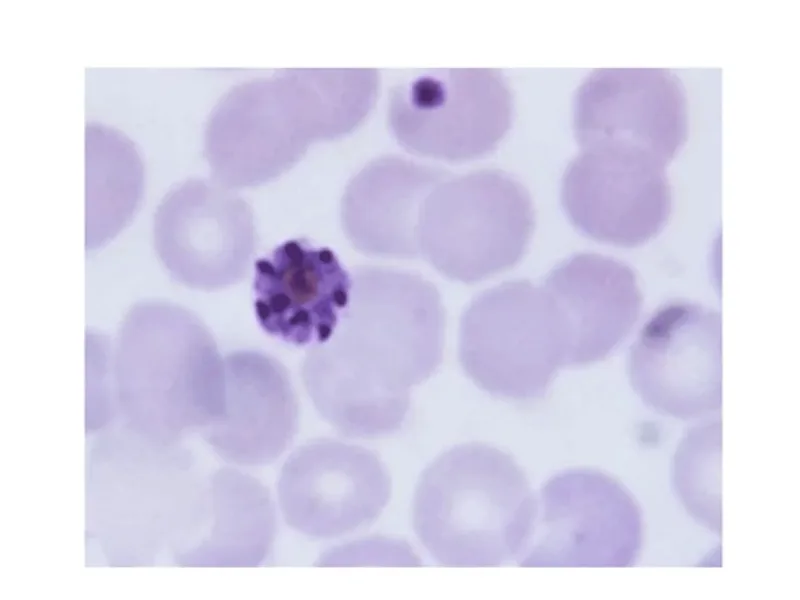
Understand the peripheral blood smear test for malaria diagnosis, its procedure, and what results mean for patients.
April 20, 2026
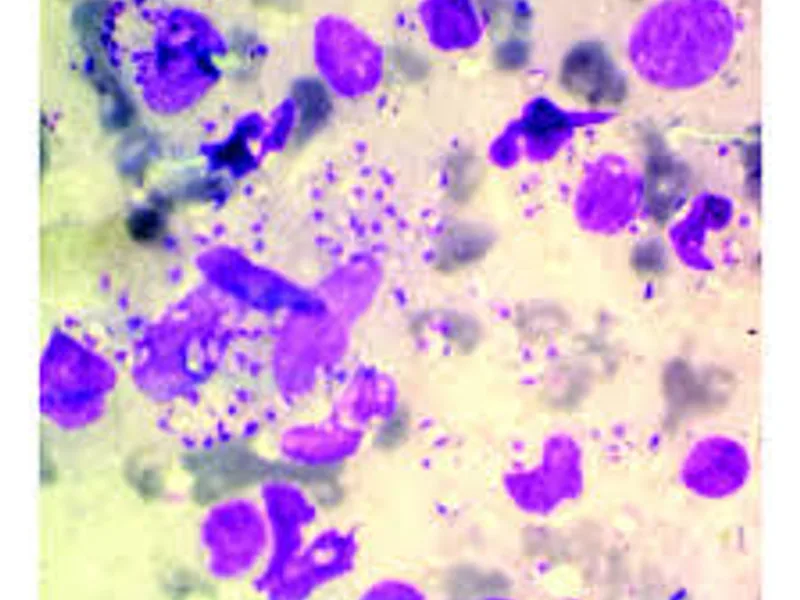
Discover how specialized staining techniques, like Giemsa, are crucial for accurately diagnosing Leishmaniasis, identifying the parasite, and guiding timely treatment. Understand this key diagnostic approach.
April 20, 2026
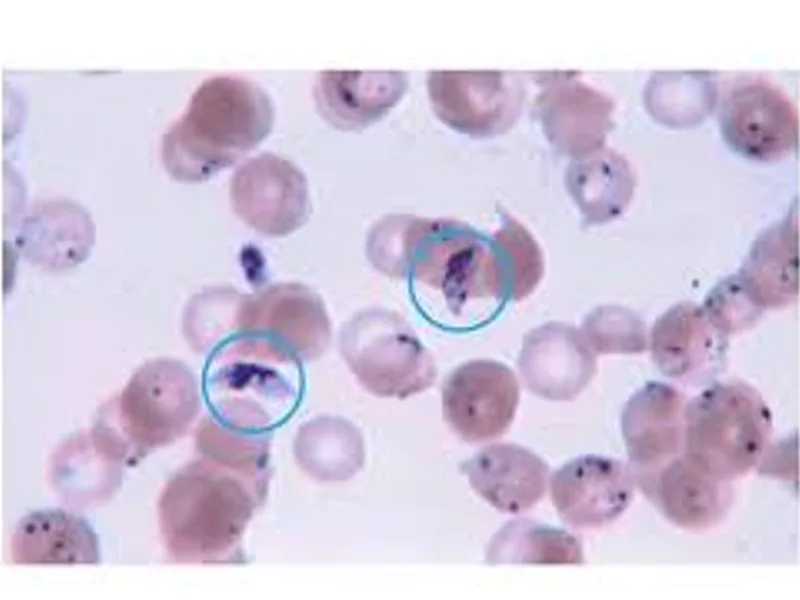
Understand the peripheral blood smear test for malaria diagnosis, its procedure, and why it's a vital tool in combating this disease.
April 20, 2026