

Free Helpline
We are here to assist you.
Health Advisor
+91-8877772277Available 7 days a week
10:00 AM – 6:00 PM to support you with urgent concerns and guide you toward the right care.

We are here to assist you.
Health Advisor
+91-8877772277Available 7 days a week
10:00 AM – 6:00 PM to support you with urgent concerns and guide you toward the right care.
Learn about the tetanus vaccine, its importance in preventing lockjaw, common and rare side effects, and when to seek medical advice. Stay protected with timely boosters.

The tetanus vaccine is a crucial tool in preventing a serious and potentially fatal bacterial infection known as tetanus, or lockjaw. Caused by the bacterium Clostridium tetani (C. tetani), which thrives in soil and manure, tetanus typically enters the body through an open wound. The disease is characterized by painful muscle spasms, particularly in the jaw and neck, making it difficult to open the mouth or swallow. While rare in developed countries, tetanus remains a significant threat globally, with a high fatality rate if contracted.
The tetanus vaccine works by stimulating your immune system to produce antibodies that fight off the toxin produced by the C. tetani bacterium. This vaccine is often combined with vaccines for other serious diseases like diphtheria and pertussis (whooping cough), offering comprehensive protection. The primary formulations include:
Adhering to the recommended vaccination schedule is vital for maintaining lifelong immunity:
Most side effects experienced after a tetanus shot are mild and indicate that your body is building immunity. These are generally short-lived and manageable. Common side effects include:
It's important to remember that these mild reactions are a sign that the vaccine is working effectively. Your body is learning to recognize and fight the tetanus toxin.
For most individuals, managing mild side effects is straightforward:
While severe reactions to the tetanus vaccine are very rare, it is crucial to be aware of the signs and seek immediate medical care if they occur. These serious side effects, though uncommon, can include:
In rare instances, individuals may have had a severe reaction to a previous dose of DTaP or Tdap. In such cases, adults can still receive the Td vaccine, which does not contain the pertussis component. Similarly, children under 7 who are sensitive to the pertussis component can be given the DT vaccine.
The best prevention against tetanus is vaccination. Ensure you and your family are up-to-date with your tetanus shots, especially receiving the Td booster every 10 years. If you have any concerns about the tetanus vaccine, its side effects, or your vaccination history, it is always best to consult with your healthcare provider. They can provide personalized advice based on your medical history and current health status.
Disclaimer: This information is for general knowledge and informational purposes only, and does not constitute medical advice. It is essential to consult with a qualified healthcare professional for any health concerns or before making any decisions related to your health or treatment.
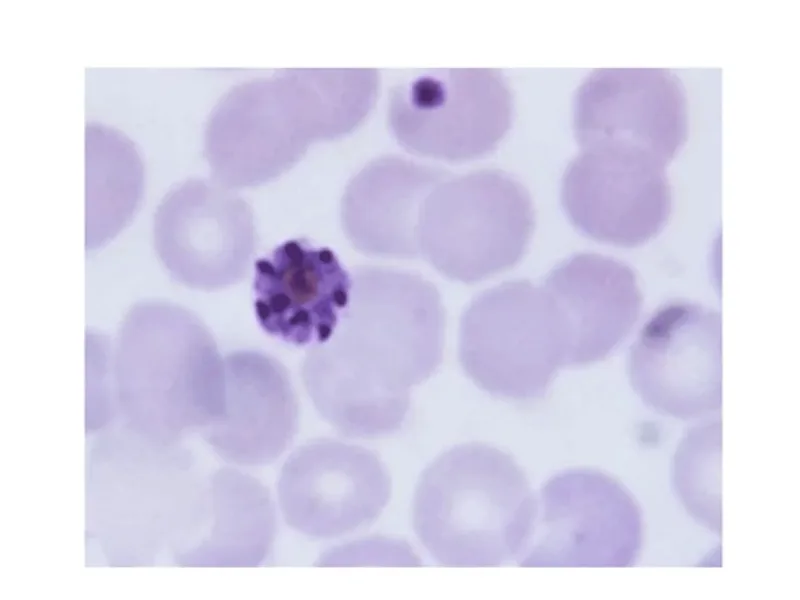
Understand the peripheral blood smear test for malaria diagnosis, its procedure, and what results mean for patients.
April 20, 2026
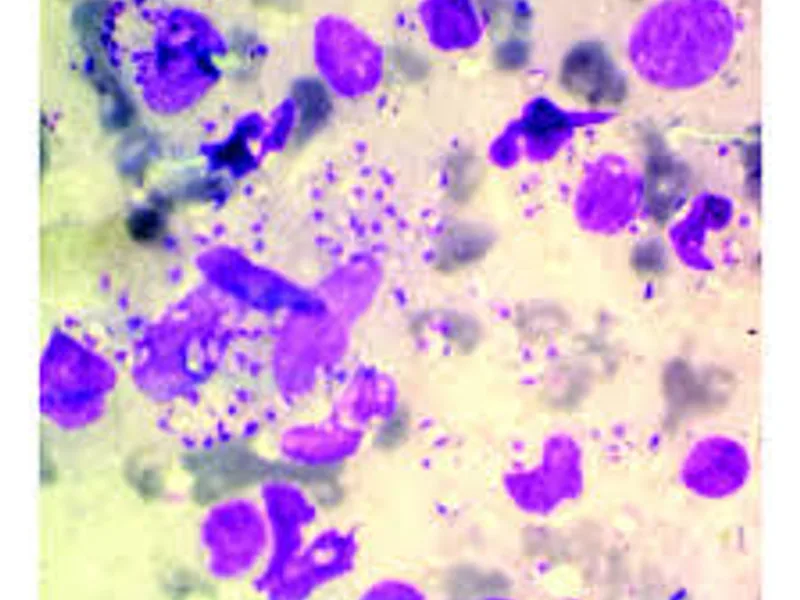
Discover how specialized staining techniques, like Giemsa, are crucial for accurately diagnosing Leishmaniasis, identifying the parasite, and guiding timely treatment. Understand this key diagnostic approach.
April 20, 2026
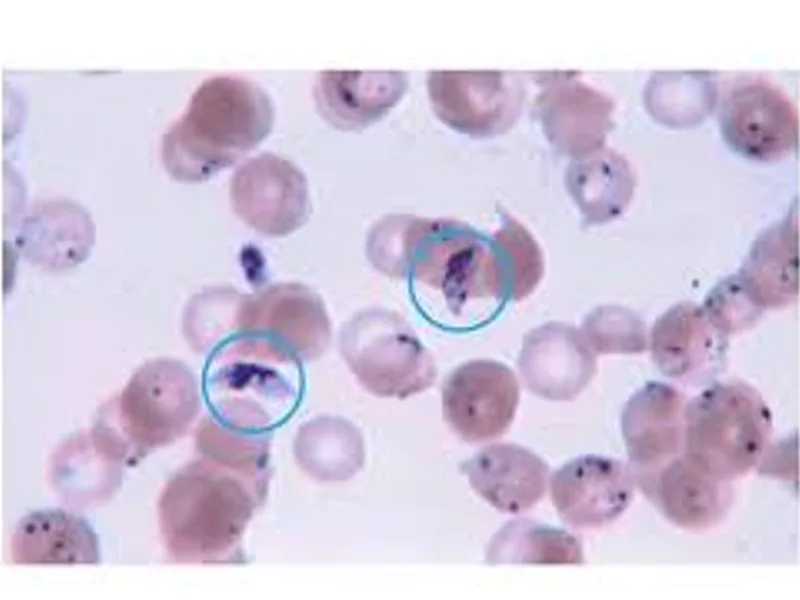
Understand the peripheral blood smear test for malaria diagnosis, its procedure, and why it's a vital tool in combating this disease.
April 20, 2026