

Free Helpline
We are here to assist you.
Health Advisor
+91-8877772277Available 7 days a week
10:00 AM – 6:00 PM to support you with urgent concerns and guide you toward the right care.

We are here to assist you.
Health Advisor
+91-8877772277Available 7 days a week
10:00 AM – 6:00 PM to support you with urgent concerns and guide you toward the right care.
Learn about Systemic Gonococcal Infection (DGI), a serious complication of gonorrhea where bacteria spread through the bloodstream. Understand symptoms, causes, diagnosis, treatment, and prevention.

Gonorrhea is a common sexually transmitted infection (STI) caused by the bacterium Neisseria gonorrhoeae . While often treatable, it can lead to serious complications if left untreated. One such severe complication is Systemic Gonococcal Infection, also known as Disseminated Gonococcal Infection (DGI). This condition occurs when the gonorrhea bacteria spread from the initial site of infection through the bloodstream to other parts of the body, potentially causing widespread inflammation and damage. What is Disseminated Gonococcal Infection (DGI)? DGI is a serious manifestation of gonorrhea where the bacteria have entered the bloodstream and disseminated to various organs and tissues. This can lead to a range of symptoms and complications affecting joints, skin, heart, and the central nervous system. The Centers for Disease Control and Prevention (CDC) reported a significant increase in gonorrhea cases in recent years, highlighting the importance of awareness and prompt treatment to prevent such complications. Symptoms of Gonorrhea and DGI It's crucial to understand that not everyone infected with gonorrhea experiences symptoms, especially in the early stages. This is particularly true for women. When symptoms do appear, they can vary depending on the site of infection and whether the bacteria have disseminated. Symptoms of Gonorrhea: Painful urination or a burning sensation during urination. Unusual discharge from the penis or vagina, which may be white, yellow, or green. Pain or swelling in one testicle (in men). Painful sexual intercourse, bleeding between periods, or pelvic pain (in women). Symptoms of Disseminated Gonococcal Infection (DGI): When gonorrhea is left untreated, the bacteria can spread, leading to DGI. Symptoms of DGI are often more systemic and can include: General feeling of illness or malaise. Fever. Skin rash, which may appear as pink or red spots that can develop into pus-filled lesions. Joint pain and inflammation (arthritis), often affecting the wrists, knees, or ankles. Tendon pain, particularly in the wrists or heels. In rare cases, DGI can lead to more severe complications affecting the heart (gonococcal endocarditis) or the membranes covering the brain and spinal cord (gonococcal meningitis). Causes and Risk Factors Gonorrhea is primarily transmitted through vaginal, anal, or oral sexual contact with an infected person. The bacteria, Neisseria gonorrhoeae , thrive in warm, moist environments like the reproductive tract, mouth, throat, and rectum. How Gonorrhea Spreads: Unprotected vaginal, anal, or oral sex. Mother-to-child transmission during childbirth if the mother has an untreated infection, which can affect the baby's eyes. Risk Factors for Gonorrhea and DGI: Having unprotected sex with multiple partners. Having a new sexual partner. A history of other STIs, as having one STI can increase the risk of contracting another. Not using condoms or other barrier methods consistently during sexual activity. Younger age, as adolescents and young adults are more frequently diagnosed with gonorrhea. DGI can develop within two weeks of contracting gonorrhea. Once the bacteria enter the bloodstream, they can travel to various parts of the body, leading to the systemic symptoms described above. Diagnosis Diagnosing gonorrhea and DGI involves a combination of clinical evaluation and laboratory testing. Early and accurate diagnosis is crucial for effective treatment and preventing complications. Diagnostic Methods: Physical Examination: A doctor will assess your symptoms and medical history. Laboratory Tests: The primary method for diagnosing gonorrhea is through laboratory analysis of samples. These samples can be collected from the affected areas, such as the cervix, urethra, rectum, throat, or from a urine sample. Cultures: A sample is sent to a laboratory to grow the bacteria and confirm the presence of Neisseria gonorrhoeae . Results are typically available within 24 hours. NAATs (Nucleic Acid Amplification Tests): These highly sensitive tests detect the genetic material of the bacteria and are often used for gonorrhea testing. Blood Tests: In cases of suspected DGI, blood tests may be conducted to check for the presence of bacteria in the bloodstream and assess for inflammation or organ involvement. Joint Fluid Analysis: If gonococcal arthritis is suspected, fluid may be drawn from an affected joint and analyzed. It's important to note that gonorrhea often co-exists with other STIs, such as chlamydia. Therefore, doctors may recommend testing for multiple infections simultaneously. Treatment The treatment for gonorrhea and DGI relies on antibiotics. However, the emergence of antibiotic-resistant strains of gonorrhea poses a significant challenge. Treatment for Gonorrhea: The recommended treatment for uncomplicated gonorrhea typically involves a single injection of ceftriaxone, often combined with an oral antibiotic like azithromycin. The specific antibiotic regimen may vary based on local resistance patterns and guidelines. Treatment for DGI: For DGI, treatment is more intensive. Antibiotics are usually administered intravenously (through the vein) initially to quickly combat the widespread infection. This is followed by a course of oral antibiotics, with the total treatment duration typically lasting around 7 to 14 days, depending on the severity and specific complications. Important Considerations: Complete the Full Course: It is vital to complete the entire course of antibiotics as prescribed by your doctor, even if symptoms improve quickly. Stopping treatment early can lead to the infection returning or the development of antibiotic resistance. Partner Notification and Treatment: All sexual partners of an infected individual should be notified, tested, and treated to prevent reinfection and further spread of the STI. Abstinence: It is recommended to abstain from sexual activity until both you and your sexual partners have completed treatment and all symptoms have resolved. Prevention Preventing gonorrhea and DGI involves practicing safe sex and seeking regular STI testing. Key Prevention Strategies: Consistent
In summary, timely diagnosis, evidence-based treatment, and prevention-focused care improve long-term health outcomes.
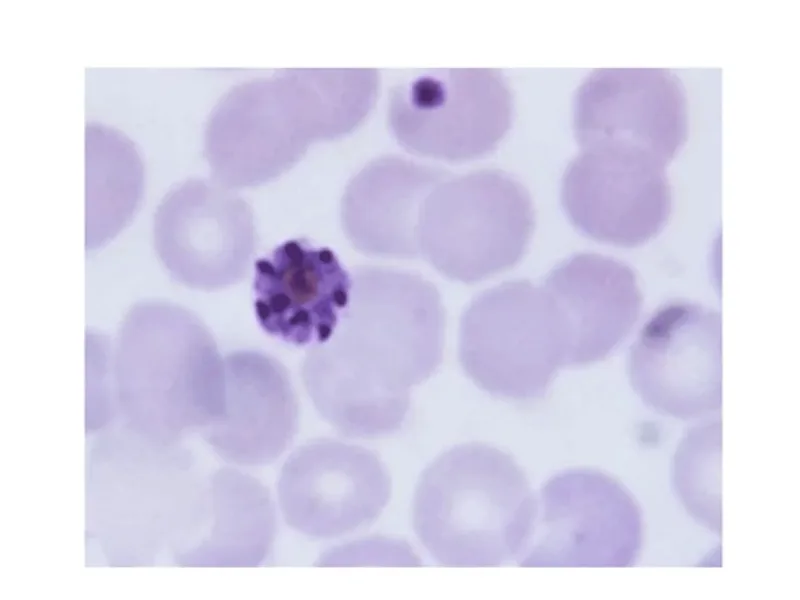
Understand the peripheral blood smear test for malaria diagnosis, its procedure, and what results mean for patients.
April 20, 2026
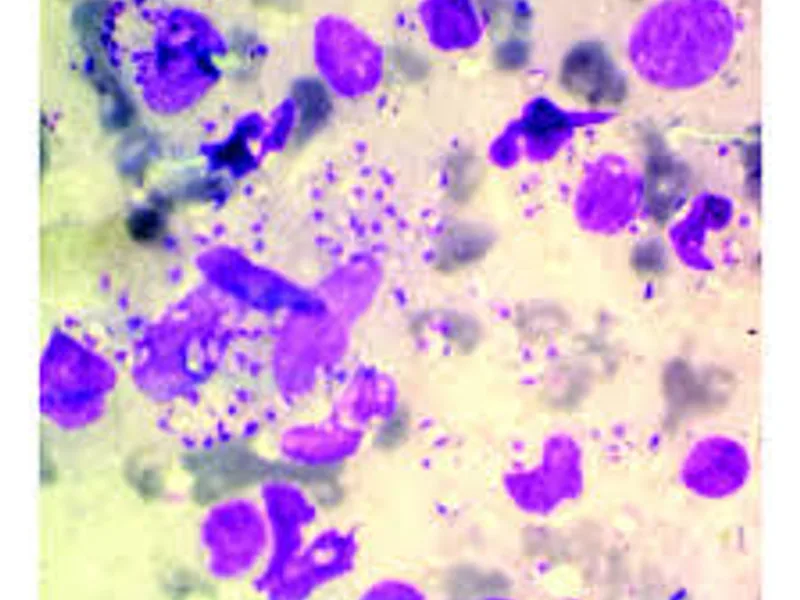
Discover how specialized staining techniques, like Giemsa, are crucial for accurately diagnosing Leishmaniasis, identifying the parasite, and guiding timely treatment. Understand this key diagnostic approach.
April 20, 2026
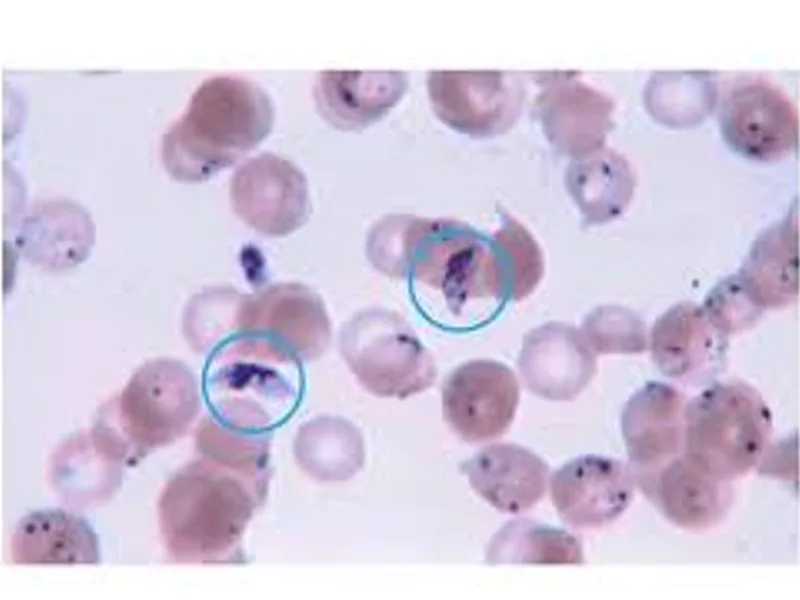
Understand the peripheral blood smear test for malaria diagnosis, its procedure, and why it's a vital tool in combating this disease.
April 20, 2026