

Free Helpline
We are here to assist you.
Health Advisor
+91-8877772277Available 7 days a week
10:00 AM – 6:00 PM to support you with urgent concerns and guide you toward the right care.

We are here to assist you.
Health Advisor
+91-8877772277Available 7 days a week
10:00 AM – 6:00 PM to support you with urgent concerns and guide you toward the right care.
Explore the world of synthetic nicotine: what it is, how it's made, its regulatory status, and the potential health risks involved. Understand why it's not a safe alternative.

Understanding Synthetic Nicotine: A Modern Health Concern In recent years, the landscape of nicotine consumption has evolved significantly, with the rise of vaping and electronic cigarettes. Alongside traditional tobacco-derived nicotine, a new form has emerged: synthetic nicotine. Often marketed as a "cleaner" or "safer" alternative, synthetic nicotine is created in a laboratory without the use of tobacco plants. However, understanding its true nature and potential health implications is crucial for making informed decisions about your well-being. This article delves into what synthetic nicotine is, how it's made, its regulatory status, and the potential risks associated with its use, particularly for the Indian context where awareness and access to information are key. What is Synthetic Nicotine? Synthetic nicotine, also known as nontobacco nicotine, is chemically identical to the nicotine found in tobacco plants but is produced artificially in a laboratory. This means it doesn't originate from tobacco leaves. The process involves synthesizing nicotine molecules through chemical reactions, often starting with simpler chemical compounds. While this might sound appealingly "clean," it's important to remember that nicotine itself is a highly addictive substance with known physiological effects, regardless of its origin. How is Synthetic Nicotine Made? The production of synthetic nicotine involves complex chemical processes. While the exact methods can vary, they generally involve creating nicotine molecules from non-tobacco chemical precursors. This laboratory synthesis aims to replicate the chemical structure of natural nicotine. The appeal for manufacturers lies in bypassing the agricultural and processing aspects of tobacco cultivation, and potentially in navigating regulatory frameworks that were, until recently, less stringent for synthetic versions. Regulatory Landscape: A Shift in Oversight For a considerable period, synthetic nicotine products operated in a regulatory grey area. In the United States, for instance, they were not regulated by the Food and Drug Administration (FDA) until recently. This lack of oversight meant that the safety and quality of these products were not consistently monitored, and the presence of other potentially harmful chemicals in vape liquids containing synthetic nicotine remained largely unknown. However, this changed in the spring of 2022 with new legislation. In the US, synthetic nicotine is now subject to FDA regulation. This includes requirements such as: Premarket Authorization: Manufacturers must obtain approval from the FDA before selling synthetic nicotine products. Marketing Restrictions: These products cannot be marketed as a healthy alternative to smoking or tobacco products. Age Restrictions: Sales are restricted to individuals aged 21 and older, aligning with regulations for tobacco products. Despite these regulations, challenges remain. Some companies may still be in violation, and the FDA has issued numerous warnings to retailers selling these products to minors. For consumers in India and other regions, understanding the regulatory status in their local context is vital, as regulations can differ significantly. Potential Health Risks of Synthetic Nicotine While the absence of tobacco might lead some to believe synthetic nicotine is harmless, this is a dangerous misconception. Nicotine, in any form, is a potent substance with significant health implications: Addiction: Nicotine is highly addictive. Synthetic nicotine is no different and can lead to dependence, making it difficult to quit. Withdrawal symptoms can include irritability, anxiety, and cravings. Cardiovascular Effects: Nicotine can increase heart rate and blood pressure, potentially posing risks to individuals with pre-existing heart conditions. It can constrict blood vessels, affecting circulation. Brain Development: For adolescents and young adults, whose brains are still developing, nicotine exposure can harm the parts of the brain that control attention, learning, mood, and impulse control. Unknown Chemicals: Because synthetic nicotine products were unregulated for a long time, the other ingredients in these products are often not fully disclosed or understood. This raises concerns about the potential toxicity of inhaling these unknown substances. Comparison to Tobacco: While tobacco smoke contains thousands of chemicals, many of which are known carcinogens, the long-term health effects of inhaling synthetic nicotine and the associated vape aerosol are still under investigation. However, research is increasingly pointing towards significant health risks, and it is not considered a safe alternative to smoking. Is Synthetic Nicotine Safer Than Cigarettes? This is a critical question, and the answer is nuanced but leans towards a strong caution. For years, vaping products, including those with synthetic nicotine, were promoted as a harm-reduction strategy or a tool to quit smoking. However, current scientific understanding suggests otherwise. While it's possible that inhaling vapor might be less harmful than inhaling combusted tobacco smoke, this does not equate to safety. Synthetic nicotine still delivers addictive nicotine, and the long-term effects of inhaling the other components of vape liquids remain a significant concern. It is not a proven safe alternative, and many health organizations advise against using any nicotine products, including e-cigarettes. Quitting Nicotine: A Path to Better Health Regardless of whether you consume nicotine from tobacco or synthetic sources, quitting is one of the best decisions you can make for your health. The journey to becoming nicotine-free can be challenging, but numerous resources are available to support you: Consult a Doctor: Your healthcare provider can offer personalized advice, discuss cessation aids like nicotine replacement therapies (NRTs) or medications, and provide ongoing support. Support Groups: Connecting with others who are also trying to quit can provide motivation and shared experiences. Helplines and Hotlines: Organizations like the Substance Abuse and Mental Health Services Administration (SAMHSA) in the US offer confidential support. In India, national helplines and local health services can provide guidance. Texting Services: Some programs offer text-based support
In summary, timely diagnosis, evidence-based treatment, and prevention-focused care improve long-term health outcomes.
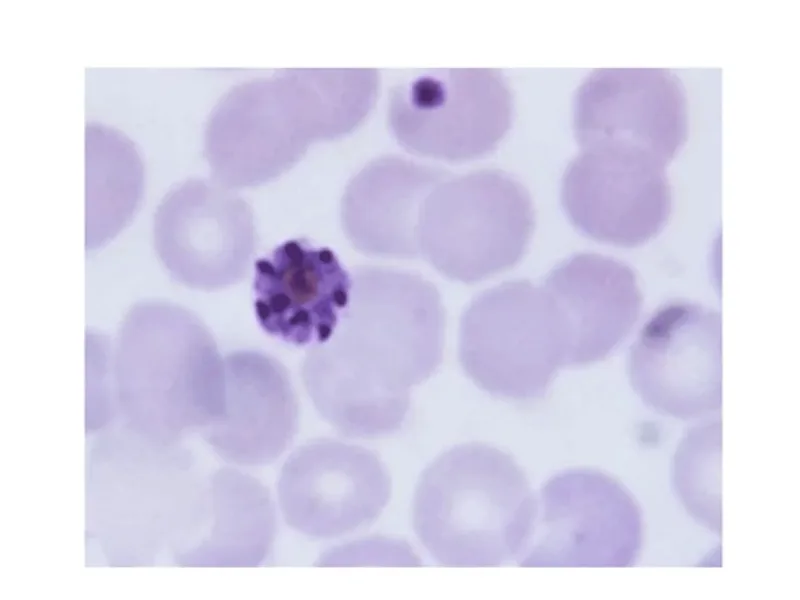
Understand the peripheral blood smear test for malaria diagnosis, its procedure, and what results mean for patients.
April 20, 2026
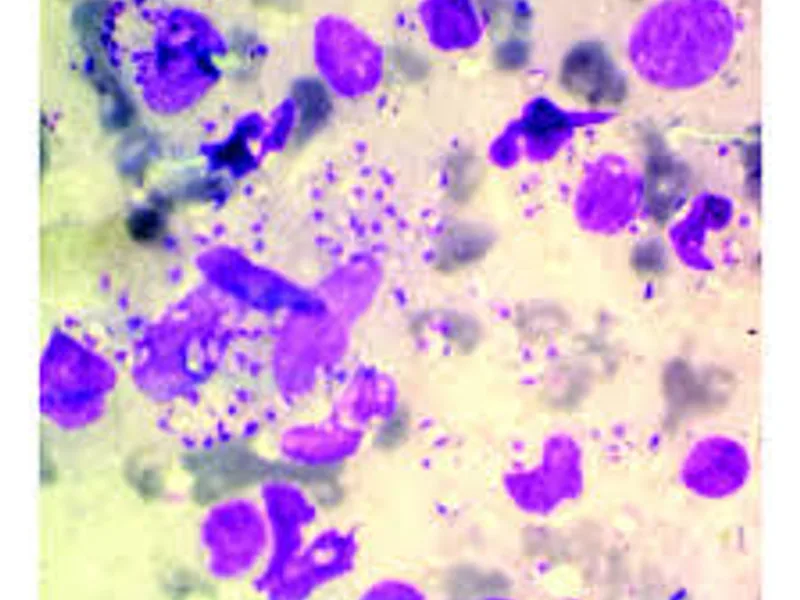
Discover how specialized staining techniques, like Giemsa, are crucial for accurately diagnosing Leishmaniasis, identifying the parasite, and guiding timely treatment. Understand this key diagnostic approach.
April 20, 2026
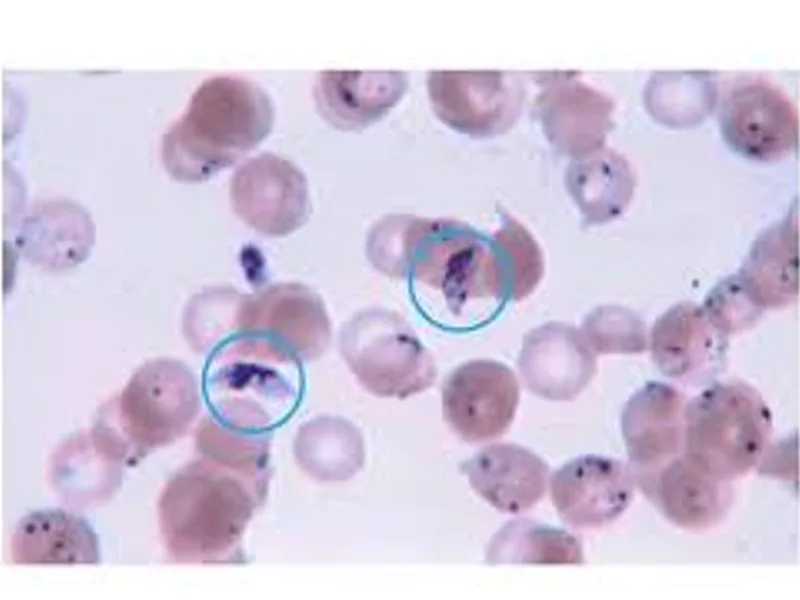
Understand the peripheral blood smear test for malaria diagnosis, its procedure, and why it's a vital tool in combating this disease.
April 20, 2026