

Free Helpline
We are here to assist you.
Health Advisor
+91-8877772277Available 7 days a week
10:00 AM – 6:00 PM to support you with urgent concerns and guide you toward the right care.

We are here to assist you.
Health Advisor
+91-8877772277Available 7 days a week
10:00 AM – 6:00 PM to support you with urgent concerns and guide you toward the right care.
Learn why lymph nodes swell for years, common causes other than cancer, and when to seek medical advice. Understand your body's immune response.

Understanding Swollen Lymph Nodes: More Than Just a Cancer Sign Encountering a swollen lymph node can be a cause for concern, especially when it persists for an extended period. Many people immediately associate swollen lymph nodes with cancer. While this is a possibility, it's crucial to understand that in most cases, swollen lymph nodes are benign and indicate other, less serious health issues. This article aims to demystify swollen lymph nodes, explore their common causes beyond cancer, and guide you on when to seek medical attention. What Are Lymph Nodes and Why Do They Swell? Lymph nodes are small, bean-shaped glands that are a vital part of your immune system. They are located throughout your body, with a significant concentration in the neck, under the chin, in the armpits, and in the groin area. These nodes act as filters, trapping viruses, bacteria, and other foreign substances. When your body is fighting an infection or dealing with inflammation, these nodes can become enlarged or swollen, a condition known as lymphadenopathy. This swelling is a sign that your immune system is actively working. How Long Can Lymph Nodes Stay Swollen? Typically, lymph nodes swell in response to an infection, such as a common cold or throat infection, and usually return to their normal size within a couple of weeks after the infection clears. However, in some instances, lymph nodes can remain swollen for longer periods, even for years. It's important to remember that prolonged swelling doesn't automatically mean cancer. Many benign conditions can cause persistent lymphadenopathy. Common Causes of Swollen Lymph Nodes (Not Cancer) The vast majority of swollen lymph nodes are not cancerous. Here are some common reasons why your lymph nodes might be swollen: Infections: Viral Infections: The most frequent culprits include the common cold, flu, mononucleosis (mono), measles, and chickenpox. Bacterial Infections: Strep throat, ear infections, skin infections (like cellulitis), and tuberculosis can also lead to swollen lymph nodes. Fungal Infections: Less common, but certain fungal infections can cause lymph node swelling. Autoimmune Disorders: Conditions where the immune system mistakenly attacks the body's own tissues can cause chronic inflammation and swollen lymph nodes. Examples include: Lupus Rheumatoid Arthritis Eosinophilic Granulomatosis with Polyangiitis (EGPA) Other Less Common Causes: Allergic Reactions: Severe allergic reactions can sometimes trigger lymph node swelling. Reactions to Medications: Certain drugs, particularly those used to treat epilepsy or inflammatory conditions, can cause lymphadenopathy as a side effect. Lymphoproliferative Disorders: These are a group of diseases characterized by the overproduction of lymphocytes, which are a type of white blood cell. While some of these can be serious, not all are cancerous. Dental Issues: Infections in the teeth or gums can cause nearby lymph nodes, especially in the neck, to swell. Are Swollen Lymph Nodes Harmless If Not Cancer-Related? In most non-cancerous cases, swollen lymph nodes are not harmful in themselves and do not lead to further complications. They are simply a sign that your body is responding to something. However, if the underlying cause of the swelling is a serious condition, then addressing that condition is crucial. While cancer and sepsis are rare causes of swollen lymph nodes, they are the most serious. Sepsis, a life-threatening response to infection, requires immediate medical attention. When to Consult a Doctor About Swollen Lymph Nodes While most swollen lymph nodes resolve on their own, it's wise to seek medical advice in certain situations. Consult a doctor if: Persistent Swelling: Your swollen lymph nodes continue to enlarge or have not decreased in size after two weeks. Unexplained Swelling: Lymph nodes are swollen without any apparent illness or infection. Changes in Texture: The swollen nodes feel hard to the touch, are fixed in place (don't move when pressed), or are unusually large. Accompanying Symptoms: You experience a high fever (over 38.5°C or 101.3°F) for more than three to four days, unexplained weight loss, night sweats, or severe fatigue along with the swollen lymph nodes. Location: Swelling in areas other than the neck, armpit, or groin, especially if persistent. Diagnosis and Treatment A doctor will typically start by taking a detailed medical history and performing a physical examination. They may ask about your symptoms, recent illnesses, and any medications you are taking. Depending on the findings, further tests might be recommended: Blood Tests: To check for signs of infection or inflammation. Imaging Tests: Ultrasound, CT scans, or MRI scans can provide detailed images of the lymph nodes and surrounding tissues. Biopsy: If cancer is suspected, a small sample of the lymph node may be removed and examined under a microscope. This is the most definitive way to diagnose or rule out cancer. Treatment for swollen lymph nodes depends entirely on the underlying cause. If it's a viral infection, rest and fluids are usually sufficient. Bacterial infections will require antibiotics. Autoimmune conditions will need specific management plans from a specialist. If, in rare cases, cancer is diagnosed, treatment will involve standard cancer therapies like chemotherapy, radiation, or surgery. Prevention: Can Swollen Lymph Nodes Be Prevented? You cannot directly prevent lymph nodes from swelling, as it's a natural immune response. However, you can reduce your risk of infections that cause swelling by: Practicing good hygiene, such as frequent hand washing. Getting vaccinated against preventable diseases. Maintaining a healthy lifestyle with a balanced diet and regular exercise to support your immune system. Avoiding close contact with sick individuals. Conclusion Swollen lymph nodes that persist for years are
In summary, timely diagnosis, evidence-based treatment, and prevention-focused care improve long-term health outcomes.
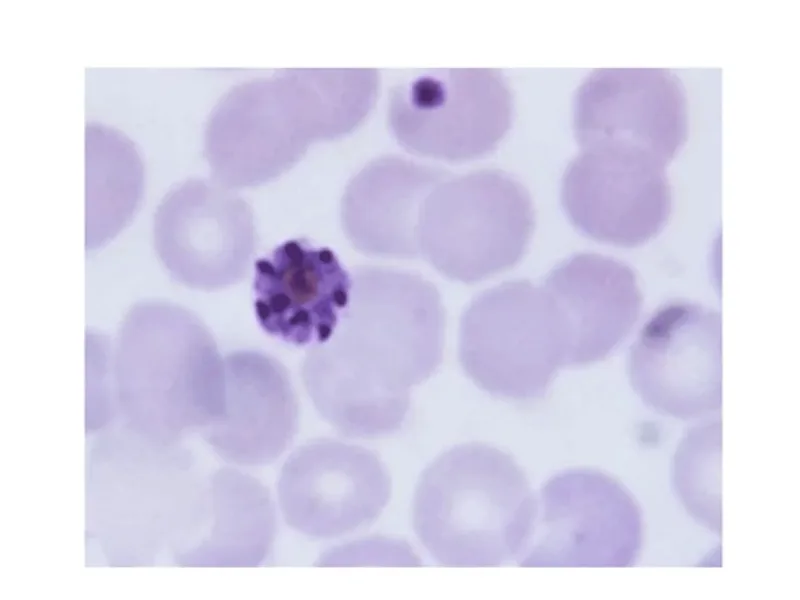
Understand the peripheral blood smear test for malaria diagnosis, its procedure, and what results mean for patients.
April 20, 2026
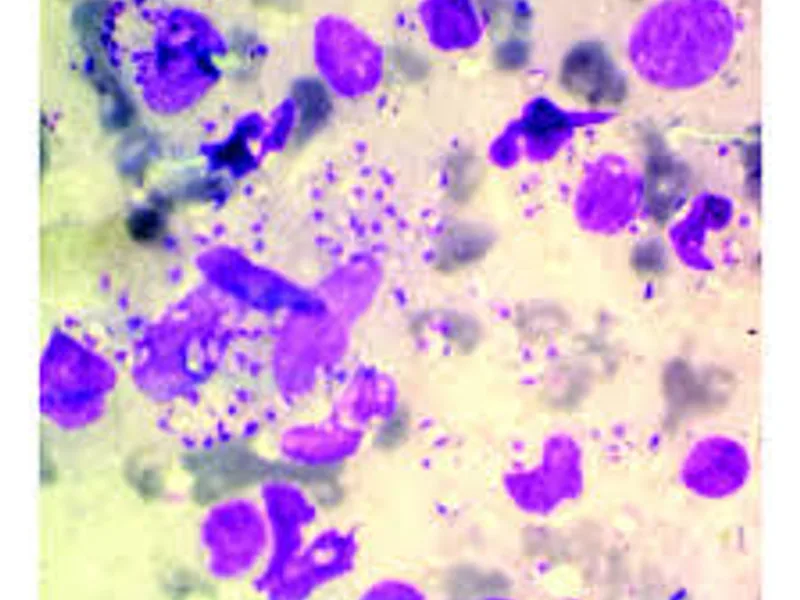
Discover how specialized staining techniques, like Giemsa, are crucial for accurately diagnosing Leishmaniasis, identifying the parasite, and guiding timely treatment. Understand this key diagnostic approach.
April 20, 2026
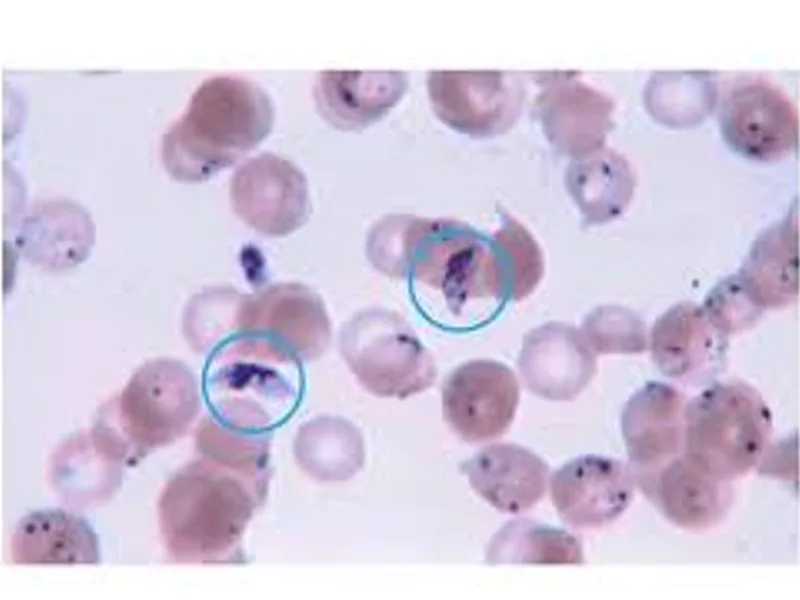
Understand the peripheral blood smear test for malaria diagnosis, its procedure, and why it's a vital tool in combating this disease.
April 20, 2026