

Free Helpline
We are here to assist you.
Health Advisor
+91-8877772277Available 7 days a week
10:00 AM – 6:00 PM to support you with urgent concerns and guide you toward the right care.

We are here to assist you.
Health Advisor
+91-8877772277Available 7 days a week
10:00 AM – 6:00 PM to support you with urgent concerns and guide you toward the right care.
Discover effective creams, lotions, and ointments to soothe shingles discomfort. Learn about ingredients like lidocaine and capsaicin, and understand when to seek medical help for this painful viral condition.

Shingles, a painful condition caused by the varicella-zoster virus (the same virus that causes chickenpox), can leave you feeling miserable. After the initial chickenpox infection, this virus can lie dormant in your nerve tissue for years, only to reactivate later in life, often as shingles. The most common and alarming symptom is a blistering rash, typically appearing on one side of your body, often forming a band or strip around your torso. While there's no outright cure for shingles, managing the symptoms is key to recovery and comfort. This is where topical treatments like creams, lotions, and ointments come into play. They offer much-needed relief from the itching, irritation, and even the lingering nerve pain that can persist long after the rash has faded.
When we talk about topical treatments, we're referring to medications applied directly to the skin. For shingles, these can be a godsend. They work by providing a localized effect, targeting the discomfort right where you feel it. But what exactly is the difference between a cream, a lotion, and an ointment? Understanding these distinctions can help you choose the best product for your needs.
Creams are generally composed of about equal parts oil and water. This balance gives them a smooth, pleasant texture that's easily spreadable and often feels moisturizing. They are thicker than lotions but less greasy than ointments, making them a popular choice for everyday relief. Many creams are designed to be absorbed into the skin, providing a soothing sensation and delivering active ingredients effectively.
Ointments are the heavyweights in the topical world. They are formulated with a high oil content, typically at least 80 percent oil, with very little water. This rich composition means ointments are designed to sit on top of your skin, forming a protective barrier. This barrier can be incredibly beneficial for shingles, as it helps to lock in moisture, prevent dryness, and create a shield against external irritants. While they can feel greasier, their staying power offers prolonged relief.
Lotions are the thinnest of the three. They are primarily water-based, containing much less oil than creams or ointments. Their lighter consistency allows them to be absorbed quickly by the skin, offering a less heavy feel. While they might not provide the same prolonged barrier as ointments, lotions can be excellent for delivering quick relief from itching and irritation, especially in milder cases or when a less greasy feel is preferred.
Several active ingredients are commonly found in topical treatments for shingles and its aftermath. These ingredients target different aspects of the discomfort:
Lidocaine is a local anesthetic that works by blocking nerve signals. For shingles, it's particularly useful for managing the nerve pain associated with the condition, especially postherpetic neuralgia (PHN). PHN is the persistent nerve pain that can linger for months or even years after the shingles rash has healed. Some studies suggest lidocaine is one of the best-tolerated treatments for PHN. It's often available in prescription-strength creams or patches. For instance, lidocaine 5% cream is a prescription option. Lidocaine patches can also be applied, with guidelines often suggesting up to three patches in a 12-hour period.
Capsaicin, derived from chili peppers, is another ingredient used for nerve pain. It works by desensitizing the pain receptors in the nerves. While it can be effective, capsaicin creams and patches are typically not recommended as a first-line treatment for PHN because they can initially cause a burning or stinging sensation. If prescribed, capsaicin 0.075% cream might be applied up to four times daily. It's a treatment that requires careful application and tolerance.
EMLA cream is a prescription medication containing a mixture of lidocaine and prilocaine. This combination offers a potent numbing effect. While research is limited, some case studies suggest EMLA cream might be a viable alternative to lidocaine cream for PHN, particularly in individuals with specific health conditions like kidney failure. However, more extensive research is needed to fully understand its effectiveness and safety profile.
Some older research has suggested that applying idoxuridine, dissolved in DMSO, might speed up the healing time of shingles lesions. However, it's important to note that in the United States, idoxuridine has a specific FDA approval only for treating a herpes simplex virus infection of the eye (keratitis). Its use for shingles is not a standard or approved treatment in many regions.
While creams, lotions, and ointments can provide significant symptomatic relief, they are not a substitute for comprehensive medical care. Shingles is a viral infection that requires prompt and appropriate treatment to minimize its severity and prevent complications. Antiviral medications are often prescribed by doctors to shorten the duration of the infection and reduce the risk of developing complications like PHN.
It is absolutely essential to consult a doctor if you suspect you have shingles. A healthcare professional can accurately diagnose the condition, assess its severity, and recommend the most effective treatment plan. This plan will likely include antiviral drugs and may also incorporate topical treatments for symptom management.
Your doctor will likely:
While most shingles cases can be managed with timely medical care, certain situations warrant immediate attention:
The best way to prevent shingles and its painful complications is through vaccination. The shingles vaccine (like Shingrix) is highly effective in preventing the disease and reducing the risk and severity of PHN. Talk to your doctor about whether the shingles vaccine is right for you. Maintaining a strong immune system through a healthy diet, regular exercise, adequate sleep, and stress management can also play a role in keeping the varicella-zoster virus dormant.
While some OTC creams and lotions can help soothe itching and irritation, they do not treat the underlying viral infection. For effective treatment and to prevent complications, it's best to consult a doctor who can prescribe antiviral medications. Some OTC products might contain ingredients like calamine or pramoxine which can offer temporary itch relief.
The acute pain of shingles typically lasts for 2 to 4 weeks, coinciding with the rash. However, for some individuals, the nerve pain can persist for months or even years after the rash has cleared. This condition is known as postherpetic neuralgia (PHN).
It depends on your specific needs. Ointments provide a thicker, more protective barrier and can be very moisturizing, which might be beneficial for very dry or irritated skin. Creams offer a balance of hydration and are less greasy. Both can be effective, and the choice may come down to personal preference and the severity of your symptoms. Always follow your doctor's recommendations.
Antibiotic ointments are for bacterial infections. Shingles is a viral infection. While it's important to keep shingles lesions clean to prevent secondary bacterial infections, antibiotic ointments are generally not the primary treatment for shingles itself. Your doctor will advise on the best approach for wound care.
There isn't one single
Overall, early action and medically verified advice remain the safest approach.
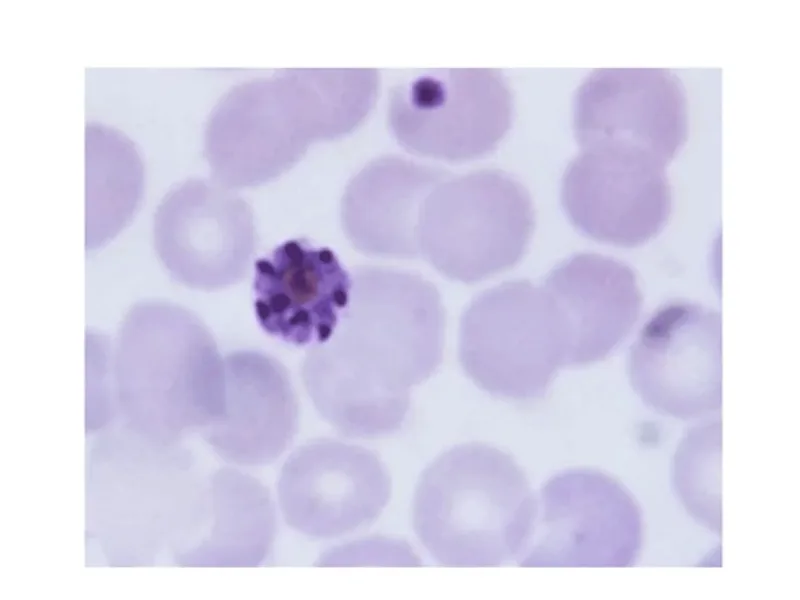
Understand the peripheral blood smear test for malaria diagnosis, its procedure, and what results mean for patients.
April 20, 2026
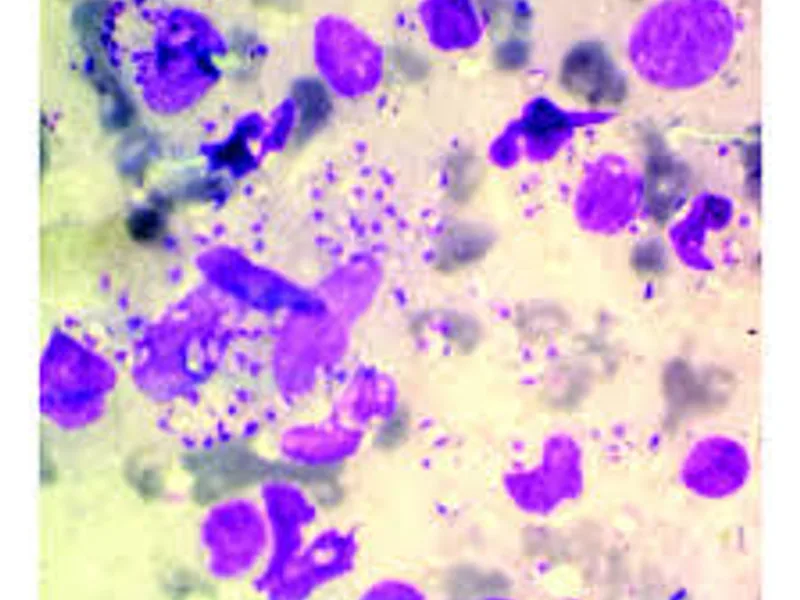
Discover how specialized staining techniques, like Giemsa, are crucial for accurately diagnosing Leishmaniasis, identifying the parasite, and guiding timely treatment. Understand this key diagnostic approach.
April 20, 2026
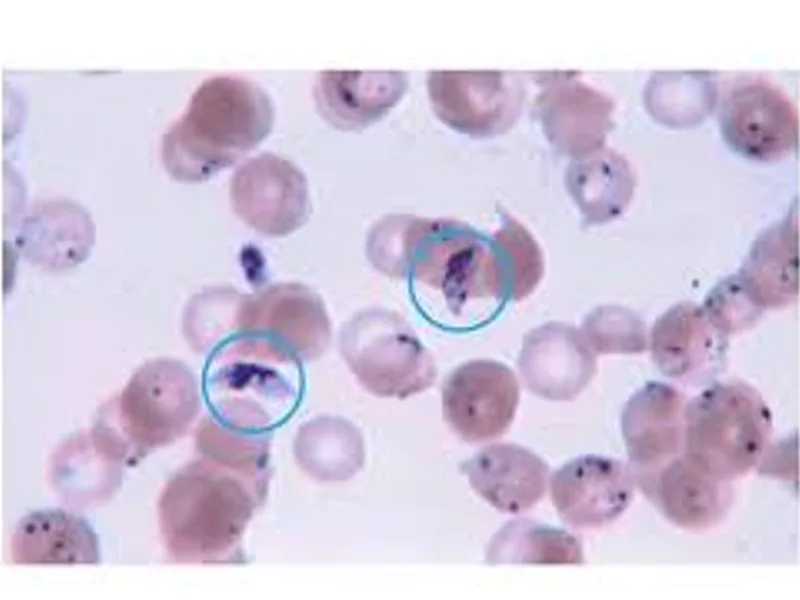
Understand the peripheral blood smear test for malaria diagnosis, its procedure, and why it's a vital tool in combating this disease.
April 20, 2026