

Free Helpline
We are here to assist you.
Health Advisor
+91-8877772277Available 7 days a week
10:00 AM – 6:00 PM to support you with urgent concerns and guide you toward the right care.

We are here to assist you.
Health Advisor
+91-8877772277Available 7 days a week
10:00 AM – 6:00 PM to support you with urgent concerns and guide you toward the right care.
Discover the causes, appearance, and implications of smoking fingertips. Learn why these yellow stains are more than just a cosmetic issue and understand the health risks associated with smoking.

Smoking can have a profound impact on your health, extending beyond the lungs to affect nearly every part of your body, including your skin. One visible sign of smoking's toll is the development of what are commonly known as "smoking fingertips." These are characterized by a yellowish-brown discoloration on the tips of the fingers, particularly those most frequently used to hold a cigarette. While often dismissed as a mere cosmetic issue, smoking fingertips can serve as an important indicator of long-term or unfiltered tobacco use, potentially signalling a higher risk for various smoking-related health problems. What Are Smoking Fingertips? Smoking fingertips, also referred to as smoker's hands or nicotine stains, are a type of skin discoloration that develops over time due to prolonged exposure to the chemicals present in tobacco smoke, often referred to as tobacco tar. The yellow-brown staining typically appears on the parts of the fingers that come into direct contact with the cigarette or cigar during smoking. This includes the tips of the fingers, and sometimes the nails as well, leading to a condition sometimes called harlequin nails. The exact reason behind this staining isn't fully understood, but it's believed to be related to the absorption of nicotine and other tar components into the skin. These chemicals can alter the natural pigmentation of the skin, leading to the characteristic yellowing. The intensity and location of the staining can vary depending on individual smoking habits, such as how the cigarette is held and the type of tobacco used (filtered vs. unfiltered). How Do Cigarettes Affect Your Hands and Fingertips? The effects of smoking on the hands and fingertips go beyond just cosmetic staining. Smoking significantly impacts blood circulation and can lead to a range of health issues affecting the hands: Vascular Changes: Smoking constricts blood vessels, reducing blood flow to the extremities. In severe cases, this can lead to serious conditions like Buerger's disease (also known as smoker's finger disease), which can cause pain, inflammation, and even necessitate finger amputation due to lack of blood supply. Delayed Wound Healing: Reduced blood flow impairs the body's ability to deliver oxygen and nutrients to injured areas, significantly slowing down the healing process for cuts, burns, or other wounds on the hands. Increased Risk of Infections: Compromised circulation and slower healing make the hands more susceptible to infections. Premature Aging: Smoking accelerates the aging process of the skin, leading to fine lines, wrinkles, age spots, and dryness, making the hands appear older than they are. Worsened Nerve Symptoms: Smoking can exacerbate nerve-related issues in the hands, such as carpal tunnel syndrome, leading to increased pain, tingling, and numbness. Impaired Bone Healing: Fractures and breaks in the hand may not heal properly in smokers, potentially resulting in persistent pain, stiffness, and loss of function. What Do Smoking Fingertips Look Like? The appearance of smoking fingertips can differ from person to person. However, it generally presents as a distinct yellow-brown stain on the tips of the fingers. The index finger and middle finger are often the most affected, especially if they are consistently used to hold the cigarette. The staining might be more concentrated between the first and second joints of these fingers, depending on the habitual grip. In some cases, the nails may also become discolored, appearing yellow or brown. Do Smoking Fingertips Impact Your Health? While smoking fingertips themselves are not a direct health concern, they serve as a visible warning sign. The presence of these stains strongly suggests regular or long-term smoking, which significantly increases the risk of numerous serious health conditions associated with tobacco use. These include various cancers, heart disease, stroke, respiratory illnesses like COPD, and many other detrimental effects on the body. It's crucial to distinguish smoking fingertips from more serious conditions like Buerger's disease. While both are linked to smoking, Buerger's disease is a severe inflammatory condition affecting blood vessels in the hands and feet, requiring immediate medical attention. Smoking fingertips are a cosmetic manifestation, but their underlying cause – smoking – is a major health risk. Causes of Smoking Fingertips The primary cause of smoking fingertips is the direct contact of the fingers with the chemicals present in tobacco smoke. The tar and nicotine in cigarettes are absorbed by the skin, leading to discoloration. Factors that can influence the development and severity of smoking fingertips include: Frequency and Duration of Smoking: The more a person smokes and the longer they have been smoking, the more pronounced the staining is likely to be. Type of Tobacco Product: Unfiltered cigarettes or cigars may contain higher concentrations of tar and staining agents compared to filtered products. Smoking Technique: How a person holds a cigarette (e.g., tightly gripping it between specific fingers) can determine the pattern and location of the staining. Diagnosis The diagnosis of smoking fingertips is usually straightforward and based on a visual examination of the fingers and a review of the patient's smoking history. A doctor can typically identify the characteristic yellow-brown staining and correlate it with the habit of smoking. In cases where there are concerns about more serious underlying conditions, such as Buerger's disease or other circulatory problems, further diagnostic tests might be recommended. These could include: Physical Examination: Assessing the circulation in the hands and feet. Blood Tests: To check for inflammation markers or other indicators of disease. Vascular Studies: Such as Doppler ultrasound, to evaluate blood flow. Treatment and Prevention The most
In summary, timely diagnosis, evidence-based treatment, and prevention-focused care improve long-term health outcomes.
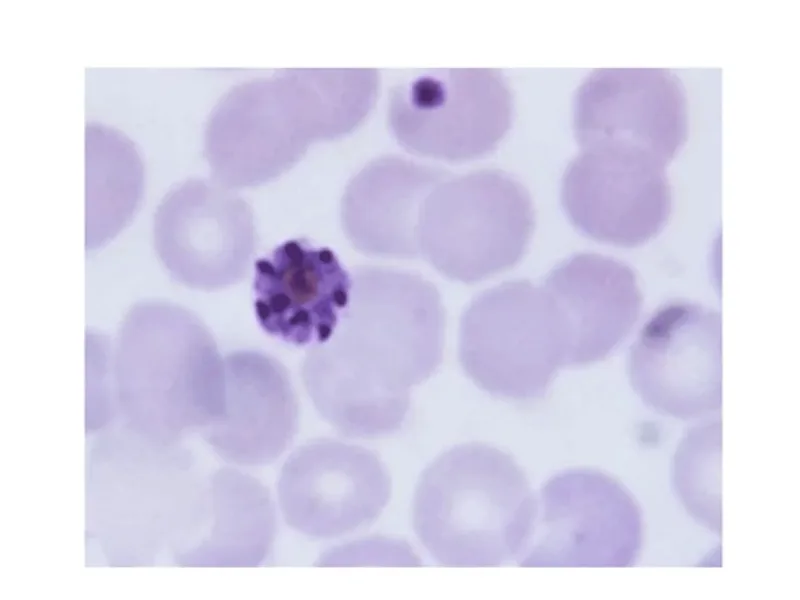
Understand the peripheral blood smear test for malaria diagnosis, its procedure, and what results mean for patients.
April 20, 2026
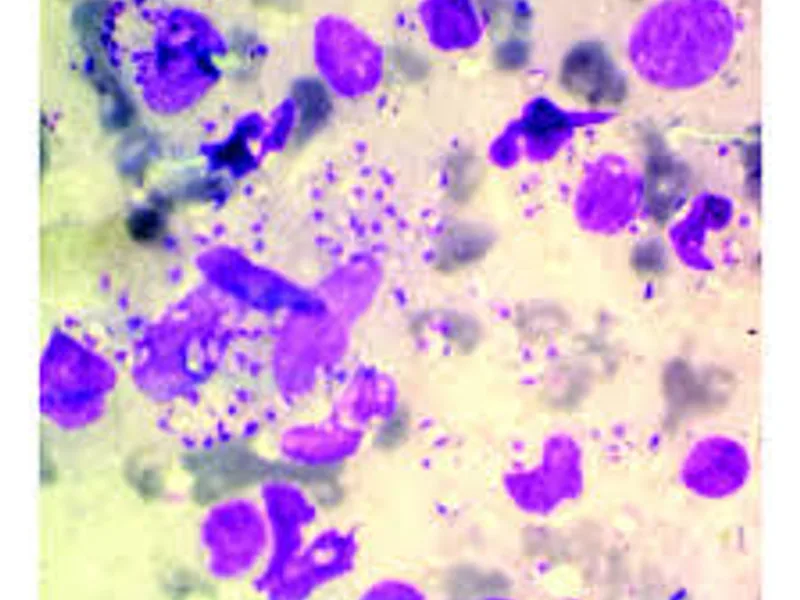
Discover how specialized staining techniques, like Giemsa, are crucial for accurately diagnosing Leishmaniasis, identifying the parasite, and guiding timely treatment. Understand this key diagnostic approach.
April 20, 2026

Understand the peripheral blood smear test for malaria diagnosis, its procedure, and why it's a vital tool in combating this disease.
April 20, 2026