

Free Helpline
We are here to assist you.
Health Advisor
+91-8877772277Available 7 days a week
10:00 AM – 6:00 PM to support you with urgent concerns and guide you toward the right care.

We are here to assist you.
Health Advisor
+91-8877772277Available 7 days a week
10:00 AM – 6:00 PM to support you with urgent concerns and guide you toward the right care.
Learn about Salmonella infections in children, including symptoms, causes, diagnosis, treatment, and prevention. Essential information for parents and caregivers.

Salmonella infections, commonly known as salmonellosis, are a frequent cause of gastrointestinal illness in children. These infections are caused by a group of bacteria that can lead to significant discomfort and, in some cases, serious health complications. According to the Centers for Disease Control and Prevention (CDC), Salmonella is responsible for approximately 1.35 million infections and 420 deaths annually in the United States alone. Children, especially those under 5 years old, are particularly vulnerable to these infections due to their developing immune systems and their natural inclination to explore their environment by touching and putting objects in their mouths. This blog post aims to provide parents and caregivers in India with comprehensive information about Salmonella infections in children, covering its causes, symptoms, diagnosis, treatment, and preventive measures.
Salmonella bacteria are primarily spread through contaminated food and water. In children, exposure can also occur through direct contact with feces of an infected person or animal, or by touching surfaces contaminated with the bacteria. Young children's immune systems are still maturing, making them less equipped to fight off infections compared to adults. This vulnerability increases their risk of contracting and experiencing severe symptoms from Salmonella.
The onset of symptoms can occur anywhere from 6 hours to 6 days after exposure to Salmonella bacteria. The primary symptom is usually diarrhea, which can range from mild to severe. Other common symptoms include:
It's important to note that some children may experience symptoms for 4 to 7 days, while others might have lingering effects for several weeks. The severity of symptoms can vary greatly depending on the child's age, overall health, and the amount of bacteria ingested.
A doctor can usually diagnose Salmonella infection based on the child's symptoms and a physical examination. To confirm the diagnosis and identify the specific strain of Salmonella, stool samples may be collected and sent to a laboratory for testing. This helps in determining the appropriate course of treatment and understanding the source of infection.
The primary goal of treatment for Salmonella infections in children is supportive care, focusing on preventing and treating dehydration. For most children, this involves:
Antibiotics: Antibiotics are generally not recommended for otherwise healthy children with Salmonella infections, as they can prolong the shedding of bacteria in the stool and may not significantly shorten the illness. However, antibiotics are typically prescribed for:
Commonly used antibiotics include azithromycin and ceftriaxone, as advised by a pediatrician.
While most Salmonella infections are self-limiting and resolve within a week, there are potential risks and complications, especially in young children:
It is essential for parents to monitor their child's symptoms closely. Contact your pediatrician immediately if your child:
In cases of severe dehydration or if the child exhibits any signs of a serious invasive infection, seek emergency medical attention immediately by going to the nearest hospital emergency room or calling emergency services.
Prevention is key to protecting children from Salmonella. Implementing good hygiene practices and safe food handling is crucial:
By understanding the causes, symptoms, and preventive measures, parents can better protect their children from Salmonella infections and ensure prompt and appropriate care when needed. Always consult with a healthcare professional for any concerns regarding your child's health.
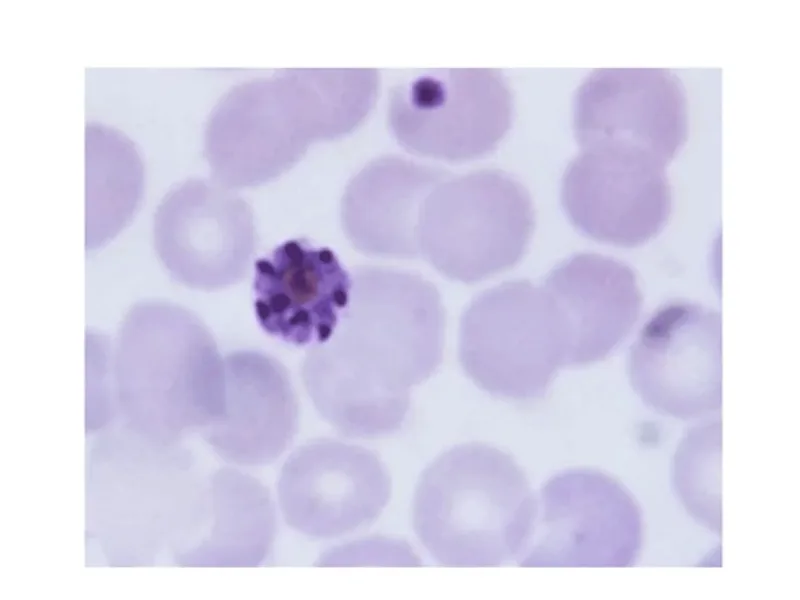
Understand the peripheral blood smear test for malaria diagnosis, its procedure, and what results mean for patients.
April 20, 2026
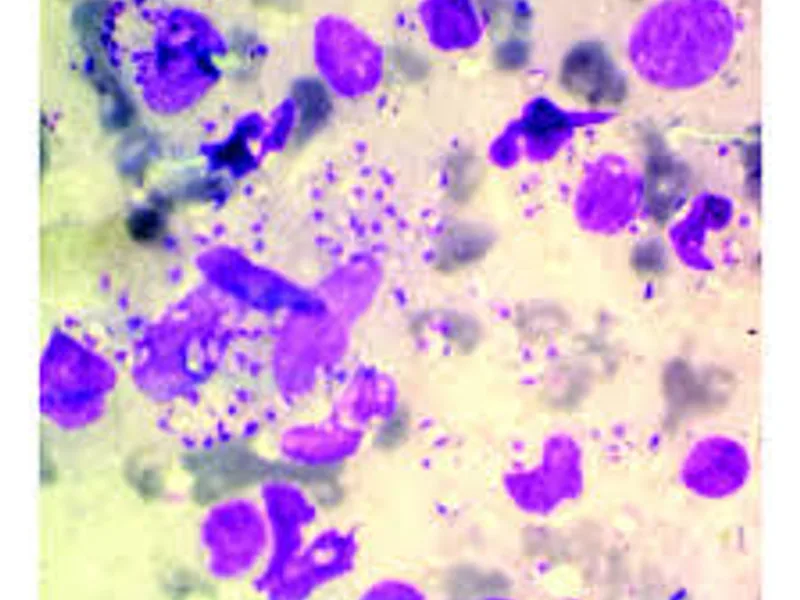
Discover how specialized staining techniques, like Giemsa, are crucial for accurately diagnosing Leishmaniasis, identifying the parasite, and guiding timely treatment. Understand this key diagnostic approach.
April 20, 2026
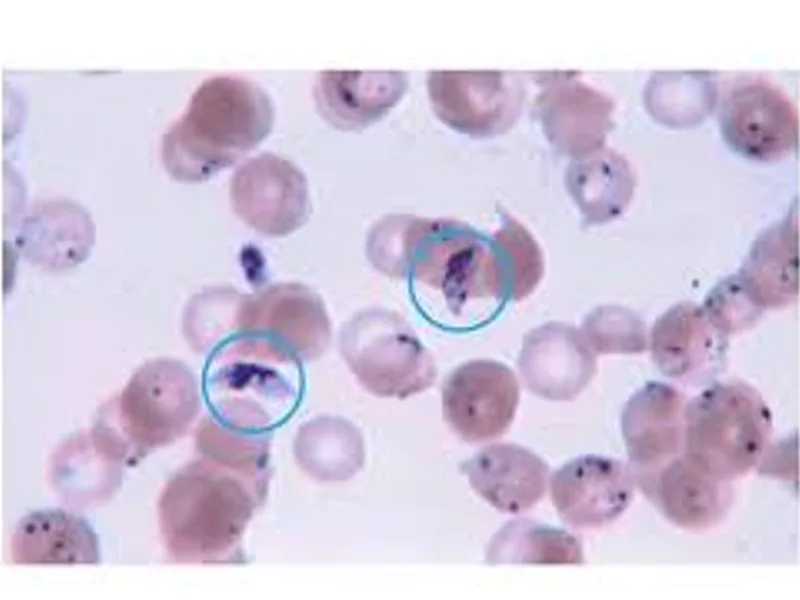
Understand the peripheral blood smear test for malaria diagnosis, its procedure, and why it's a vital tool in combating this disease.
April 20, 2026