

Free Helpline
We are here to assist you.
Health Advisor
+91-8877772277Available 7 days a week
10:00 AM – 6:00 PM to support you with urgent concerns and guide you toward the right care.

We are here to assist you.
Health Advisor
+91-8877772277Available 7 days a week
10:00 AM – 6:00 PM to support you with urgent concerns and guide you toward the right care.
Learn about pneumonia, a lung infection affecting air sacs. Discover its causes (bacteria, viruses, fungi), symptoms like cough and fever, diagnosis methods (X-ray, blood tests), treatment options (antibiotics, antivirals), and crucial prevention strategies including vaccination and hygiene. Understand when to seek medical help.

Pneumonia is a serious lung infection that can affect people of all ages, but it is particularly dangerous for infants, young children, the elderly, and individuals with weakened immune systems. In India, where respiratory infections are common, understanding pneumonia is crucial for timely prevention and treatment. This condition occurs when the air sacs in one or both lungs, called alveoli, become inflamed and fill with fluid or pus. This inflammation makes it difficult for the lungs to exchange oxygen and carbon dioxide, leading to symptoms that can range from mild to life-threatening.
Pneumonia can be caused by a variety of pathogens, including bacteria, viruses, and fungi. The most common cause of bacterial pneumonia in adults is Streptococcus pneumoniae (pneumococcus). Other bacteria like Haemophilus influenzae, Mycoplasma pneumoniae, and Chlamydia pneumoniae can also cause pneumonia. Viral pneumonia is often caused by influenza viruses, respiratory syncytial virus (RSV), and coronaviruses, including the one that causes COVID-19. Fungal pneumonia is less common but can occur in individuals with weakened immune systems or those who have inhaled large amounts of the fungus.
In India, factors like air pollution, overcrowding, poor sanitation, and limited access to healthcare can increase the risk of developing pneumonia. Certain lifestyle choices, such as smoking and excessive alcohol consumption, also weaken the lungs' defenses, making them more susceptible to infection.
The symptoms of pneumonia can vary depending on the cause, age, and overall health of the individual. Common symptoms include:
In infants and young children, symptoms might be less specific and include irritability, poor feeding, and difficulty breathing. Elderly individuals may experience confusion or a lower-than-normal body temperature instead of fever.
Diagnosing pneumonia typically involves a combination of medical history, physical examination, and diagnostic tests. A doctor will listen to your lungs with a stethoscope to check for abnormal sounds, such as crackles or wheezes. They will also ask about your symptoms, medical history, and any recent illnesses or exposures.
The treatment for pneumonia depends on its cause, severity, and the patient's overall health. The primary goals of treatment are to fight the infection, relieve symptoms, and prevent complications.
Bacterial pneumonia is typically treated with antibiotics. It is crucial to complete the entire course of antibiotics as prescribed by the doctor, even if you start feeling better, to ensure the infection is fully eradicated and to prevent antibiotic resistance.
Viral pneumonia often resolves on its own with rest, fluids, and over-the-counter medications to manage fever and pain. Antiviral medications may be prescribed in some cases, particularly for influenza or COVID-19 pneumonia, if started early in the illness.
Fungal pneumonia requires antifungal medications, which can be taken orally or intravenously.
Regardless of the cause, supportive care is essential. This includes:
In severe cases, hospitalization may be necessary for intravenous antibiotics, oxygen therapy, or mechanical ventilation (breathing support).
Preventing pneumonia involves several key strategies:
It is important to seek medical attention if you experience symptoms of pneumonia, especially if you belong to a high-risk group. Consult a doctor immediately if you have:
Early diagnosis and treatment are key to a faster recovery and preventing serious complications. In India, awareness about pneumonia and its preventive measures is vital, especially in communities with limited access to healthcare. By understanding the causes, symptoms, and preventive strategies, individuals can take proactive steps to protect themselves and their loved ones from this potentially life-threatening infection.
This section adds practical context and preventive advice to help readers make informed healthcare decisions. It is important to verify symptoms early, consult qualified doctors, and avoid self-medication for persistent health issues.
Maintaining healthy routines, following prescribed treatment plans, and attending regular checkups can improve outcomes. If symptoms worsen or red-flag signs appear, immediate medical evaluation is recommended.
Track symptoms and duration.
Follow diagnosis and treatment from a licensed practitioner.
Review medication side effects with your doctor.
Seek urgent care for severe warning signs.
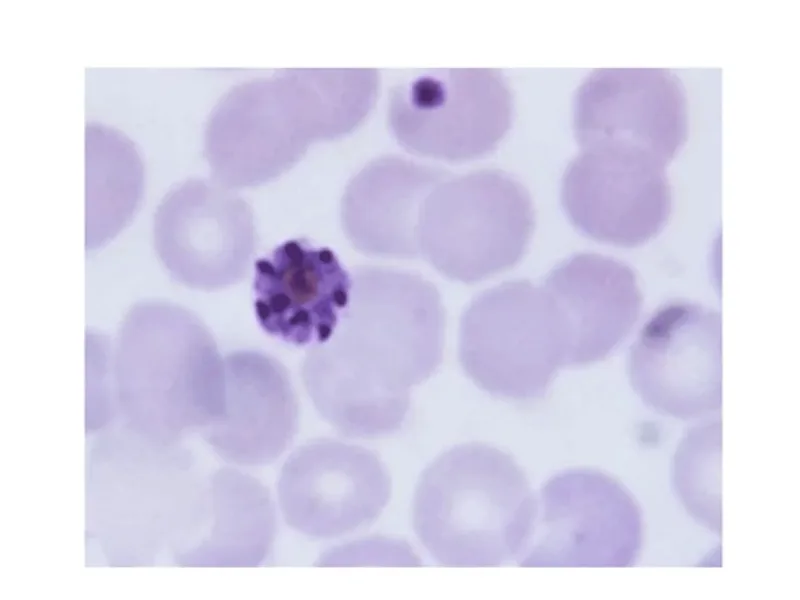
Understand the peripheral blood smear test for malaria diagnosis, its procedure, and what results mean for patients.
April 20, 2026
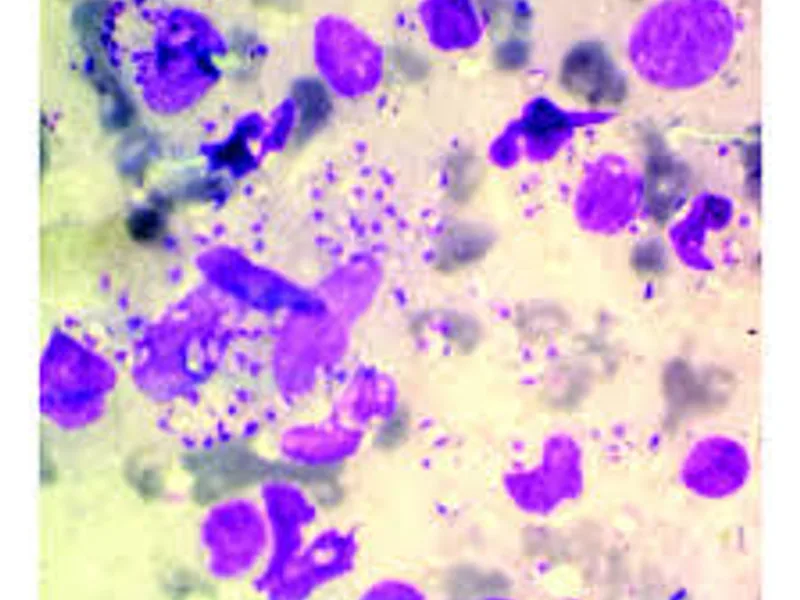
Discover how specialized staining techniques, like Giemsa, are crucial for accurately diagnosing Leishmaniasis, identifying the parasite, and guiding timely treatment. Understand this key diagnostic approach.
April 20, 2026
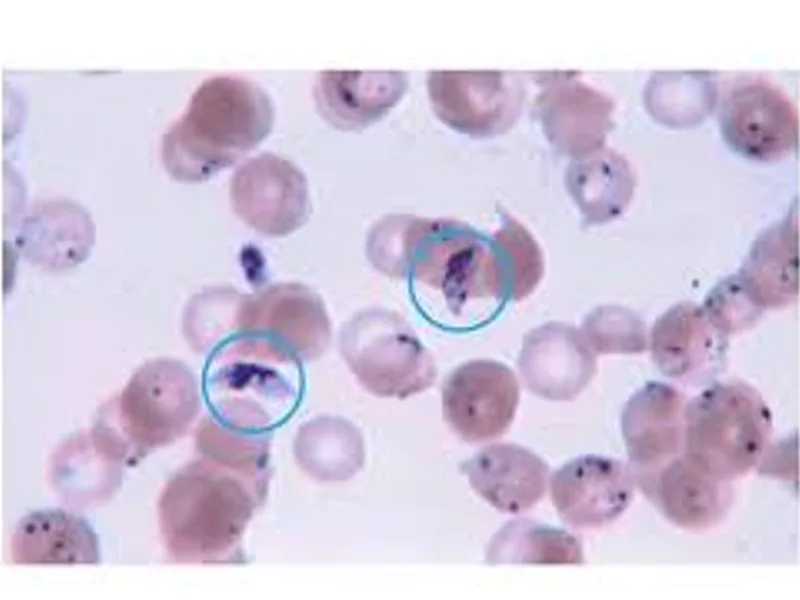
Understand the peripheral blood smear test for malaria diagnosis, its procedure, and why it's a vital tool in combating this disease.
April 20, 2026