

Free Helpline
We are here to assist you.
Health Advisor
+91-8877772277Available 7 days a week
10:00 AM – 6:00 PM to support you with urgent concerns and guide you toward the right care.

We are here to assist you.
Health Advisor
+91-8877772277Available 7 days a week
10:00 AM – 6:00 PM to support you with urgent concerns and guide you toward the right care.
Learn about Pneumocystis Pneumonia (PCP), a serious fungal lung infection affecting those with weakened immune systems. Discover its symptoms, causes, diagnosis, treatment, and prevention strategies.

Understanding Pneumocystis Pneumonia (PCP) Pneumocystis pneumonia, commonly known as PCP, is a serious lung infection caused by a fungus called Pneumocystis jirovecii . While this fungus is present in the lungs of many healthy individuals without causing any harm, it can lead to a severe and potentially life-threatening illness in people with weakened immune systems. This type of pneumonia is particularly concerning for individuals with conditions like HIV/AIDS, those undergoing chemotherapy, organ transplant recipients, and people taking immunosuppressant medications. How Common is PCP? The fungus that causes PCP can reside in the lungs of most people without triggering symptoms. The U.S. Centers for Disease Control and Prevention (CDC) estimates that up to 20% of adults may carry this fungus at any given time. In most cases, the body successfully clears the fungus within a few months without any issues. However, for individuals with compromised immune systems, contracting this fungus can result in serious infections. Before the widespread availability of effective treatments for HIV/AIDS in the 1980s, PCP was a much more common and feared complication. During the peak of the AIDS epidemic, approximately 75% of individuals with AIDS developed PCP. While the incidence has decreased significantly with advancements in medical care, PCP remains a significant concern for vulnerable populations globally, especially in regions with less developed healthcare systems. Symptoms of PCP The symptoms of PCP can be similar to those of other types of pneumonia and often develop gradually. Early recognition is crucial for effective treatment. Common symptoms include: Fever: A persistent elevated body temperature. Difficulty Breathing (Dyspnea): This can range from mild shortness of breath, especially during physical activity, to severe breathlessness even at rest. Fatigue: An overwhelming sense of tiredness and lack of energy. Dry Cough: A cough that does not produce phlegm. Chest Pain: Discomfort or pain in the chest, which may worsen with breathing. Chills: Feeling cold and shivering. Weight Loss: Unexplained decrease in body weight. Night Sweats: Excessive sweating during sleep. It is important to consult a healthcare professional if you experience any of these symptoms, particularly if they persist for more than a few days or if you have a known condition that weakens your immune system. Causes and Risk Factors PCP is caused by the fungus Pneumocystis jirovecii . The primary risk factor for developing PCP is a weakened immune system. This can be due to various reasons: HIV/AIDS: This is the most common risk factor. A low CD4 count (a measure of immune system strength) significantly increases the risk. Organ or Stem Cell Transplants: Patients who have undergone these procedures are often on immunosuppressant drugs to prevent rejection. Autoimmune Diseases: Conditions like lupus, rheumatoid arthritis, and others, especially when treated with immunosuppressive therapies. Corticosteroid Use: Long-term use of corticosteroids (like prednisone) can suppress the immune system. Chemotherapy: Cancer treatments that target rapidly dividing cells can also weaken the immune system. Other Immunosuppressive Medications: Drugs used for various medical conditions that reduce the body's ability to fight infection. Diagnosis of PCP Diagnosing PCP typically involves a combination of medical history, physical examination, and specific tests to confirm the presence of the infection and assess its severity. Common diagnostic methods include: Medical History and Physical Exam: Your doctor will ask about your symptoms, medical history, and any risk factors you may have. A physical examination may reveal abnormal lung sounds. Blood Tests: Complete Blood Count (CBC): This can help identify signs of infection, such as an elevated white blood cell count. Beta-D-glucan (BDG) Test: This blood test can detect a component of the fungal cell wall, which can be indicative of PCP. Arterial Blood Gas (ABG) Test: This test measures the oxygen and carbon dioxide levels in your blood, helping to assess the severity of lung impairment. Sputum Gram Stain and Culture: While less sensitive for PCP, these tests can help rule out bacterial infections. Bronchoalveolar Lavage (BAL): This is the most definitive diagnostic test. It involves inserting a thin, flexible tube (bronchoscope) into the lungs to collect fluid and cells from the air sacs. The sample is then examined under a microscope for the presence of Pneumocystis jirovecii . Chest X-ray or CT Scan: These imaging tests can show characteristic changes in the lungs associated with PCP, such as diffuse infiltrates, although they may appear normal in early stages. Treatment for PCP Prompt and appropriate treatment is essential for managing PCP, as it can be fatal if left untreated. The primary treatment involves antifungal medications. Co-trimoxazole (Trimethoprim-sulfamethoxazole or TMP-SMX): This is the most commonly prescribed medication for PCP. It can be taken orally or administered intravenously (IV) depending on the severity of the infection. Treatment typically lasts for about 3 weeks. Alternative Medications: For individuals who cannot tolerate co-trimoxazole due to allergies or side effects, alternative medications such as pentamidine, atovaquone, or clindamycin with primaquine may be used. Corticosteroids: In moderate to severe cases, corticosteroids may be prescribed alongside antifungal medication to help reduce lung inflammation and improve breathing. Supportive Care: This includes ensuring adequate hydration, rest, and oxygen therapy if needed to help manage breathing difficulties. Close monitoring by a healthcare team is crucial throughout the treatment period to track progress and manage any side effects. Prevention of PCP For individuals at high risk of developing PCP, preventive medication (prophylaxis) is often recommended. This is particularly important for people with HIV/AIDS, those who have had organ transplants, or those on long-term immunosuppressive
In summary, timely diagnosis, evidence-based treatment, and prevention-focused care improve long-term health outcomes.
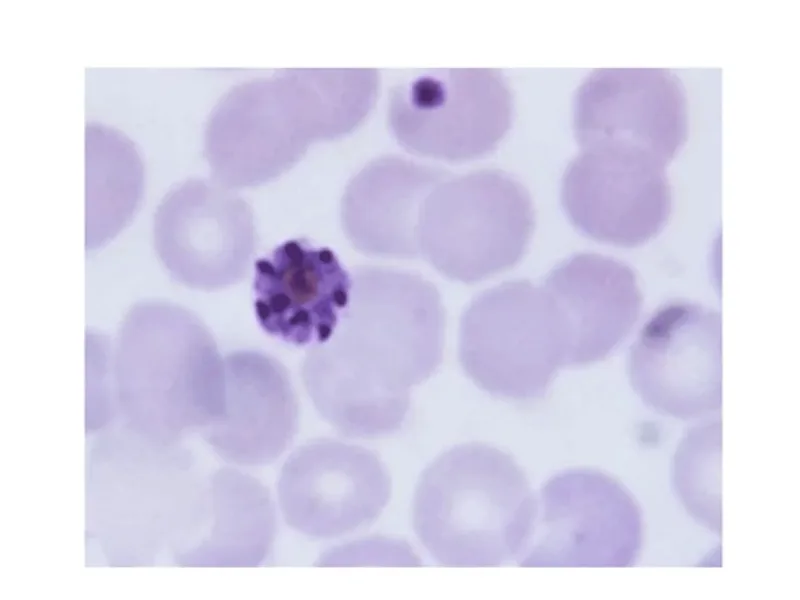
Understand the peripheral blood smear test for malaria diagnosis, its procedure, and what results mean for patients.
April 20, 2026
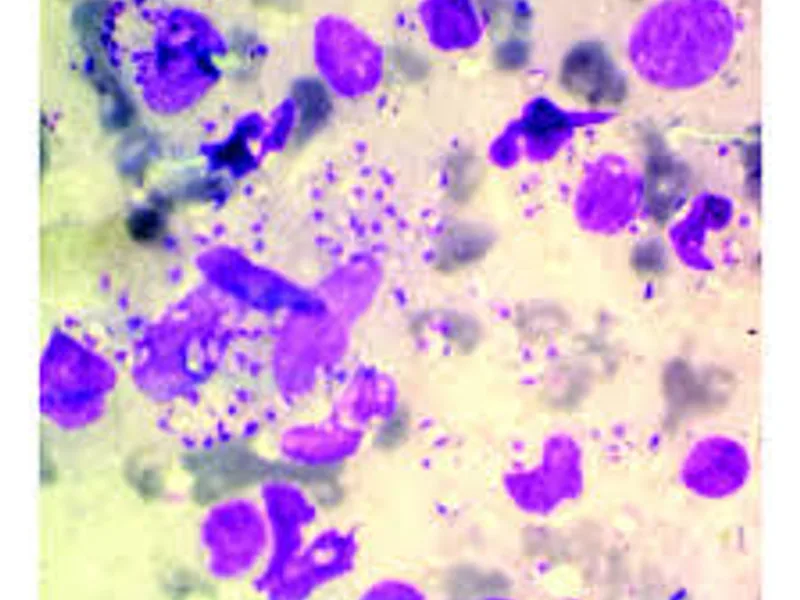
Discover how specialized staining techniques, like Giemsa, are crucial for accurately diagnosing Leishmaniasis, identifying the parasite, and guiding timely treatment. Understand this key diagnostic approach.
April 20, 2026
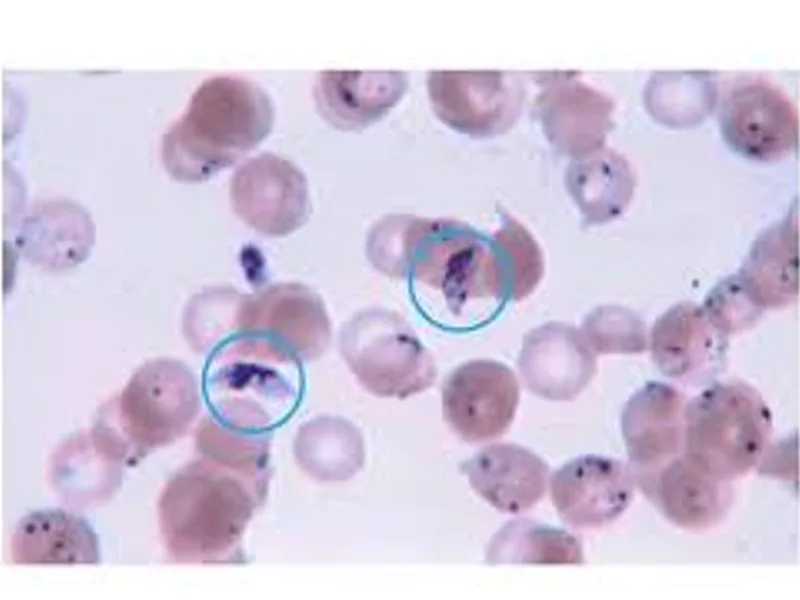
Understand the peripheral blood smear test for malaria diagnosis, its procedure, and why it's a vital tool in combating this disease.
April 20, 2026