

Free Helpline
We are here to assist you.
Health Advisor
+91-8877772277Available 7 days a week
10:00 AM – 6:00 PM to support you with urgent concerns and guide you toward the right care.

We are here to assist you.
Health Advisor
+91-8877772277Available 7 days a week
10:00 AM – 6:00 PM to support you with urgent concerns and guide you toward the right care.
Understand the key differences between pink eye (conjunctivitis) and corneal abrasion, including their symptoms, causes, diagnosis, and treatment, to protect your eye health.

Understanding Pink Eye and Corneal Abrasion: A Guide for Indian Readers Our eyes are delicate organs, and maintaining their health is paramount. Sometimes, we experience discomfort, redness, or vision changes that can be concerning. Two common conditions that can cause these symptoms are pink eye (conjunctivitis) and corneal abrasion. While they might seem similar due to overlapping symptoms, they are distinct conditions with different causes and require different treatments. This guide aims to clarify the differences between pink eye and corneal abrasion, helping you understand when to seek medical attention and how to protect your precious eyesight. What is Pink Eye (Conjunctivitis)? Pink eye, medically known as conjunctivitis, is an inflammation of the conjunctiva. The conjunctiva is a thin, transparent membrane that covers the white part of your eye and lines the inside of your eyelids. When this membrane becomes inflamed, it causes the whites of your eyes to appear pink or reddish, hence the common name. What is a Corneal Abrasion? A corneal abrasion, on the other hand, is a scratch or a minor injury to the cornea. The cornea is the clear, dome-shaped outer surface of your eye that covers the iris, pupil, and anterior chamber. It plays a crucial role in focusing light and protecting the eye from germs and debris. A corneal abrasion means this protective layer has been damaged. Similarities and Differences in Symptoms It's understandable why pink eye and corneal abrasions can sometimes be confused, as they share some common symptoms. Both can lead to: Eye Pain and Discomfort: You might feel irritation, grittiness, or pain in the affected eye. Redness: The whites of the eyes can appear red or bloodshot. Vision Changes: Blurriness or increased sensitivity to light (photophobia) can occur with both conditions. Watery Eyes: Excessive tearing is a common symptom for both. However, there are distinguishing signs that can help differentiate between the two: Key Symptoms of Pink Eye: Prominent Pinkness/Redness: The hallmark of pink eye is the distinct pink or red appearance of the whites of the eyes, often from the onset. Itchiness: Itching is a very common symptom, especially with allergic conjunctivitis. Discharge: Pink eye often produces discharge. This discharge can be watery (viral), thicker and pus-like (bacterial), or stringy (allergic). Swelling: Eyelid swelling can occur. Key Symptoms of Corneal Abrasion: Severe Pain: Pain associated with a corneal abrasion is often more intense and can feel like a foreign object is stuck in the eye. The pain may worsen over time. Foreign Body Sensation: A persistent feeling that something is in your eye. Light Sensitivity: Significant sensitivity to light is a common and often severe symptom. Redness (Secondary): While the eye can be red, this is often a result of rubbing due to discomfort rather than the primary injury itself. Vision Impairment: Blurriness can be significant, especially if the abrasion is large or in the center of the cornea. Understanding the Causes The underlying causes of pink eye and corneal abrasions are quite different: Causes of Pink Eye: Pink eye can be caused by several factors: Viral Infections: Similar to the common cold, viral conjunctivitis is highly contagious and often produces watery discharge. Bacterial Infections: Bacterial conjunctivitis is also contagious and typically results in a thicker, pus-like discharge. Allergies: Allergic conjunctivitis is triggered by allergens like pollen, dust mites, or pet dander. It's not contagious and is usually characterized by intense itching. Irritants: Exposure to smoke, chlorine in swimming pools, or certain eye drops can also cause conjunctivitis. Causes of Corneal Abrasion: Corneal abrasions are almost always the result of a direct injury to the eye: Scratches from Objects: This can include something as simple as a fingernail, a makeup brush, a contact lens, or even a stray eyelash. Foreign Bodies: Dust, sand, dirt, or small particles getting into the eye can cause scratches. Trauma: A blow to the eye or an injury during sports or work (e.g., working with sharp materials) can lead to an abrasion. Dry Eyes: Severe dry eyes can sometimes cause the eyelid to stick to the cornea, leading to a scratch upon blinking. Diagnosis: How Doctors Identify the Condition Accurate diagnosis is crucial for effective treatment. An eye care professional will typically: Diagnosing Pink Eye: A doctor can often diagnose pink eye based on your reported symptoms and a visual examination of your eyes. They will look for the characteristic redness, swelling, and any discharge. If the cause is unclear, especially to differentiate between viral and bacterial infections, they might take a sample of the discharge for laboratory testing or prescribe a broad-spectrum antibiotic to cover bacterial possibilities. Diagnosing Corneal Abrasion: For a corneal abrasion, an eye doctor will use a special instrument called a biomicroscope (or slit lamp) to examine your eye. They may apply a special dye (fluorescein stain) that highlights any scratches on the cornea, making them visible under a blue light. This examination helps determine the size and depth of the abrasion and check for any foreign material lodged in the eye. Treatment Approaches The treatment for pink eye and corneal abrasions differs significantly based on their cause and nature. Treating Pink Eye: Viral Pink Eye: There is no specific cure for viral conjunctivitis. Treatment focuses on managing symptoms with artificial tears, cool compresses, and good hygiene to prevent spreading. Symptoms usually resolve on their own within 1-3 weeks. Bacterial Pink Eye: This is treated with antibiotic eye drops or
In summary, timely diagnosis, evidence-based treatment, and prevention-focused care improve long-term health outcomes.
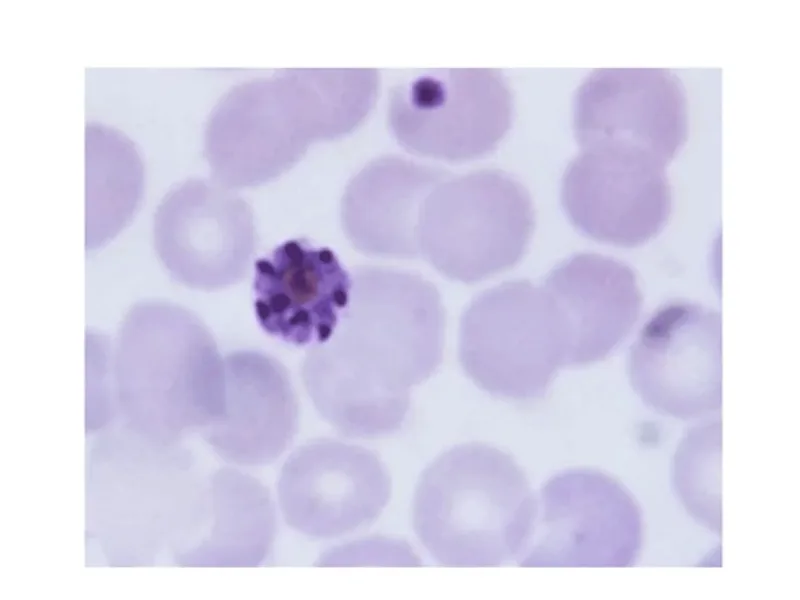
Understand the peripheral blood smear test for malaria diagnosis, its procedure, and what results mean for patients.
April 20, 2026
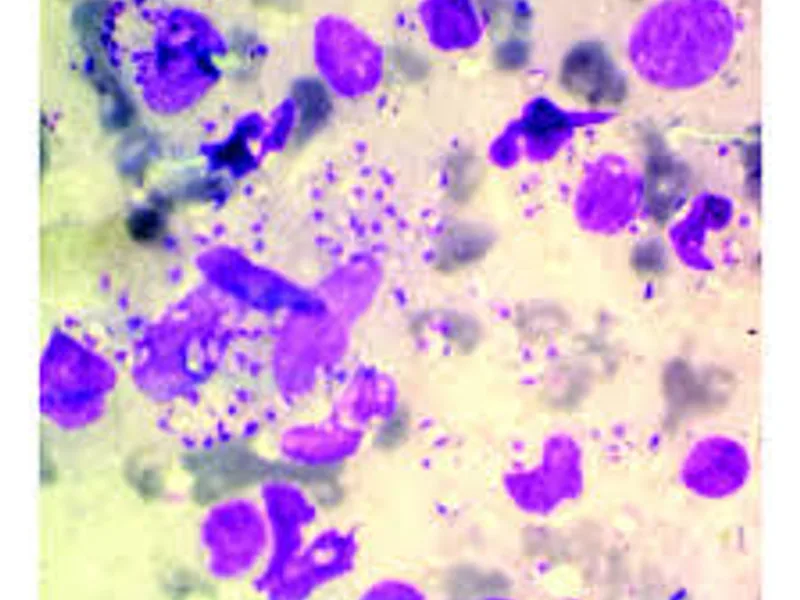
Discover how specialized staining techniques, like Giemsa, are crucial for accurately diagnosing Leishmaniasis, identifying the parasite, and guiding timely treatment. Understand this key diagnostic approach.
April 20, 2026
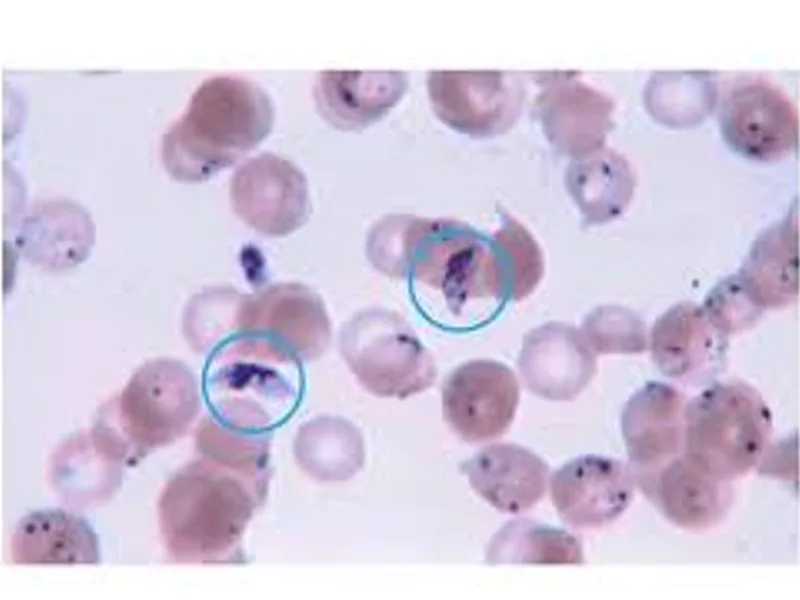
Understand the peripheral blood smear test for malaria diagnosis, its procedure, and why it's a vital tool in combating this disease.
April 20, 2026