

Free Helpline
We are here to assist you.
Health Advisor
+91-8877772277Available 7 days a week
10:00 AM – 6:00 PM to support you with urgent concerns and guide you toward the right care.

We are here to assist you.
Health Advisor
+91-8877772277Available 7 days a week
10:00 AM – 6:00 PM to support you with urgent concerns and guide you toward the right care.
Discovering blood in your urine can be alarming, especially when you can't see it with the naked eye. This condition, known as occult blood in the urine, means that red blood cells are present but are only detectable under a microscope. While the term 'occult' might sound concerning, it simply refers to something 'hidden.' In the medical world, it signifies microscopic hematuria, a finding that warrants understanding rather than immediate panic. This blog post aims to demystify occult blood in urine, exploring its causes, diagnostic methods, treatment approaches, and preventive measures, tailored for an Indian audience seeking clear and practical health information.
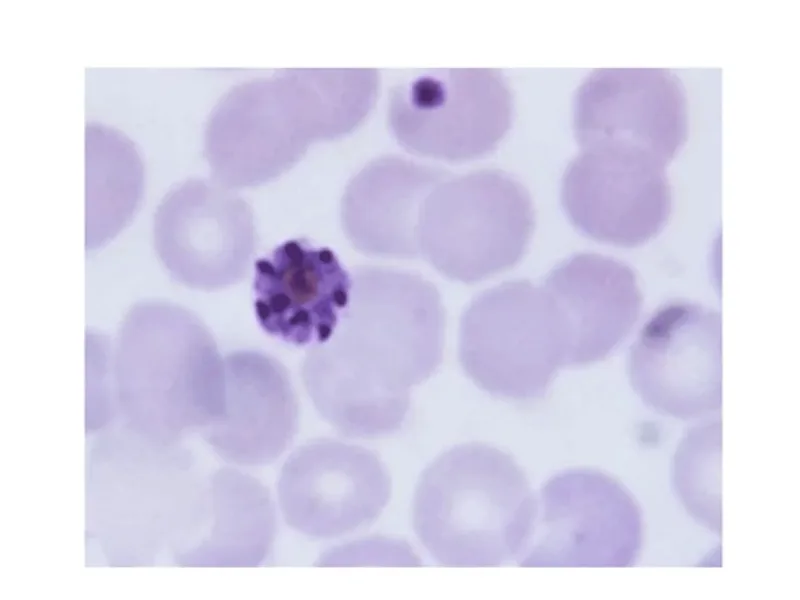
Understand the peripheral blood smear test for malaria diagnosis, its procedure, and what results mean for patients.
April 20, 2026

Discover how specialized staining techniques, like Giemsa, are crucial for accurately diagnosing Leishmaniasis, identifying the parasite, and guiding timely treatment. Understand this key diagnostic approach.
April 20, 2026


Understanding Occult Blood in Urine: What It Means and How It's Addressed Discovering blood in your urine can be alarming, especially when you can't see it with the naked eye. This condition, known as occult blood in the urine, means that red blood cells are present but are only detectable under a microscope. While the term 'occult' might sound concerning, it simply refers to something 'hidden.' In the medical world, it signifies microscopic hematuria, a finding that warrants understanding rather than immediate panic. This blog post aims to demystify occult blood in urine, exploring its causes, diagnostic methods, treatment approaches, and preventive measures, tailored for an Indian audience seeking clear and practical health information. What is Occult Blood in Urine? The medical term for blood in the urine is hematuria. When the blood is visible to the naked eye, appearing pink, red, or with blood clots, it's called gross hematuria. However, when the blood is present in such small amounts that it's invisible without magnification, it's termed occult blood or microscopic hematuria. Doctors typically categorize microscopic hematuria based on the quantity of red blood cells (RBCs) found per high-power field (hpf) under a microscope: Significant microscopic hematuria: Usually defined as 3 or more red blood cells per high-power field (≥ 3 RBC/hpf). This category often requires further investigation to determine the underlying cause. Insignificant microscopic hematuria: Typically involves 2 or fewer red blood cells per high-power field (0-2 RBC/hpf). In the absence of symptoms or other concerning factors, this may not necessitate immediate further testing. It's important to note that urine dipstick tests, a common screening tool, can sometimes yield false positive results for occult blood. A false positive means the test indicates blood is present when it's not, or the amount is insignificant. For a dipstick test to be considered a true false positive, a subsequent microscopic examination of the urine must also show no or very few red blood cells. False negative results, where blood is present but the test fails to detect it, are less common. Common Causes of Occult Blood in Urine Numerous factors can contribute to the presence of occult blood in urine. These range from relatively benign conditions to more serious health issues: Infections and Inflammation: Urinary Tract Infections (UTIs): Infections in the bladder (cystitis), kidneys (pyelonephritis), or urethra can cause inflammation and bleeding. Prostatitis: Inflammation of the prostate gland in men can lead to microscopic hematuria. Other Infections: Infections in other parts of the urinary system or surrounding organs can also be a cause. Kidney and Bladder Issues: Kidney Stones: Small stones can irritate the urinary tract lining, causing bleeding. Bladder Stones: Similar to kidney stones, these can cause irritation and hematuria. Kidney Disease: Certain kidney diseases, particularly those affecting the glomeruli (the filtering units of the kidney), can lead to blood in the urine. Examples include glomerulonephritis. Bladder Tumors or Cancers: While less common, the presence of tumors or cancerous growths in the bladder or urinary tract can cause bleeding. Other Medical Conditions: Blood Clotting Disorders: Conditions like hemophilia or other disorders affecting blood coagulation can manifest as bleeding in the urine. Enlarged Prostate (Benign Prostatic Hyperplasia - BPH): In men, an enlarged prostate can obstruct urine flow and sometimes cause bleeding. Trauma or Injury: Physical injury to the kidneys, bladder, or urinary tract can result in hematuria. Lifestyle and Other Factors: Dehydration: Severe dehydration can concentrate the urine, sometimes leading to a temporary, false positive result for blood. This is not indicative of a disease. Intense Physical Exercise: Strenuous exercise can sometimes cause temporary microscopic hematuria, often referred to as 'runner's hematuria.' Medications: Certain medications, such as blood thinners or some antibiotics, can increase the risk of bleeding. Menstrual Contamination: In women, menstrual blood can contaminate a urine sample, leading to a false positive result if not properly collected. Diagnosis of Occult Blood in Urine When occult blood is detected, your doctor will likely recommend a series of tests to pinpoint the cause. The diagnostic process may include: Urinalysis: This is the initial test. It involves examining the urine sample under a microscope to confirm the presence and quantity of red blood cells. It also checks for other abnormalities like white blood cells, bacteria, or protein. Urine Culture: If an infection is suspected, a urine culture helps identify the specific type of bacteria and the most effective antibiotic. Blood Tests: These can help assess kidney function (e.g., creatinine, BUN levels), check for signs of inflammation or infection, and evaluate for autoimmune diseases or clotting disorders. Imaging Tests: Various imaging techniques can visualize the urinary tract and surrounding organs: Ultrasound: A non-invasive test using sound waves to create images of the kidneys and bladder. Computed Tomography (CT) Scan: Provides detailed cross-sectional images of the urinary system, useful for detecting stones, tumors, or structural abnormalities. Magnetic Resonance Imaging (MRI): Uses magnetic fields to create detailed images, often used when CT scans are inconclusive or contraindicated. Cystoscopy: A procedure where a thin, flexible tube with a camera (cystoscope) is inserted into the bladder through the urethra. This allows the doctor to directly visualize the bladder lining and urethra for any abnormalities like inflammation, stones, or tumors. Kidney Biopsy: In cases of suspected kidney disease, a small sample of kidney tissue may be taken for microscopic examination to diagnose specific kidney conditions. Treatment for Occult Blood in Urine The treatment for occult blood in the
In summary, timely diagnosis, evidence-based treatment, and prevention-focused care improve long-term health outcomes.
Understand the peripheral blood smear test for malaria diagnosis, its procedure, and why it's a vital tool in combating this disease.
April 20, 2026