

Free Helpline
We are here to assist you.
Health Advisor
+91-8877772277Available 7 days a week
10:00 AM – 6:00 PM to support you with urgent concerns and guide you toward the right care.

We are here to assist you.
Health Advisor
+91-8877772277Available 7 days a week
10:00 AM – 6:00 PM to support you with urgent concerns and guide you toward the right care.
Discover natural ways to soothe shingles pain and itching with healing baths, cool compresses, soothing pastes, and dietary tips. Learn when to seek medical help.

Understanding Shingles and Its Natural Management Shingles, a painful viral infection, is caused by the varicella-zoster virus, the same virus responsible for chickenpox. After a chickenpox infection, this virus can lie dormant in your body and reactivate years later, leading to a shingles outbreak. This reactivation can manifest as a painful rash, often accompanied by blisters, that can appear anywhere on the body. In India, as in other parts of the world, shingles affects a significant portion of the population, with estimates suggesting that about 1 in 3 people may experience it at some point in their lives. The symptoms typically last for 2 to 6 weeks, but for some, the associated nerve pain can persist even after the rash has cleared, a condition known as postherpetic neuralgia. While there is no definitive cure for shingles, and medical treatment often involves antiviral medications prescribed by a doctor to shorten the duration of the illness and alleviate symptoms, several natural remedies can provide significant relief from the discomfort, itching, and pain associated with the condition. This article explores some of these natural approaches, focusing on practical and safe methods that can be incorporated into your daily routine for managing shingles in the Indian context. Symptoms of Shingles The first noticeable symptom of shingles is often pain, which can range from mild to severe. This pain may be felt in a specific area, often along a nerve pathway. Within a few days of the pain starting, a characteristic rash appears. This rash typically begins as red patches, which then develop into fluid-filled blisters. These blisters usually form a band or strip on one side of the body, following the path of a nerve. Other common symptoms can include: Fever Sensitivity to light (photophobia) Fatigue and general malaise Headache Itching of the rash It's important to note that while shingles is generally not life-threatening, the pain can be debilitating, and complications like postherpetic neuralgia can significantly impact quality of life. Natural Treatments for Shingles Symptom Relief The goal of natural treatments for shingles is to soothe the skin, reduce inflammation, alleviate itching, and manage pain. These remedies are best used in conjunction with medical advice and prescribed medications. 1. Healing Baths Taking a soothing bath can be incredibly beneficial for shingles. The lukewarm water helps to calm the skin and reduce the intense itching and discomfort. For an added therapeutic effect, you can add specific ingredients to your bathwater: Colloidal Oatmeal: Add 1 to 2 cups of colloidal oatmeal (finely ground oatmeal) to a lukewarm bath. Soak for about 15 to 20 minutes. Colloidal oatmeal has anti-inflammatory and anti-itch properties that can provide significant relief. Cornstarch or Baking Soda: Alternatively, you can add about 1 cup of cornstarch or baking soda to your bath. These ingredients can help to dry out the blisters and soothe irritated skin. Important Note: Always use lukewarm water, never hot water. Hot water can increase blood flow to the affected area, potentially worsening the rash and increasing discomfort. After bathing, gently pat your skin dry with a soft towel. Ensure you wash towels used during an outbreak separately to prevent spreading the virus. 2. Cool, Moist Compresses Applying a cool, moist compress can offer immediate relief from the burning sensation and itching associated with shingles. Soak a clean cloth in cool water. Wring out the excess water so the cloth is damp, not dripping. Gently apply the compress to the affected areas of the rash and blisters. You can repeat this process several times a day as needed. The coolness helps to numb the area and reduce inflammation and pain. Avoid applying ice packs directly to the rash, as extreme cold can sometimes increase skin sensitivity and exacerbate pain. 3. Baking Soda or Cornstarch Paste For targeted relief from itching, a paste made from baking soda or cornstarch can be very effective. Mix two parts cornstarch or baking soda with one part water to create a paste of desired consistency. Apply this paste directly to the shingles rash. Leave it on for about 10 to 15 minutes before rinsing it off gently. This can be repeated several times a day. This paste helps to dry out the blisters and reduce the urge to scratch, which is crucial to prevent scarring and secondary infections. 4. Soothing Lotions and Creams While lotions and creams don't speed up the healing of shingles itself, they can significantly improve your comfort level by soothing itchy and irritated skin. Calamine Lotion: After baths or showers, applying calamine lotion can provide a cooling and calming effect on the rash. Capsaicin Cream: Look for creams containing capsaicin, a natural compound found in chili peppers. Capsaicin has anti-inflammatory properties that can help ease nerve pain. Be aware that applying capsaicin cream may initially increase pain slightly, but this usually subsides, and it works by reducing pain signals sent to the brain. Apply these creams sparingly and gently. Important Considerations: Avoid using scented or perfumed lotions and creams, as these can cause further irritation. Do not apply heavy ointments or antibiotic ointments directly to the sores, as they can prevent the blisters from drying out, potentially prolonging the healing process. Dietary Considerations for Shingles While specific diets for shingles are not a cure, incorporating foods rich in certain nutrients can support your body's healing process and immune function. A balanced diet that includes foods rich in vitamins A,
In summary, timely diagnosis, evidence-based treatment, and prevention-focused care improve long-term health outcomes.
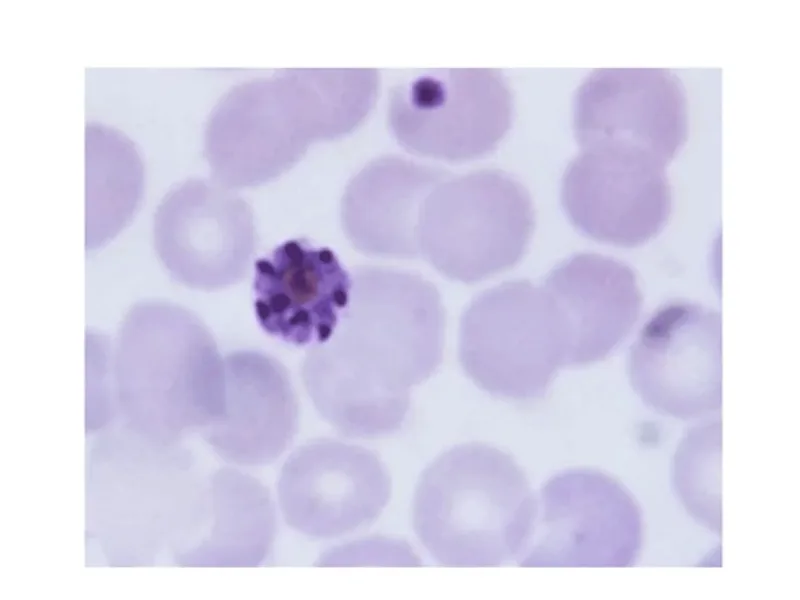
Understand the peripheral blood smear test for malaria diagnosis, its procedure, and what results mean for patients.
April 20, 2026
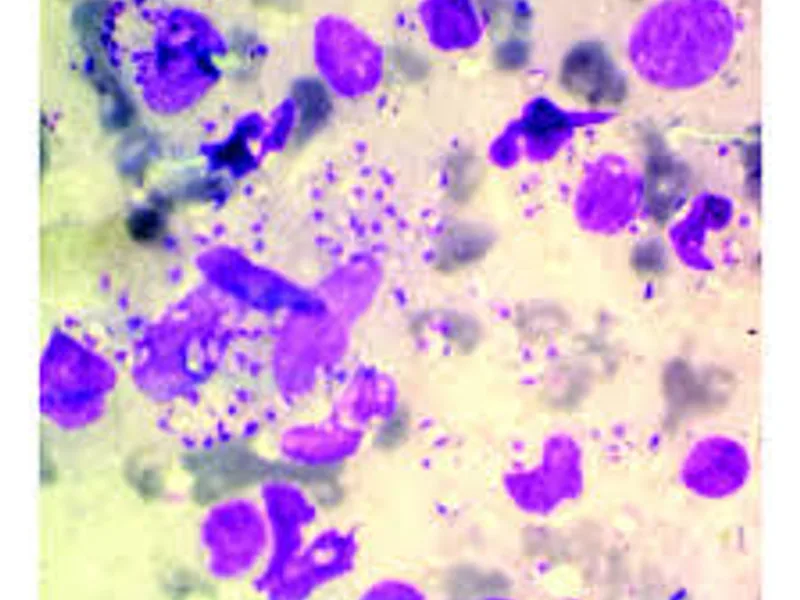
Discover how specialized staining techniques, like Giemsa, are crucial for accurately diagnosing Leishmaniasis, identifying the parasite, and guiding timely treatment. Understand this key diagnostic approach.
April 20, 2026
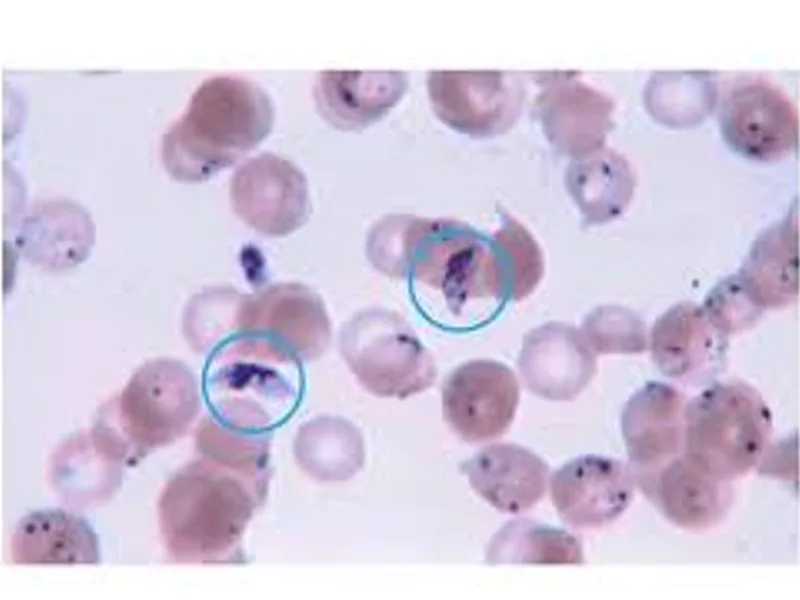
Understand the peripheral blood smear test for malaria diagnosis, its procedure, and why it's a vital tool in combating this disease.
April 20, 2026