

Free Helpline
We are here to assist you.
Health Advisor
+91-8877772277Available 7 days a week
10:00 AM – 6:00 PM to support you with urgent concerns and guide you toward the right care.

We are here to assist you.
Health Advisor
+91-8877772277Available 7 days a week
10:00 AM – 6:00 PM to support you with urgent concerns and guide you toward the right care.
Nasal flaring, or the widening of nostrils during breathing, can signal respiratory distress. Learn about its causes, symptoms, diagnosis, and when to seek medical help.

What is Nasal Flaring? Nasal flaring, medically known as alar flaring, is a visible sign that occurs when your nostrils widen outwards while you inhale. This widening is an involuntary reflex, a sign that your body is working harder to draw in more air. While it can sometimes be a temporary response to strenuous physical activity, persistent or pronounced nasal flaring, especially in infants and children, can indicate a more serious underlying issue related to breathing difficulties or respiratory distress. It's crucial to understand what nasal flaring signifies and when it warrants medical attention. Common Causes of Nasal Flaring Nasal flaring is not a condition in itself but rather a symptom. Several factors can lead to this sign, ranging from mild and temporary to severe and chronic: 1. Respiratory Infections and Conditions Pneumonia: An infection that inflames the air sacs in one or both lungs. The air sacs may fill with fluid or pus, causing difficulty breathing. Bronchiolitis: Inflammation of the small airways in the lungs, most commonly seen in infants and young children, often caused by a viral infection. Croup: A common childhood illness characterized by a barking cough, fever, and difficulty breathing. It's caused by swelling in the upper airway. Influenza (Flu): Severe cases of the flu can lead to respiratory distress, manifesting as nasal flaring. Asthma: In individuals with asthma, nasal flaring can be a sign of an acute attack, indicating that the airways are narrowing and breathing is becoming difficult. Triggers for asthma can include allergens (pollen, dust mites), respiratory infections, cold air, exercise, and stress. Epiglottitis: Although now rare due to vaccination, this is a serious condition where the epiglottis (a flap of tissue at the base of the tongue) swells, blocking the windpipe. It requires immediate medical attention. 2. Airway Blockage Any obstruction in the nasal passages, mouth, or throat can make breathing difficult, leading to nasal flaring as the body tries to compensate for reduced airflow. 3. Vigorous Exercise During intense physical activity, such as running, your body's demand for oxygen increases significantly. Nasal flaring can occur temporarily as your respiratory system works harder to meet this demand. This type of nasal flaring typically subsides shortly after the activity stops and does not require treatment. 4. Other Factors In some instances, nasal flaring might be related to other underlying health issues or even be a response to environmental irritants. Symptoms Associated with Nasal Flaring When nasal flaring is a sign of a more serious condition, it is often accompanied by other symptoms. These can include: Rapid breathing (tachypnea) Shortness of breath Wheezing or noisy breathing Coughing (barking cough in croup) Fever Chest retractions (the skin between the ribs pulling inward during inhalation) Fatigue or lethargy Sweating Cyanosis (a bluish tinge to the lips, skin, or nail beds), indicating low oxygen levels Diagnosis of Nasal Flaring Diagnosing the cause of nasal flaring involves a thorough medical evaluation. Since nasal flaring itself is a symptom, the focus is on identifying and treating the underlying condition. Your doctor will likely: Ask about your medical history and symptoms: They will inquire about the onset and duration of nasal flaring, any associated breathing difficulties, and other symptoms like fever, cough, or fatigue. Perform a physical examination: This includes listening to your lungs and breathing with a stethoscope to detect any abnormal sounds like wheezing or crackles. They will also check for other signs of respiratory distress. Order diagnostic tests: Depending on the suspected cause, your doctor may recommend tests such as: Pulse Oximetry: A non-invasive test to measure the oxygen saturation level in your blood. Arterial Blood Gas (ABG): A blood test to measure oxygen and carbon dioxide levels in your arterial blood, providing a detailed picture of your respiratory function. This is usually done in a hospital setting. Complete Blood Count (CBC): To check for signs of infection. Chest X-ray: To visualize the lungs and identify any signs of infection (like pneumonia), inflammation, or other abnormalities. Electrocardiogram (EKG): To assess heart function, especially if cardiac issues are suspected. Treatment for Nasal Flaring The treatment for nasal flaring is entirely dependent on its underlying cause. Nasal flaring itself is not treated directly; instead, the condition causing it is managed. For Respiratory Infections: Treatment may involve antibiotics (for bacterial infections), antiviral medications, rest, fluids, and fever reducers. In severe cases, hospitalization and supplemental oxygen might be necessary. For Asthma: Treatment typically includes inhaled corticosteroids to reduce airway inflammation and quick-relief inhalers (bronchodilators) to open the airways during an attack. Your doctor might also recommend an asthma action plan and education on trigger avoidance. For Airway Blockage: Depending on the cause, treatment could range from simple measures to clear nasal passages to surgical intervention for severe obstructions. For Exercise-Induced Nasal Flaring: This usually resolves on its own after exercise and requires no specific treatment. However, if it's concerning, discussing breathing techniques with a coach or doctor might be helpful. Supplemental Oxygen: If breathing issues are severe and oxygen levels are low, supplemental oxygen may be administered through a mask or nasal cannula. Nebulizer Therapy: For conditions like asthma or bronchiolitis, a nebulizer may be used to deliver liquid medication as a fine mist that can be easily inhaled deep into the lungs. When to Consult a Doctor It is essential to seek medical attention promptly if you or your child experiences nasal flaring, especially under the following circumstances: Persistent Nasal
In summary, timely diagnosis, evidence-based treatment, and prevention-focused care improve long-term health outcomes.
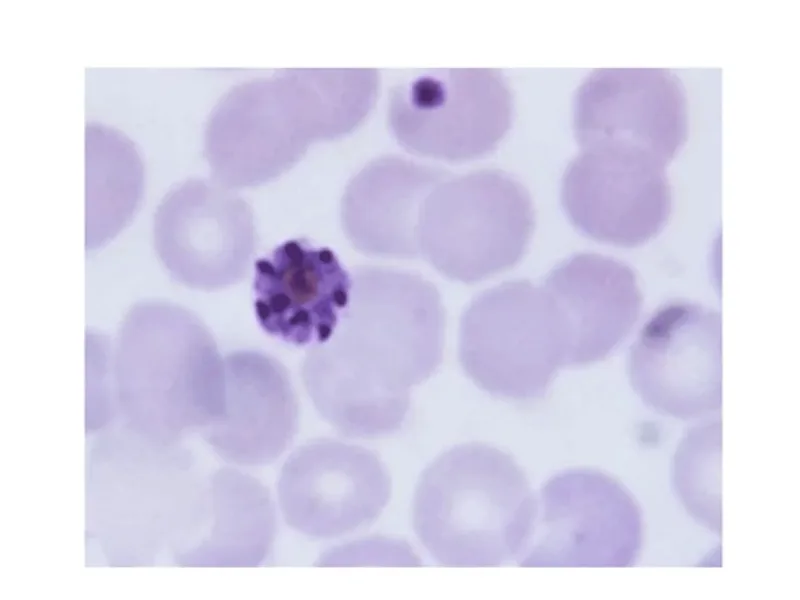
Understand the peripheral blood smear test for malaria diagnosis, its procedure, and what results mean for patients.
April 20, 2026
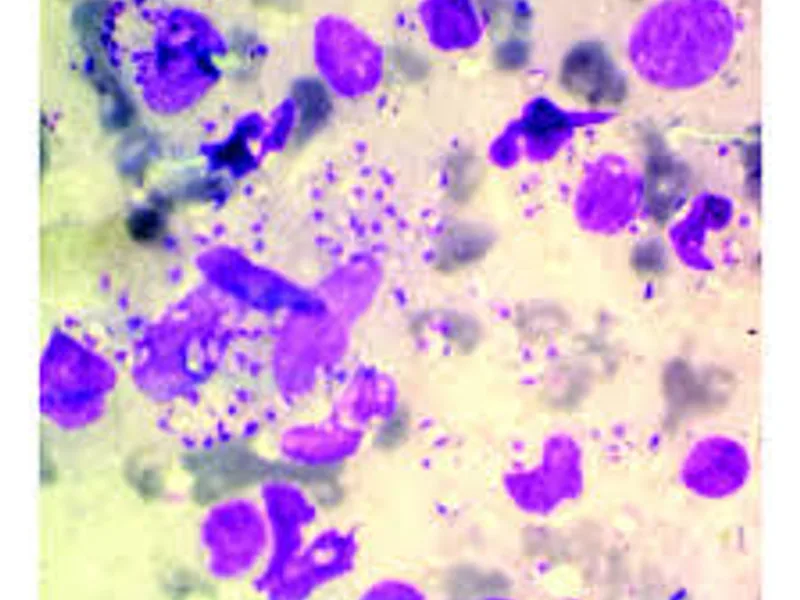
Discover how specialized staining techniques, like Giemsa, are crucial for accurately diagnosing Leishmaniasis, identifying the parasite, and guiding timely treatment. Understand this key diagnostic approach.
April 20, 2026
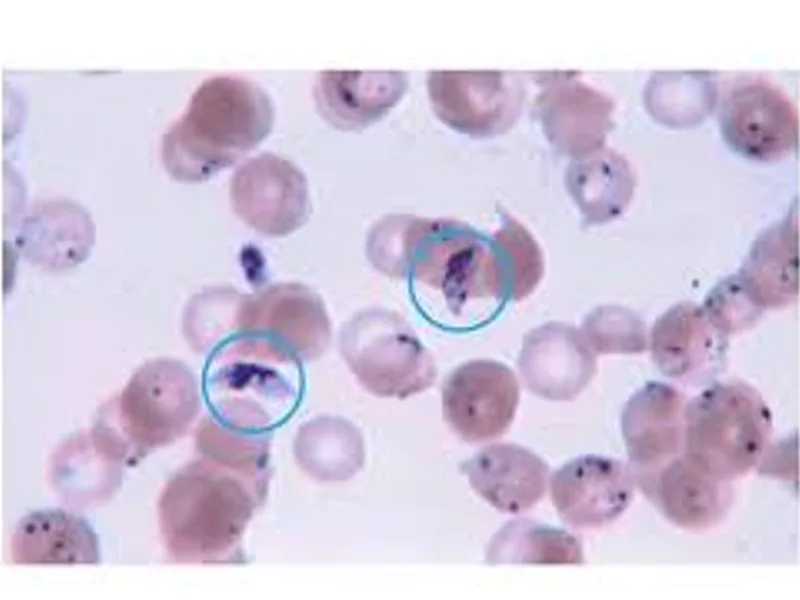
Understand the peripheral blood smear test for malaria diagnosis, its procedure, and why it's a vital tool in combating this disease.
April 20, 2026