

Free Helpline
We are here to assist you.
Health Advisor
+91-8877772277Available 7 days a week
10:00 AM – 6:00 PM to support you with urgent concerns and guide you toward the right care.

We are here to assist you.
Health Advisor
+91-8877772277Available 7 days a week
10:00 AM – 6:00 PM to support you with urgent concerns and guide you toward the right care.
Learn how to manage daily life and treatment effectively after an HIV diagnosis. Discover practical tips on diet, exercise, mental health, and maintaining healthy relationships, empowering you to live a full life.

Receiving an HIV diagnosis can bring a wave of emotions and a flood of questions. It's completely normal to wonder how this will impact your everyday life, your relationships, and your overall well-being. But here's the empowering truth: with today's medical advancements, living a full, healthy, and active life with HIV is not just possible, it's the reality for many. This guide is designed to equip you with the knowledge and confidence to navigate your journey, focusing on practical steps, open communication with your doctor, and maintaining your quality of life. Think of this as your personal roadmap, created to help you thrive, not just survive. Understanding HIV and Modern Treatment First, let's get a clear picture. HIV, or Human Immunodeficiency Virus, is a virus that attacks the body's immune system, specifically the CD4 cells (also called T cells). These cells are vital for fighting off infections. Over time, if left untreated, HIV can severely damage the immune system, leading to AIDS (Acquired Immunodeficiency Syndrome). However, this is where the narrative shifts dramatically. Antiretroviral therapy (ART) has revolutionized HIV treatment. ART involves a combination of HIV medicines that work together to control the virus. When taken consistently as prescribed, ART can reduce the amount of HIV in your blood to undetectable levels. This is a game-changer! An undetectable viral load means the virus is so low that it cannot be detected by standard lab tests, and crucially, it means you cannot transmit HIV to your sexual partners. This is often referred to as U=U: Undetectable = Untransmittable. Your Treatment Options: A Personalized Approach Deciding on the right treatment regimen is the first, most critical step. HIV medications are not one-size-fits-all. They are broadly categorized into seven classes, each working in a different way to combat the virus. Your doctor will consider several factors when recommending a regimen: Your overall health: Existing medical conditions play a significant role. Viral load and CD4 count: These are key indicators of how the virus is affecting your body. Potential drug interactions: It's vital to discuss all medications, supplements, and even herbal remedies you are taking. Lifestyle and convenience: Some regimens might involve fewer pills or less frequent dosing, which can be easier to adhere to. Your doctor will discuss these options with you, explaining the pros and cons of each. Don't hesitate to ask clarifying questions. Understanding how your medications work and why they were chosen for you empowers you to take an active role in your treatment. Adhering to Your Medication: The Key to Success This is perhaps the most important aspect of managing HIV. Taking your HIV medication exactly as prescribed is non-negotiable. Skipping doses, even occasionally, can lead to drug resistance. This means the virus can mutate and become resistant to the medications, making them less effective. This can lead to a worsening of your condition and make future treatments more challenging. Set reminders, use pillboxes, or find a routine that works for you. Consistency is your best ally. If you accidentally miss a dose, consult your doctor or pharmacist immediately for guidance on what to do. Don't try to 'catch up' by doubling up on doses, as this can be harmful. Navigating Daily Life with HIV Living with HIV today is vastly different from how it was decades ago. Modern treatments allow for a near-normal lifespan and quality of life. Let's break down some key areas: Diet and Nutrition: Fueling Your Body A balanced diet is fundamental for everyone, and it's especially important when managing HIV. While there isn't a single 'HIV diet,' focusing on nutrient-rich foods supports your immune system and overall health. Generally, a healthy diet includes: Plenty of fruits and vegetables: Rich in vitamins, minerals, and antioxidants. Aim for a variety of colours! Whole grains: Provide sustained energy and fibre. Think brown rice, whole wheat bread, oats. Lean proteins: Essential for muscle maintenance and repair. Include fish, poultry, beans, lentils, and tofu. Healthy fats: Found in avocados, nuts, seeds, and olive oil. Limit processed foods, excessive sugar, and saturated fats. If you're unsure about meal planning, your doctor can refer you to a registered dietitian who can create a personalized meal plan tailored to your needs and preferences. Some individuals with HIV may experience muscle loss, so adequate protein intake is important. Exercise and Physical Activity: Staying Strong Regular physical activity is incredibly beneficial. It helps maintain muscle mass, improves cardiovascular health, boosts mood, and can help manage side effects of medication. Aim for a mix of exercise types: Aerobic exercise: Activities like brisk walking, jogging, swimming, or cycling improve heart and lung health. Strength training (resistance training): Using weights, resistance bands, or even your body weight helps build and maintain muscle. This is particularly important if you experience muscle wasting. Flexibility and balance exercises: Yoga, Pilates, or simple stretching improve range of motion and reduce the risk of falls. Work with your doctor to develop a safe and effective exercise routine. Start slowly and gradually increase the intensity and duration. Listen to your body – rest is just as important as activity. Mental Health and Emotional Well-being An HIV diagnosis can bring emotional challenges, including stress, anxiety, or depression. It's perfectly okay to feel this way, and seeking support is a sign of strength. Your doctor can refer you to mental health professionals, such as counselors or therapists, who can provide a safe space to discuss your feelings and develop coping strategies. Support groups, both online and in-person, can connect you with others who understand your experiences. Remember, you are not alone. Relationships and Intimacy: Maintaining Healthy Connections Living with HIV does not mean the end of a fulfilling intimate life. With effective ART and an undetectable viral load, the risk of transmitting HIV to a sexual partner is virtually zero (U=U). Open and honest communication with your partner(s) is key. Discussing your status, treatment, and safe sex practices builds trust and intimacy. If your partner is HIV-negative, they might consider Pre-Exposure Prophylaxis (PrEP), a daily medication that significantly reduces the risk of contracting HIV. Your doctor can provide information and prescriptions for PrEP if it's appropriate. Regular Medical Care: Your Partnership with Your Doctor Consistent medical follow-up is essential for managing HIV effectively. It ensures your treatment is working, monitors your health, and addresses any emerging concerns. How Often Should You See Your Doctor? Typically, individuals living with HIV are recommended to see their healthcare provider every 3 to 6 months for lab tests and general check-ups. However, you might need more frequent visits, especially during the initial stages of treatment or if your health status changes. Your doctor will guide you on the best schedule for your individual needs. What to Discuss with Your Doctor Always come prepared for your appointments. Bring a list of questions and concerns. Key topics to discuss include: How is my treatment progressing? Are there any side effects I should be aware of? What are my current viral load and CD4 count? What do these numbers mean? Are there any potential interactions between my HIV medications and other drugs or supplements I'm taking? Do I need to adjust my diet or exercise routine? Are there any new symptoms or changes in my health I should report? What are the latest advancements in HIV treatment? How can I protect my sexual partners? Don't shy away from asking anything, no matter how small it may seem. Every question is important when it comes to your health. Understanding Your Lab Results Your doctor will regularly monitor your viral load (the amount of HIV in your blood) and your CD4 cell count (a measure of your immune system's strength). The goal of ART is to achieve an undetectable viral load and maintain or increase your CD4 count. Understanding these numbers helps you see the effectiveness of your treatment and how well your body is responding. Prevention and Long-Term Health Living with HIV is a long-term commitment to your health. Beyond consistent treatment and medical care, focus on overall wellness. Prevent other infections: Stay up-to-date on recommended vaccinations. Practice good hygiene, like frequent handwashing. Manage chronic conditions: If you have other health issues like diabetes or high blood pressure, manage them diligently. Avoid risky behaviours: Limit alcohol consumption and avoid recreational drug use, as these can interfere with treatment and overall health. When to Consult a Doctor Immediately While regular check-ups are vital, seek medical attention promptly if you experience: Signs of a serious infection (e.g., high fever, severe cough, persistent diarrhea, unexplained weight loss). Severe side effects from your medication (e.g., rash, difficulty breathing, jaundice). Any new, concerning symptoms that appear suddenly. If you miss multiple doses of your HIV medication. The Takeaway: HIV is a manageable chronic condition. With the right medical care, consistent treatment, a healthy lifestyle, and open communication, you can lead a long, healthy, and fulfilling life. Your journey is unique, and you have the power to navigate it with confidence and resilience. Frequently Asked Questions (FAQ) Can I
In summary, timely diagnosis, evidence-based treatment, and prevention-focused care improve long-term health outcomes.
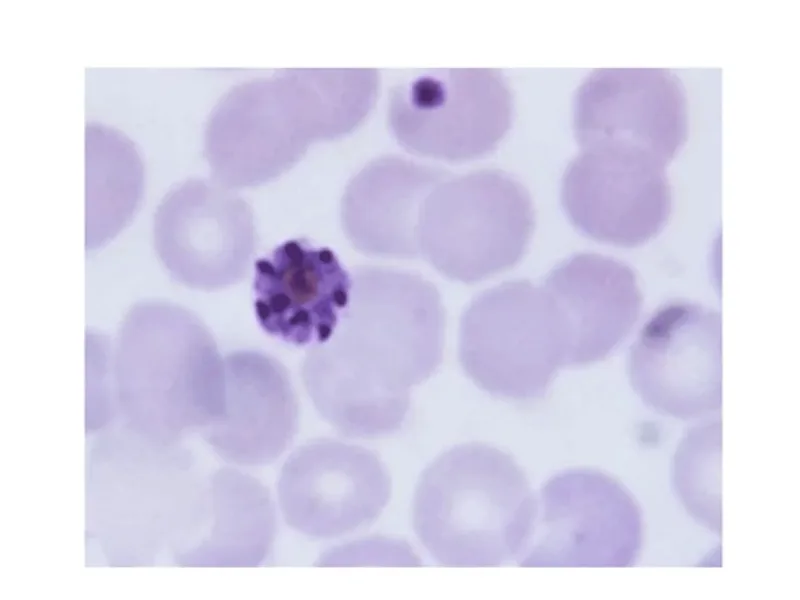
Understand the peripheral blood smear test for malaria diagnosis, its procedure, and what results mean for patients.
April 20, 2026
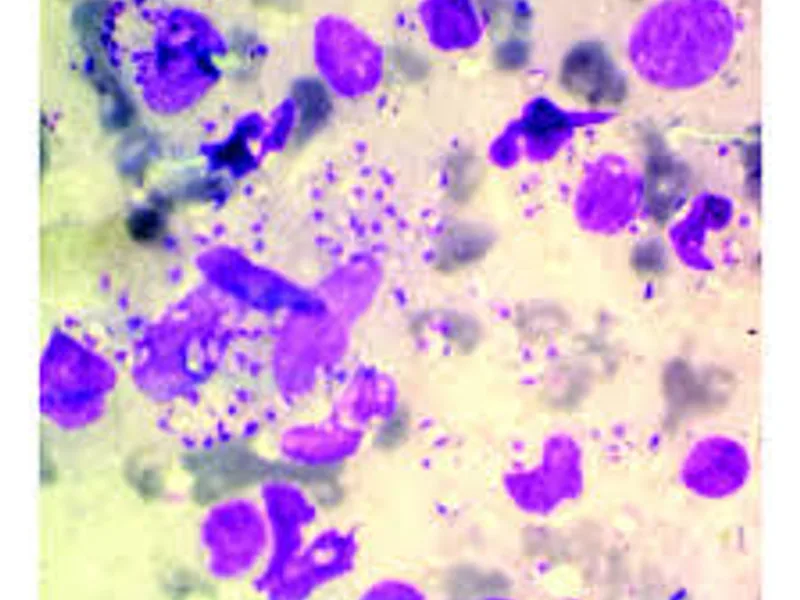
Discover how specialized staining techniques, like Giemsa, are crucial for accurately diagnosing Leishmaniasis, identifying the parasite, and guiding timely treatment. Understand this key diagnostic approach.
April 20, 2026
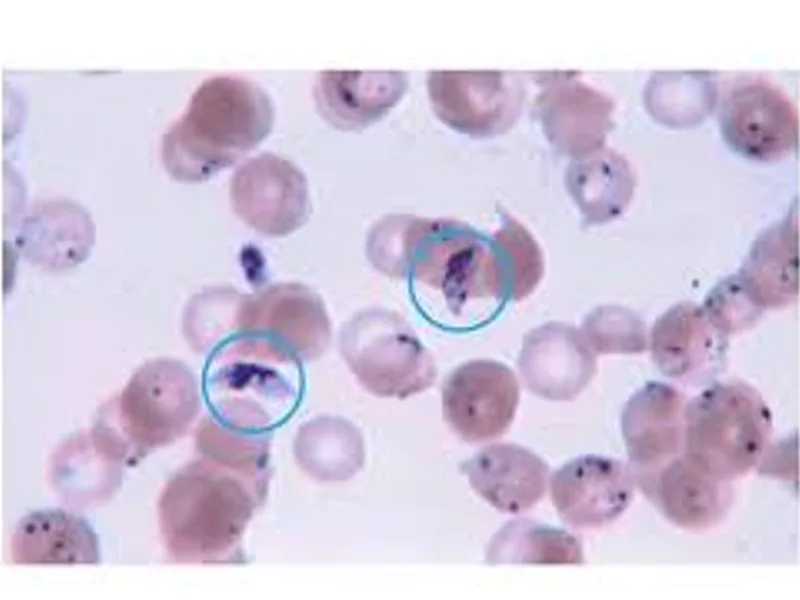
Understand the peripheral blood smear test for malaria diagnosis, its procedure, and why it's a vital tool in combating this disease.
April 20, 2026